
- News
- City News
- mumbai News
- No dearth of organs, it’s consent that is lacking
Trending
This story is from August 18, 2023
No dearth of organs, it’s consent that is lacking
At least 20 people in the country die every day waiting for organ transplants, according to Dr Santhosh Shetty, executive director and CEO of Kokilaben Dhirubhai Ambani Hospital, in Mumbai.
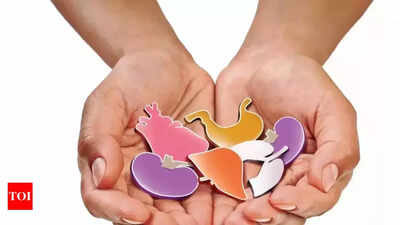
Image used for representative purpose only
Organ donation in the country needs a big boost. Even though Indian society is a giving one and all communities believe in donating, the country is in a precarious state in organ donation rates, Dr Shetty said.
Social workers said that religious and social beliefs and the lack of facilities to carry out organ donations are why National Organ and Tissue Transplant Organization data as of July 28 shows over 93% of the 36,640 organ transplants in the country between 1995 and 2021 were from living donors (34,094) and only a meagre 7% (2,546) came from cadaver donors.

The dearth of organs for transplants can be overcome if more relatives of accident fatalities give their consent, experts said.
Organ donation from living donors eludes those waiting for years as most such transplants are among close relatives. Of the 34,094 living donors, 26,565 or 77.9%, gave their organs to recipients who were their relatives.
The number of available organs and the gap in demand and supply for transplants indicates a social and medical problem, according to Dr Georgi Abraham, president of The Indian Society of Organ Transplantation.
Organs can become unfit for transplants if they are damaged due to the impact of a road accident, if their transportation is delayed and if they are improperly retrieved. While accident victims are potential organ donors, other pools need to be identified by the medical community, he added.
“Doctors in charge of trauma ICUs must be proactive about brain stem death certifi cation and push for organ transplantation. We often ignore victims of cobra bites which are a significant number in India. Such victims, who are declared brain dead, can be fit for organ donation. But, victims of a viper bite or rabies cannot become organ donors. Doctors must be constantly trained in identifying these pools. Victims of suicide by hanging are also potential do nors,” he added.
But the most prominent reason for a dearth of organs for transplants is the lack of awareness and lack of consent from the kin of the deceased.
Social workers who work as counsellors said every community promotes donation and believes in saving lives, but members rarely consent.
Founder of Mumbaibased Angadan Charitable Trust Dilip Deshmukh is a liver recipient said people do not donate organs for three reasons __some believe that if they give their organs now, they will be born without them in the next life. Some do not trust doctors as they feel that they are promoting organ donation to make money and people in rural areas feel others donate their kin’s organs to earn money, and thirdly coun selling efforts fail.
Deshmukh said this narrative needs to change. It is illegal to pay for any organ and this message has to be strongly put out, he said.
“We tell the deceased person’s family that their decision to donate the organs can change the life of 3-4 families. Approaching the family through a locally well-known and trusted person makes our job easier. For the social worker or the counsellors, the choice of words and body language are important. If the person hurries or rushes the family to decide, then the members may suspect that the counsellor has some hidden intentions,” he said.
Felicitation and honouring organ donors’ families and getting them to talk to the recipients’ families to relate to their situation can also help the cause, experts said.

About the Author
Steffy ThevarEnd of Article
FOLLOW US ON SOCIAL MEDIA



Photostories
Hot Picks
TOP TRENDING
Popular Categories
Hot on the Web
Top Trends
Ratan Tata HospitalisedIND vs BAN Live ScoreIND vs SL Live ScoreNew UPI Transaction LimitHurricane MiltonWorld First Top 10 TrillionairesStock Market TodayKerala Lottery ResultElection Results 2024Tom BradyIsrael Hezbollah WarSuryakumar YadavManagement Colleges of IndiaTop Medical Colleges of IndiaTop Engineering Colleges of IndiaTop Pharmacy Colleges of IndiaLive Cricket Score
Trending Topics
Diwali WishesBigg Boss Tamil 8 Contestants ListBhool Bhulaiyaa 3 TrailerDurga Puja WishesSanjay Leela BhansaliVettaiyan ReviewBigg Boss 18 House PhotoDevara CollectionBigg Boss 18Deepika PadukoneShailesh LodhaDevaraColdplayNational Film Awards 2024Swatantrya Veer SavarkarColdplay India tour 2025Watch NFL Live StreamDress To ImpressRatan TataWordle Answer
Living and entertainment
Latest News
CATS YouTube codes for October 9, 2024: Earn 500 CATS and know how to redeem the codesTHE World University Rankings 2025: IISc Leads India , Check the List of Top 10 Indian Institutes HereAre HDFC Bank, Axis, Kotak a value buy or value trap for investors?Triptii Dimri on emotional struggles following criticism for 'Animal’: Side effect of being in a mainstream filmDid the threat of ‘first Hindu CM’ help NC-Congress win J&K?Ranbir Kapoor's UNSEEN BTS pic from 'Shamshera' goes viralMudassar Aziz: A filmmaker needs to carefully study while pegging a film around the idea of stardomPrabhas starrer 'Kalki 2898 AD' gears up for its release in JapanWho is Aniruddhacharya Maharaj? Know more about Pookie Baba’s life journey and net worthOnly a true creative genius can spot the odd unicorn in 12 seconds!Will Allu Arjun be able to beat Prabhas in North America with Pushpa 2?OnePlus 12 is available for Rs 35,314 only on Amazon; check exchange deal and bank offersIndian man goes ‘skinny-dipping’ at an Australia's beach that isn’t even on Google Maps | Watch video"We all still love him": TNA producer and former Knockouts Champion hopes for AJ Styles’ return to the company"She's garbage": Raheem Mostert's Wife, Devon, Calls Out Kamala Harris Over Controversial Hurricane Milton RemarksAnupama's 15-year leap: Toshu's transformation and new actor Manish Nagdev joins amidst dramatic fire crisisAamir Khan takes Amitabh Bachchan back to his Kolkata days300 kg tea adulterated with coconut shell powder seized in this city
Copyright © 2024 Bennett, Coleman & Co. Ltd. All rights reserved. For reprint rights: Times Syndication Service