
- News
- City News
- mumbai News
- Maharashtra: Only 36 percent of sewage generated by cities is treated
Trending
This story is from March 10, 2022
Maharashtra: Only 36 percent of sewage generated by cities is treated
Sewage treatment is a wastewater treatment that removes contaminants from sewage to produce an effluent suitable for discharge to the surrounding environment or an intended reuse application, thereby preventing water pollution.
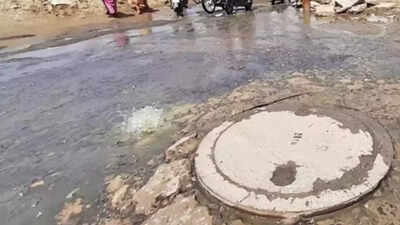
Sewage treatment is a wastewater treatment that removes contaminants from sewage to produce an effluent suitable for discharge to the surrounding environment. (Representational image)
Also only 72.5% of the solid waste is being treated daily, the survey adds, pointing out that around 60 percent small, medium and large industrial units were in the red or orange zone which meant they were yet to fully adopt the green initiatives to become environmentally sustainable.

Sewage treatment is a wastewater treatment that removes contaminants from sewage to produce an effluent suitable for discharge to the surrounding environment or an intended reuse application, thereby preventing water pollution. The solid waste consists of household solid waste, construction and demolition debris, industrial solid waste, drainage residue, and waste generated from residential and commercial complexes.
The solid waste generated in the State is being treated in 56 common treatment facilities centres provided either by Municipal Corporations or Municipal Councils and Cantonment Boards. "For the processing of solid waste 378 composting projects in 321 urban local bodies (ULBs), 89 vermicompost projects in 79 ULBs, 47 biogas projects in 30 ULBs, 19 refuse-derived fuel projects in 9 ULBs, and one Waste-to-Energy Plant with a capacity of 4MW are in operation," survey revealed.
During 2021-22 up to December, there were 1,12,750 industries under the purview of MPCB. Under the Common Effluent Treatment Plant (CETP) scheme, financial assistance has been provided to install pollution control equipment for the treatment and disposal of hazardous solid waste generated from small-scale industrial units. CETPs have been commissioned in 26 industrial areas covering 7,851 industries. However, out of nearly 1.13 lakh industries, over 67000 were under the red and orange zone. During 2020-21 average effluent quantity treated was about 1,402 lakh litres /day.
End of Article
FOLLOW US ON SOCIAL MEDIA






Hot Picks
TOP TRENDING
Trending Stories
In City
Entire Website
- Malaika Arora's father Anil Arora dies by suicide in Mumbai
- 7 Key Reasons Why UPSC is the Toughest Exam in India
- 9/11 Remembrance Day: Key moments from the deadliest attack on US
- Howard University: 10 landmark firsts of the institution that shaped Kamala Harris
- Earthquake of magnitude 5.8 strikes Pakistan, tremors felt in Delhi, neighbouring areas
- Who were Barack Obama's challengers in 2008 and 2012 US presidential elections?
- 'A in INDIA alliance': Rahul Gandhi's slip-up during address to Indian-Americans goes viral
- Trump vs Harris: Betting markets reveal who’s expected to win the US presidential debate
- IGNOU December 2024 Term-End Exam: Registration Details, Important Dates, and Fee Structure
- Top 10 TED Talks to Boost Confidence and Success for Female Students
- Harris emerges unscathed from debate, dancing around her flip-flops
- After Kolkata docs set new demands, Mamata govt says 'not ready to accept'
- Why is creamy layer argument in SC/ST quotas so controversial?
- 'They would be in jail if ...': Kharge's attack draws BJP's 'Emergency' retort
- The Multan Mystery: When Dravid left Tendulkar stranded at 194*
- Ayushman Bharat scheme to be expanded to cover elderly above 70
- Is this India’s chance to replace Bangladesh as world’s clothing factory?
- Apple iPhone 16 vs iPhone 15: Which iPhone to buy and why
- Watch: PM Modi participates in Ganpati Puja at CJI's house
- Top 10 things you need to know about Harris vs Trump debate

Popular Categories
Hot on the Web
Top Trends
Trending Topics
Deepika PadukoneMalaika Arora Father DeathArbaaz KhanJayram RaviAishwarya Rai BachchanSlat WaterWeight GainGOAT CollectionVikas Sethi DeathMalayalam ProducersIndia's Best Dancer 4Simi GarewalDilli BabuIndian National ParksLaung BenefitsVikas SethiiPhone 16Dubai Princess Sheikha MahraMG Windsor EvWordle Answer
Living and entertainment
Latest News
Manju Warrier expresses gratitude for birthday wishes: "Forever humbled and grateful"Jiiva and wife escape with minor injuries after a road accidentThe Zodiac Signs Most Naturally Inclined to HealingWhy Banyan trees survive for centuries and spread indefinitely?Telangana government pushes for increased flood relief from CentreShilpa Shetty and Raj Kundra spotted at the Siddhivinayak Temple; video insideNBA 2K25 locker codes September 2024: Locker codes revealed and know how to reveal themDonald Trump and Kamala Harris shake hands as they meet for first time on debate stage: Watch the 'awkward' momentBRS pushes for disqualification of turncoat MLAs after High Court rulingKamala may have won debate. But election is still too close to callPrince William’s commitment to a lasting marriage with KateVarun Dhawan shares unfiltered reaction to Janhvi Kapoor's 'Daavudi' song from 'Devara: Part 1': 'So freaking good...''On basis of fairness and equality': Bangladesh seeks good relations with India, says YunusMpox kills two, six other confirmed cases in Cameroon: GovernmentJr NTR starrer 'Devara: Part 1' completes censorship formalities; receives UA certificateJalen Ramsey demands action against Miami Police following Tyreek Hill's pulled from car49ers RB Christian McCaffrey misses win over JetsWWE Superstar Blames the Company for Failing to Utilize Omos’ Potential
Copyright © 2024 Bennett, Coleman & Co. Ltd. All rights reserved. For reprint rights: Times Syndication Service