
- News
- City News
- mumbai News
- Bombay high court quashes FIR against activist who campaigned to save Aarey trees
Trending
This story is from April 7, 2023
Bombay high court quashes FIR against activist who campaigned to save Aarey trees
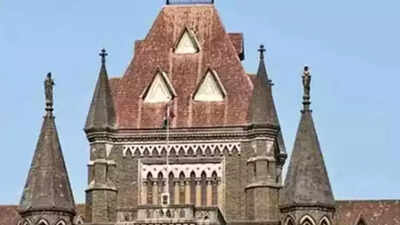
Backing the democratic right of citizens to protest, the Bombay high court has quashed a 2018 FIR against the director of an online campaign organiser who was booked for messages sent to the then Mumbai Metro Rail Corporation managing director Ashwini Bhide to save Aarey trees.
“These messages do not contain any offensive material or any obscenities. Rather, they appear to have been sent in assertion of a democratic right of a citizen of this country to put forth his view point, to object, to protest, to persuade, to urge, and so on.

Bangalore resident Avijit Michael (then 34) of Jhatkaa.org moved HC to quash the January 18, 2018 FIR lodged by Bandra-Kurla Complex police station on a complaint by Sanjay Dani (then 67).
He was booked under IPC section 186 (obstructing public servant in discharge of public functions) and sections 43 F (blocking access to computer/network) and 66 (computer related offences) of Information Technology Act.
In December 2017, Aarey Conservation Group started a campaign on the Jhatkaa’s website to save Aarey from being destroyed by the Metro 3 car-shed.
The FIR alleged that misleading messages were circulated on social media to raise voice and ask Bhide and then CM Devendra Fadnavis to look for alternatives.
Bhide received messages on her mobile phone and it became difficult for her to perform her official functions.
On May 7, 2018 Avijit was arrested and released on bail.
On November 18, 2019 HC restrained the police from filing chargesheet.
Agreeing with senior advocate Gayatri Singh and advocate Vijay Hiremath, for Michael, the judges said the allegations prima facie do not constitute offences under section 186 or sections 43F and 66.
They explained that to constitute an offence under section 186 the obstruction must have “direct connection” with the discharge of an official’s public functions.
Also, “it is for that public servant to come forward and allege the obstruction.”
The judges said the allegation is messages were received on Bhide’s official phone and when she blocked the number she received messages from a different mobile number.
“This is how, in the opinion of the complainant (Dani) Smt. Ashwini Bhide was obstructed in discharge of her public functions. But, Smt. Ashwini Bhide does not herself come forward and make any such allegations," they noted, adding that Dani did not say he received a complaint directly from Bhide.
The judges said no efforts were made by the investigating officer to find out Dani’s source of information and “it is still not known whether information available was sufficient to disclose commission of cognisable offence so necessary for registration of FIR’’ in accordance with Criminal Procedure Code.
They found that the alleged offending messages do not show that the sender intended to obstruct Bhide or had knowledge it would obstruct Bhide from discharging her public functions.
“These messages show at their face-value that the sender of the messages was the person who had intention to make efforts for preservation of the trees in the larger interest of society,” they said. They added that the sender had stated that “Aarey Forest was a green lung for the city of Mumbai just as Cubbon Park is for the city of Bangalore” and, therefore, pleaded with Bhide to look for alternatives so that nearly 3500 trees can be saved.
Re-producing four messages in the order, the judges said it is clear that Michael had acted in a bona fide manner on the basis of what he believed to be an act necessary for maintaining the health of Mumbai.
“His intention appears to be to protect the forest he considers to be acting like a pair of lungs for the city of Mumbai," they added.
The judges said "upon such a complaint, as the one involved here, police must never book any ordinary citizen of the country under criminal law and if it does, it would be like suppressing his voice against what he considers to be a wrongful thing. They quashed the FIR with a “necessary caution” to the IO “to be careful in registering crimes in such matters in future."

About the Author
Rosy SequeiraEnd of Article
FOLLOW US ON SOCIAL MEDIA










Hot Picks
TOP TRENDING
Trending Stories
In City
Entire Website
- GK for students: Top 8 Largest Mammals in the World
- Arvind Kejriwal Resignation Live Updates: 'Kejriwal will be back', says Atishi after staking claim; BJP questions CM-designate's 'background'
- India vs China Highlights, Asian Champions Trophy 2024 Final: Jugraj Singh stars as India beat China 1-0 to clinch record fifth title
- Kolkata Murder Supreme Court Hearing Live Updates: Court extends ex-RG Kar principal Ghosh, cop's custody by 3 days
- Maharashtra schools closed on Sep 18: Here’s why
- Communal tension hits Karnataka towns over Palestinian flags at rallies
- 'If any shame left ... ': AAP slams Swati Maliwal's remark on Atishi, says she should seek RS ticket from BJP
- Work on bridges gains pace to ease Ghodbunder jams
- NMDC Steel Plant Seeks 100 Officers of Vizag Steel Plant
- UGC NET Result 2024 Live Updates: NTA expected to announced final answer key, scorecards shortly
- 9 killed, over 2,700 hurt after 1000s of pagers explode across Lebanon; Hezbollah blames Israel
- ‘Kheer brought back …’: PM gets emotional remembering mother on b'day
- ‘Oxford returnee’ to Delhi CM: The rise and rise of Atishi
- J&K returns to polling booth after a decade; Phase 1 of voting tomorrow
- Was Israel behind pagers exploding across Lebanon?
- What are pagers? Devices that led to a wave of blasts in Lebanon
- Cow vigilantes killing a Brahmin is the wake-up call India needed
- Intel CEO announces major restructuring, tells employees: 'We need to fight for …'
- Polls show Harris edging ahead of Trump with 61% chances of winning
- Sri Lanka presidential polls: What's at stake for India

Popular Categories
Hot on the Web
Top Trends
Dominique PelicotUS Fed Rate CutIndia vs China Champions TrophyUPI Transaction LimitWhere to Watch India vs China Final Hockey MatchUPS vs NPS CalculatorKolkata Commissioner Manoj VermaNEET UG Admission CriteriaAtishiKolkata Doctor Rape CaseArvind Kejriwal Resignation LiveAli Khamenei TweetSuryakumar YadavVince McMahonTech LayoffsDonald TrumpLive Cricket Score
Trending Topics
Munawar FaruquiLuxury BrandCancer CauseKhatron Ke Khiladi 14Chinas EggAtishi Marlena Singh QualificationSunita AhujaGoat CollectionSalman Khan FarmhousePitra Paksha 2024CheetahsKangana RanautAditi Rao HydariDalljiet KaurHoliday DestinationVikas SethiReliance Jio DownApple iPhone 16 ProVirat KohliWordle Answer
Living and entertainment
Latest News
Lava Blaze 3 5G with 50MP camera, MediaTek chipset launched in India4 types of tea to improve gut health and ease digestive issuesAdam Zampa acknowledges slim Ashes hopes as milestone 100th ODI nearsDecoding how log analytics systems are enabling brands to derive maximum value from dataKitchen Tips: How to elevate home cooking to Michelin levelAnother Mpox suspected case in India: Man showing symptoms admitted to hospitalSelena Gomez recreates practiced applause she learnt from TV show Friends after losing at Emmys 2024Former WWE superstar is no longer listed on their internal rostersBeyond Paychecks: Job satisfaction, work-life balance more important than salary for Gen Z workforce‘You is sleep or you can sleep’: Students prank Benglauru’s ‘pookie professor’ in viral videoHow ‘Oxford returnee’ Atishi became chief minister of DelhiThese are the most toxic fresh produce of 2024"They haven't done a good job”- Wrestling veteran highlights a significant problem with The BloodlinePolice detain Rajasthan govt school principal for passing lewd comments on girlWas Aamir Khan actually drunk during 'Tere Ishq Mein Naachenge' song in Raja Hindustani? Archana Puran Singh REVEALSIndia vs Bangladesh: Bangladesh get down to practice in Chennai ahead of first Test against IndiaNagarani Steel Plant wishes to induct 100 VSP officers on deputation in the first phaseGovernment removes windfall tax on crude petroleum
Copyright © 2024 Bennett, Coleman & Co. Ltd. All rights reserved. For reprint rights: Times Syndication Service