
- News
- City News
- mumbai News
- BMC plans 110-acre extension of Byculla zoo in Aarey Colony
Trending
This story is from August 21, 2014
BMC plans 110-acre extension of Byculla zoo in Aarey Colony
Meant For Big Animals Like The Giraffe, It Will Also Have Safari Park

The BMC recently sent a proposal to the state government, seeking the land, which is at present in possession of the forest department.

“We had a meeting with government officials for transferring the land to us. Big animals like the giraffe will be kept there. The process will take a couple of months to complete,” said additional municipal commissioner (gardens and zoo) SVR Srinivas.
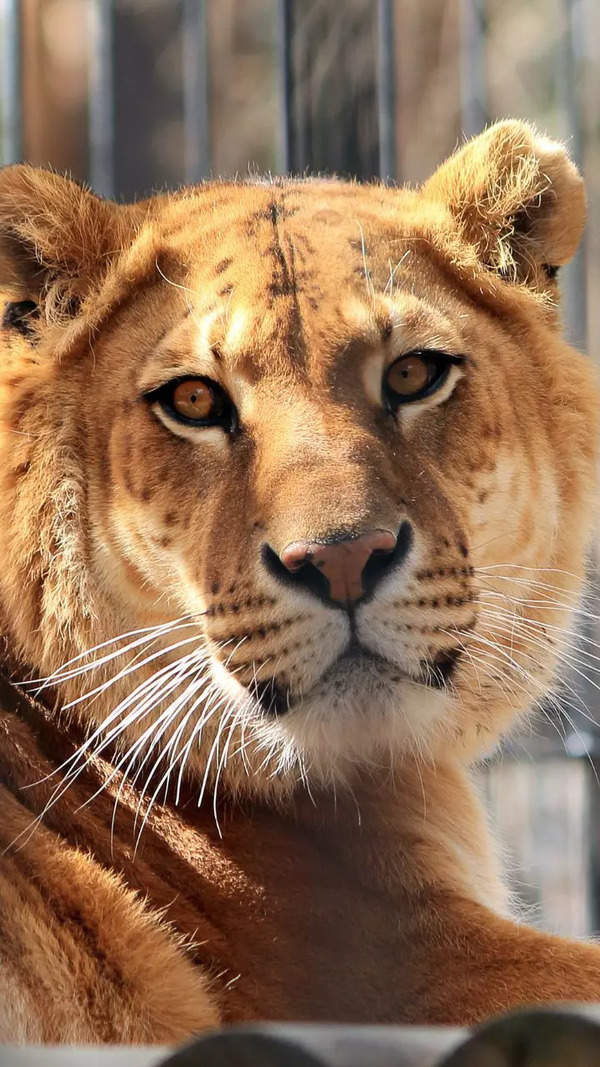
The arrival of the penguins is the second phase of Byculla zoo’s revamp. In the third phase, more animals will be brought. New mammals would include lions, tigers, sloth bears, leopards, swamp deer, zebras, jaguars, wolves, bison, otters, mouse-deer, spotted deer, wild boars, blackbucks and porcupines; reptiles would include gharials. As for birds, emus would be added to the aviary.
The makeover for the 150-year old Byculla zoo, also known as Veermata Jijabai Bhonsle Udyan, and Rani Baug, was planned in 2006, but ran into controversy, either relating to its heritage status or on the issue of trees being cut. The Mumbai Heritage Conservation Committee had objected to the revamp proposal twice as the municipal corporation was not sure whether the botanical garden in the zoo would be left untouched. The plan cleared the hurdles gradually and is now ready for implementation.
The original plan included features like a swank restaurant right next to the enclosure for cheetahs, separated by a glass wall, and separate sections for the animals, based on their continents of origin, mainly Asia, Africa and Australia, skywalks in parts of the zoo, and an underground parking facility. Most of the features were omitted in the new plan, prepared in 2011, and its expenditure brought down from Rs 470 crore to Rs 150 crore. The final approval, from the Central Zoo Authority, came in December 2012.
The first phase of the zoo’s revamp has been completed. The work comprised restoration of heritage structures like statues,
the band stand, the clock tower and drinking fountains, and construction of an administration block, animal hospital and exploration
centre. Also, internal roads have been laid, the main road repaired, and fencing completed.
A member of the Plants and Animal Welfare Society (PAWS) said that in developing the zoo and its suburban extension, the BMC should be careful about reproducing the habitat of the animals.
End of Article
FOLLOW US ON SOCIAL MEDIA









Hot Picks
TOP TRENDING
Trending Stories
In City
Entire Website
- Why has the iconic Tupperware Brands filed for Chapter 11 bankruptcy?
- Meerut Metro: India’s ‘Fastest’ Metro Service Unveiled! Check Top 10 Features, Stations, Route & More
- Several people feared trapped after house collapses in Delhi's Karol Bagh
- 'Putting an end to all the masala': Virat Kohli and Gautam Gambhir leave fans stumped
- Massive tech layoffs at Apple, Dell, IBM are a wake-up call for IT professionals: Why upskilling is the key to survival
- 'Biggest security breach': 1000s of pagers explode across Lebanon, many Hezbollah fighters hurt; 9 dead
- Maharashtra schools closed on Sep 18: Here’s why
- Schools to be closed tomorrow in these states: Here’s why
- 'Prophet Muhammad who taught us to...': Pakistan batter Babar Azam turns to faith amid poor form
- Sukanya Samriddhi Yojana: What are the latest guidelines for SSY accounts? Check here
- 3-5 grams explosives, 5,000 pagers: How Israel carried out covert strike on Hezbollah
- 'One nation, one election' cleared by Union Cabinet
- What IPO-bound startups learnt from Paytm’s costly mistakes
- Indus Water Treaty: India serves formal notice to Pak, seeks modification
- 'MSP legal guarantee & caste survey': Congress releases Haryana manifesto
- 12 people killed including two children after pager explosions in Lebanon
- Why Isro needs a new approach to realise its lunar ambitions
- Fired techie shares his 'survival story' on LinkedIn, post viral
- 'Symbol of hand will act as slap': Vinesh Phogat takes aim at BJP
- LG proposes Atishi's swearing-in ceremony on September 21

Popular Categories
Hot on the Web
Top Trends
India Fastest Metro ServiceVince McMahonNPS Vatsalya LaunchDonald TrumpKolkata Doctor Rape CaseShreyas IyerTaiwan PagersGautam Gambhir Press ConferenceUGC Net ResultVirat KohliSukanya Samriddhi YojanaIsrael Hezbollah WarNEET UG Admission CriteriaDelhi CM's ListPager Attack in LebanonDMK StalinLive Cricket Score
Trending Topics
Living and entertainment
Latest News
Throwback: When Aishwarya Rai said that dignity is 'extremely precious' to her; 'The way I have been brought up.....'Shilpa Shetty just rolled out the latest sari trend 'a rainbow sari''Could restore sight': FDA grants 'breakthrough status' to Musk’s Neuralink 'Blindsight' implant. What it meansCM Punk to Step In as Guest Referee for NXT Title Match at WWE NXT Chicago EventWaterborne disease cases spiked after flood in VadodaraThe man who wants to 'cancel' Adani from Sri LankaSuriya to play the antagonist in 'Dhoom 4', here's what we know11 get new lease of life with organs from two in SuratMrBeast aka Jimmy Donaldson, Amazon sued by ‘Beast Games’ contestants over sexual harassment and chronic mistreatment allegations - reportsAmazon India appoints new country headBigg Boss Tamil 8: Actress Sachana Namidass to participate in the upcoming season?India 'very big abuser' of trade ties with US, says Donald TrumpJr NTR's 'Devara: Part 1' to have early morning showsGrieving mom's heart-wrenching letter blames toxic culture for daughter’s deathRicky Ponting is new Punjab Kings head coachA lot at stake as Mohun Bagan get ready for Asian footballHeart problem? Smart stetho can sense it in just 15 secsWhy am I feeling irritable? Common causes of mood swings and how to manage them
Copyright © 2024 Bennett, Coleman & Co. Ltd. All rights reserved. For reprint rights: Times Syndication Service