
- News
- City News
- mangaluru News
- Footfall at St Mary’s Island touched 22-23 lakh, says DC
Trending
Footfall at St Mary’s Island touched 22-23 lakh, says DC
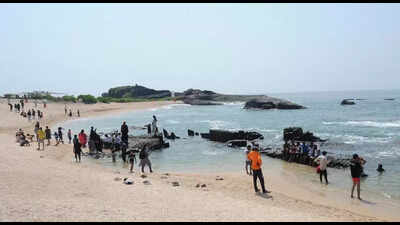
At the Connect 2024, an interactive session with travel, tourism and hospitality stakeholders from Dakshina Kannada and Udupi, organised by the department of tourism and Karnataka Tourism Society on Wednesday, Udupi deputy commissioner Vidya Kumari K gave the details and stressed the importance of promoting tourism while preserving the district's natural beauty and enhancing basic amenities.
She said that there is a need to improve last-mile connectivity and provide basic infrastructure at tourist destinations. "The roads leading to these spots are narrow and in poor condition. Addressing these issues is essential. The district has 18 beaches and needs essential facilities like restrooms, which can be developed with lesser investment," she said.
"Udupi already offers agri and adventure tourism. People from outside, including foreigners, enjoy activities in Kesarugadde (slush fields), including paddy transplanting. We need to focus on folk tourism by showcasing cultural traditions like Kambala and Bootharadhane," she said and suggested that monsoon tourism be encouraged, as the region's rainy season offers a unique experience.
GST woes
Karnataka Tourism Society executive member PC Rao raised concerns about the reverse charge mechanism in GST, which places an extra burden on restaurant and hotel owners operating from rental properties. He called for discussions to find a solution. He also noted that the labour department allows hotels and restaurants located in urban bodies to operate until 1am, the police department implements restrictions.
Among stakeholders, Aloysius Albuquerque stressed the region's unparalleled monsoon season, which presents a prime opportunity for tourism development. He urged that tourism be recognised and promoted as an industry.
End of Article
FOLLOW US ON SOCIAL MEDIA









Photostories

Hot Picks
TOP TRENDING
Explore Every Corner
US Election Results
Popular Categories
Hot on the Web
Top Trends
WPL 2025 AuctionPresident PutinJill BidenUS Elections NewsAllan LicthmanDonald TrumpUS States Winner ListUS Election Results 2024WPL Full Retention ListUPSC Calendar 2025Donald Trump Net WorthRobin UthappaCBSE Disaffiliated School ListWPL 2025 RCB Retention ListKamala HarrisDonald Trump SonSRK Death ThreatUS Election Winners and Losers
Trending Topics
Bhool Bhulaiyaa 3 ReviewKaun Banega Crorepati 16Shark Tank IndiaHair FallSuniel ShettyRaja KrishnamoorthiSingham Again ReviewTom Cruise MoviesYellowstone Season 5Kaun Banega Crorepati 16Indian Breakfast RecipesAmaran Box Office CollectionSingham Again 3 OTT ReleaseAmaran ReviewMutton CurryDigvijay Singh RatheeDonald Trump Net WorthUS Presidents List
Living and entertainment
Latest News
India said to have most Trump Towers outside USArjun Kapoor reveals when he signed Singham Again he was going through ‘worst phase’ of his life: ‘I was very isolated during my shoot’Soundarya Sharma doesn't regret her pan masala ad with Shah Rukh Khan, Ajay Devgn and Akshay Kumar: 'Consumers know the side effects'PSU Solar bars R-Power, arms from contractsFed continues to ease policy with 25 bps rate cutShah Rukh Khan’s fans concerned about him after receiving death threats; back superstar for not coming at his balcony to greet fans on birthdaySensex dives 836 points as Trump euphoria settlesSwiggy IPO sees 35% subscription on Day 2Ananya Panday pays tribute to Rohit Bal by rewearing his ‘21-year-old’ custom-suit designed for her mom Bhavana PandeyAt 6%, rural FMCG growth 2x of urbanRe hits record low of 84.38 as dollar surges after Trump winIndia should be part of RCEP, CPTPP: Niti CEOPenguin spotted at an Australian beach 2,200 miles away from its native landActivists claim UGC cell sitting on ragging plaintsCharity by India Inc up 4%, Nadar biggest giverAllow registration in insolvency cases if OC issued: IBBIStation master's 'OK' sends train, his life on wrong trackEnd of runway for Jet: SC orders liquidation, nixes revival plan
Copyright © 2024 Bennett, Coleman & Co. Ltd. All rights reserved. For reprint rights: Times Syndication Service