
- News
- City News
- lucknow News
- Knee care during winters: Tips to prevent, alleviate osteoarthritis
Trending
This story is from October 22, 2024
Knee care during winters: Tips to prevent, alleviate osteoarthritis
As winter approaches, those at risk of knee osteoarthritis should maintain a healthy weight, keep joints warm, and engage in regular, gentle exercise. Recognize early symptoms, incorporate dietary changes, and use appropriate footwear. Regular medical checkups and specific exercises can also improve knee mobility and reduce pain.
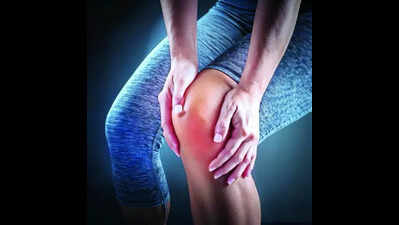
Cold weather can affect knee mobility and increase joint stiffness. Here are some tips to help you take care of your knees during the winter. These measures are also beneficial for those over 40 who do not suffer from osteoarthritis, as prevention is always better than treatment.
Preventing knee osteoarthritis
Maintain a Healthy Weight
Engage in Regular Exercise
Gentle and consistent exercises such as walking, swimming, or cycling strengthen the knees and can slow down the progression of osteoarthritis. Avoid strenuous and high-impact exercises that place extra pressure on the knees.
Keep Joints Warm
It is essential to keep your knees warm during cold weather. Cold air and environment can stiffen the joints, increasing pain. Wear warm clothing and keep your knees covered.
Rest and Adopt Proper Postures
Avoid sitting in the same position for long periods. Sit comfortably while avoiding bending knees. Minimize the use of stairs to prevent additional strain on the knees.
Don’t Ignore Early Symptoms
If you experience swelling, pain, or stiffness in your knees, do not overlook these symptoms. Contact a doctor promptly, as early treatment can slow disease progression.
Dietary Changes
Include food rich in Omega-3 fatty acids, such as fish, walnuts, and flaxseeds, in your diet. A diet rich in calcium and vitamin D helps keep bones strong.
Joint Massages
Regular massages of the knees improve blood circulation and provide relief from pain.
Wear Appropriate Footwear
Choose well-fitting shoes that provide comfort to the knees and promote proper gait. Avoid high heels, as they exert extra pressure on the knees.
Exercises and Therapies
Useful Exercises for the Knees
Light and controlled exercises are very beneficial for patients with osteoarthritis. These exercises strengthen the knee joint and help alleviate pain:
Quadriceps Drill
This is the most crucial exercise for knee osteoarthritis, performed in three ways:
Sitting:
Sit on a chair, extend one leg straight, and slowly raise it, holding for 5-10 seconds before gently lowering it back down. This helps strengthen thigh muscles.Lying Down:
Lie on your back with one leg straight. Slowly lift the other leg, holding it for 5-10 seconds before lowering it back down. This exercise strengthens the muscles around the knees.Standing:
Stand with support from a wall or chair. Bend one leg backward and lift it. Hold for 5-10 seconds before lowering it back down. This helps strengthen the knees.Hamstring Stretch:
Place your leg straight against a wall or a raised surface and gently lean forward. This exercise helps make hamstrings and knee muscles flexible.Quadriceps Stretch:
Stand with support from a chair or wall. Bend one leg backward and hold it with your hand. This strengthens the thigh muscles.Knee Bends:
Holding onto a chair, stand and slowly bend your knees. Do this within a limited range to avoid excess strain on the knees.Leg Raises:
Lie on the ground and raise one leg straight, holding it for 10 seconds before lowering it. This increases the strength of knee muscles.Heat & Cold Therapy
Heat and cold therapy can be useful for reducing knee pain and swelling:
Cold Therapy:
Apply an ice pack to the knees for 10-15 minutes. This reduces swelling and pain. Repeat this 2-3 times a day, but do not place ice directly on the skin; keep a towel in between.How To Use Heat And Cold Therapy
For stiffness or muscle tightness:
Use heat therapy. It relaxes muscles and makes joints flexible.For swelling or post-injury pain:
Use cold therapy. It reduces swelling and inflammation. These exercises and therapies not only alleviate knee pain and stiffness but also help improve knee mobility.Regular Medical Checkups
As you age, regularly get your knees checked. X-rays or other examinations can detect early stages of the disease, allowing treatment to start sooner.
End of Article
FOLLOW US ON SOCIAL MEDIA






Photostories

Hot Picks
TOP TRENDING
Explore Every Corner
Across The Globe
What is Waqf Amendment BillRishabh and Sanjiv Goenka ChatNBA Offseason RumorsMinecraft Craftmine Update GuideStephen CurryWaqf BillRishabh PantWhere to Watch IPLStephen Curry WifeSchedule 1Jill BidenNBA RecordIPL Match TodayDigvesh SinghVal KilmerDwyane WadeMichael WilbonSoros Funded Desi CompanySiddhivinayak Annual RevenueIPL Highest Inning ScoreKunal Kamra CaseBrady TkachukSusan CrawfordApril Bank HolidayIPL Live Score 2025Purple Cap in IPLAll Schedule 1 SuppliersIPL Orange CapIPL Points TableIPL Schedule 2025
Hot on the Web
Bangalore Bevarage RaidMagnesium Deficiency SymptomsKamal HasanShah Rukh KhanSikandar Box Office CollectionSikandar Movie ReviewPrince Yakub Habeebuddin TucyBobby DeolCelebrity MasterchefSikandar Movie ShowsTejasswi PrakashVeera Dheera Sooran 2 Movie ReviewL2 Empuraan ReviewGhibli Style ImagesKitchen Remedies For HairPush Ups BenefitsChia Seeds For HairDates BenefitsVeera Dheera Sooran ReviewUnique MammalsSelenium Rich FoodsHaldi Vs KesarUs VisaNavratri ColoursBrain ExercisesSikandar First ReviewKunal KamraNavratri ColoursUK Immigration PoliciesMoringa Drumstick Potato Curry Recipe
Trending Topics
Satya NadellaAIBE 19 ExamSam AltmanPannun PlotRRBTechnician Grade 3 DV Admit cardMinecraft April FoolsCory BookerChagos IslandShreyas IyerAmravati AirportLucknow Super Giants vs Punjab KingsPrabhsimran SinghLSG IPL 2025 SquadPBKS IPL 2025 SquadNoida ExpresswayGujarat Firecracker Factory FireDevendra FadnavisYogi AdityanathLithuania Army SoldiersNYT ConnectionsNidhi TewariGhibli Style ImageDennis RodmanRahul GandhiWordle TodayElon MuskChatGpt OutagePublic Holidays AprilBank Holidays AprilBobby Witt Jr. Net Worth
Popular Categories
HeadlinesSports NewsBusiness NewsIndia NewsWorld NewsBollywood NewsHealth+ TipsIndian TV ShowsTechnologyTravelEtimesHealth & FitnessWWENFLICC Champions TrophyAstrologyWeather TodayIPLHow to watch IPL 2025How to watch IPL in CanadaHow to watch IPL in USAIPL TeamsStock Market HolidaysNSE HolidaysBSE HolidaysMCX HolidaysTechnology NewsInternational SportsPublic HolidaysBank Holidays
Latest News
Fake ‘Empuraan’ copy sold for Rs 15 seized in Pappinisseri; Employee taken Into custodyKDMC launches first solar-powered school in Dombivli, aims to make all schools solar poweredSalman Khan’s Sikandar crosses $1 Million in North America but faces challengesWho is Mary Kate Cornett? Why is the college student planning legal action against Pat McAfee?'We are with NDA, have issued whip': Union Minister Jayant Chaudhary supports Waqf Amendment BillDivyabharathi breaks silence on rumors linking her to GV Prakash’s divorce: 'I would never date an actor''Looked like it was Punjab curator out here': LSG mentor Zaheer Khan rues no home support after loss“Feels surreal”: Tampa Bay Rays’ Jake Mangum feels emotional after victory against Pittsburgh PiratesPittsburgh Pirates vs. Tampa Bay Rays—Where and how to watch today’s match, venue, time and moreJana Sena party backs Waqf Amendment Bill in Lok Sabha, Pawan Kalyan directs MPs to supportThe BIG Ghibli mistake everyone may be doing, warn security researchersVal Kilmer dies at 65: Top Gun team honours actor; FINAL scene as Iceman with Tom Cruise makes fans emotional - WATCHRRB Technician Grade 3 DV admit card 2025 released: Direct link to download hall tickets hereWhat is Waqf (Amendment) Bill? All you need to knowPragnika Vaka, all of 7, is already a world chess champion!Illegal water mafia draining Yamuna, fueling Delhi’s water crisisThis simple Maths calculation is the best way to check heart health and find underlying diseases at homeStartup MahaKumbh 2025 to be held in New Delhi: Know how to register and why you should participate
Copyright © 2025 Bennett, Coleman & Co. Ltd. All rights reserved. For reprint rights: Times Syndication Service