
- News
- City News
- lucknow News
- Kidney racket: Botched pairing puts recipients at mortal risk
Trending
This story is from June 28, 2019
Kidney racket: Botched pairing puts recipients at mortal risk
The probe into the inter-state organ racket busted by UP Police following a complaint by a Kanpur-based electrician’s wife in February this year has revealed startling facts on how donors were shown as near or distant relatives by staff of two Delhi-based hospitals to prove matching of human leukocyte antigens (HLA) with that of the recipient.
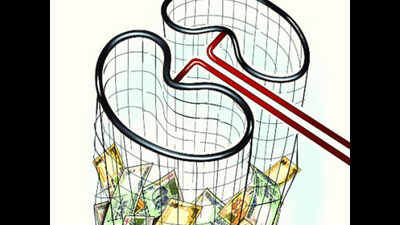
Image used for representational purpose

Medical staff of Delhi-based Pushpawati Singhania Research Institute (PSRI) and Fortis, Faridabad, and several middlemen have been arrested from various places in the last three months in connection with the racket.
The Kanpur police have found that in none of the four cases being probed, donor and recipient bear any genetic or family relation.
Graft survival is superior in pairs where both donor and recipient have the same serologically defined HLA antigens, which is known as HLA matching.
What has worried the UP cops is the death of a Lakhmirpur Kheri recipient, a farmer named Kamal Chauhan, within few months of his liver transplant surgery, even before the probe began.
Sources in Kanpur police said that cops will now be seeking an expert opinion from authorised medical practitioner on the fitness of both donors and recipients.
A wider belief in organ transplant surgery is that the impact of HLA mismatch between donor and potential recipient extends time for transplantation therapy, reduces graft survival and increases mortality.
The cases under scrutiny by UP Police include the one where a woman was being forced to change religious identity while a fake father-son pair was created before medical board of PSRI.
“In case of Bulandshahr, the donor is shown as Sanskar Aggarwal, who is donating kidney to his father Anil on paper. In reality, the donor is someone from a poor background lured into the transplant business,” said sources. The modus operandi used by the middlemen in Delhi, Kanpur and Lucknow along with hospital staff was through six means.
This included: showing death of all possible near-relatives of the recipient except donor, replacing photographs of fake donors with that of real ones in Aadhaar cards, fake entries in bank passbook, super-imposing photographs of recipients in donor family albums, induction of donors in family trees of recipients from religious place and generating fake domiciles.
“We were fortunate that the original complainant Sangeeta ran away from Ghaziabad after the middleman, Junaid, who tempted her into taking up a job in Delhi, forced her for a medical check up with a follow up offer of Rs 4 lakh to change her name to Shakina Bano as her recipient was going to be from the other religion,” said a top cop.
The probe is being led by Kanpur Police SIT comprising SP (Crime) Rajesh Yadav, DSPs Geetanjali Singh and Saifuddin and Inspector Anurag Mishra.

About the Author
Rohan DuaEnd of Article
FOLLOW US ON SOCIAL MEDIA







Photostories
Hot Picks
TOP TRENDING
Popular Categories
Hot on the Web
Top Trends
Shantanu NaiduRussell WilsonsTom BradyAUS vs PAK Live ScorePakistan Cricket FanSuryakumar YadavNobel Peace PrizeMahadev Betting AppNew UPI Transaction LimitRatan Tata DiesPM ModiUGC NET Result 2024Management Colleges of IndiaTop Medical Colleges of IndiaTop Engineering Colleges of IndiaTop Pharmacy Colleges of IndiaLive Cricket Score
Trending Topics
Diwali WishesJigra ReviewDussehra WishesVettaiyan OTT ReleaseVettaiyan CollectionVettaiyan ReviewBlack Movie ReviewDevara CollectionBigg Boss 18Deepika PadukoneShraddha KapoorRatan Tata Passed AwayJigra Movie ReviewVettaiyan Movie ReviewSwatantrya Veer SavarkarDussehra 2024Elon MuskKing Legacy CodesUltimate Football Codes October 2024Wordle Answer
Living and entertainment
Latest News
Navratri 2024: Jaya Bachchan and Shweta Bachchan join Rani Mukerji at the Durga puja pandalOff Argentina's Patagonian coast, whales and their calves dive deep for foodHappy Dussehra 2024: Images, Quotes, Wishes, Messages, Pictures and GreetingsApplications for new power connections among services moved exclusively onlineMy mother would love to have a swayamwar for me: Raj AnadkatHappy Dussehra 2024: Top 50 Wishes, Messages, Images and Quotes to Share with Your Loved OnesBigg Boss 18: Karan Veer Mehra's comment on Arfeen Khan converting his wife's religion sparks anger; Arfeen says, "Agar ye ghar mein nahi hota main iski band baja deta"Krushna Abhishek shares a heartwarming post for mama Govinda; says 'jab body mein adha blood supremely talented actor Govinda ka ho...'Could Tyreek Hill Return to the Chiefs? Cryptic Posts Fuel Trade SpeculationHappy Dussehra 202: Top 50 Wishes, Messages and Quotes to share with your loved onesAmitabh Bachchan turns 82: Priyanka Chopra, Prabhas, Kajol, and other celebs extend heartfelt birthday wishes to the legendary starPutin won't discuss Ukraine peace with Germany's Scholz, Berlin saysKarnataka Congress faces backlash over case withdrawals linked to Hubballi riots'Jigra' box office collection day 1 early estimate: The Alia Bhatt starrer faces tough competition with Rajinikanth's starrer 'Vettitan' and Rajkummar Rao's Vicky Vidya Ka Woh Wala Video'Lead with AI and transform challenges into opportunities with GrowFast's AI and Analytics based Business Strategy online courseAI is having its Nobel moment. Do scientists need the tech industry to sustain it?Type Soul codes October 2024: Redeem active codes to unlock benefitsSalami slicing: How China is eating into India’s territory
Copyright © 2024 Bennett, Coleman & Co. Ltd. All rights reserved. For reprint rights: Times Syndication Service