
- News
- City News
- kolkata News
- Why can’t city’s aesthetics and commerce co-exist in Kolkata?
Trending
This story is from March 13, 2018
Why can’t city’s aesthetics and commerce co-exist in Kolkata?
Even if you were unaware of the city’s colourful history, you would still feel a little wistful passing through the old areas
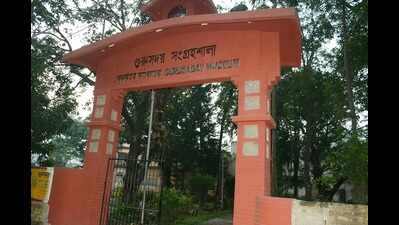
Even if you were unaware of the city’s colourful history, you would still feel a little wistful passing through the old areas
You Can Also Check: Kolkata AQI | Weather in Kolkata | Gold Rate Today in Kolkata | Silver Rate Today in Kolkata
to LED.In 1957, Frank Lloyd Wright the architect and educator, wrote: “Art is a discovery and development of elementary principles of nature into beautiful forms suitable for human use”. And the design guru, Charles Eames had this to say: “Art resides in the quality of doing; process is not magic”. I would say we forgot these principles a long time ago. The Italian artist, Michelangelo Pistoletto gets the final word: “Above all, artists must not be only in art galleries or museums — they must be present in all possible activities. The artist must be the sponsor of thought in whatever endeavor people take on, at every level". There are of course those who are impatient with all this nostalgia and perhaps the associated art. They thrill to the modernistic trappings of the city raising their heads all around. The malls, the new bars, cafes and restaurants, the prospects of migration. Anything that reflects all this modernity, contemporary, must be good, better than before. History is for textbooks.Last week I speculated on re-imagining our city from its history, intervening with evolving artistic and creative responses. An autonomous watchtower, as it were, set up to overlook urban planning and projects could be a good way to get going. Comprising artists, architects, designers, historians, scientists, writers and other aesthetes with expensive but short tenures in the council, this watchtower would have the power to recommend, even demand aesthetic inclusions and exclusions to anything affecting urban planning and development, whether by the government or private entities. This necessarily requires massive political initiative, will and practice. Calcutta could lead the way.I’m just happy there’s a whole lot of very good music available with even more choice thrown in. I spend a lot of time seeking music. For music I heard when I was so much younger than today, for music I read about but hadn't heard, and those recommended by people whose music tastes appeal to me. Along the way are discoveries that move me, or leave me cold. I recently came across a one and a half minute video of a group of qawwals singing Sweet Child O’ Mine, that most popular rock anthem by Guns’n’Roses, in their style. The main singer also did the double-handed, index fingers pointing down thing hip-hop artists do when he sang the chorus. What made it embarrassingly cringeworthy were the listeners preening themselves and looking thoroughly pleased with the rendition of that which must never be called music.— PATRICK SL GHOSEEnd of Article
Follow Us On Social Media
Visual Stories











Hot Picks
Top Trending
Explore Every Corner
Across The Globe
India vs West Indies Live ScoreBAN vs PAK Live ScoreGabrielle UnionGisele BundchenChristian MccaffreyLeon Draisaitl WifeMLB Trade RumorsAndre Agassi and Steffi RelationshipSidney CrosbyRudi JohnsonNBA Trade RumorsConnor McdavidJustin FieldsBen JohnsonVijayadashami 2025Caitlin ClarkNiko MikkolaPaul Hughes vs Usman NurmagomedovCourtland Sutton WifeIBA Elite Boxing ChampionshipGreta ThunbergUS government shutdownKai TrumpShedeur SandersDonald TrumpBrittany MahomesRoger GoodellTaylor SwiftTom BradyICC Women World Cup Schedule
Hot on the Web
Walking BenefitsBlood Pressure Medication Side EffectsDog BreedsKantara Box Office CollectionAparajita BenefitsSunny Sanskari Ki Tulsi Kumari ReviewSunny Sanskari Ki Tulsi Kumari CollectionSunny Sanskari Ki Tulsi Kumari Movie ReviewMoringa LeavesChia Seeds for Dark SkinKidney Damage SymptomsKantara ReviewAbhishek BachchanMagnesium Deficiency SymptomsHigh Uric AcidKantara Chapter 1 Movie ReviewIdli Kadai Box Office CollectionStomach CancerMahesh BhattChia Seeds Health BenefitsAlia BhattParesh RawalR MadhavanIdli Kadai Movie ReviewKantara Chapter 1 Box Office CollectionIdli Kadai Box Office CollectionPati Patni Aur PangaWorld Lion SafarisOG Box Office CollectionJolly LLB 3 Box Office CollectionElephant Safari National ParkLung Cancer Vs Lung InfectionDesi Ghee Vs Olive OilHyperlactation SyndromeSigns Of Kidney FailureNorthern LightsSigns Of High CholesterolKomodo Dragon Vs CrocodileFatty Liver Warning SignsBlack Mamba VenomCauses Of Eye Floaters
Trending Topics
Eiza GonzlezJeremiah BrownMaria SharapovaConnor McdavidSergio ConceicaoJorge Jesus vs Sergio Conceicao StatsJosh HartPatrick BeverleyTyreek HillTom BradyTaylor SwiftPuka NacuaWho is Jake TongeDonald TrumpGisele BndchenJason KelceTaylor Swift Next EraFrankie EdgarSonam Wangchuk WifeLeBron JamesShaquille O NealToronto Maple LeafsGeorgios FrangulisPCB Punishes Pakistan PlayersDonald Trump vs DemocratsMinecraft Java EditionRussell WilsonRyder CupErik Johnson FarewellKirill KaprizovBrock PurdyUS Government Shuts DownNothing OS 4.0 BetaNithin KamathAccenture LayoffsSridhar VembuElon MuskSam AltmanJensen HuangPhoebe GatesWordle TodayNyt Connections Hints
Popular Categories
HeadlinesSports NewsBusiness NewsIndia NewsWorld NewsBollywood NewsHealth+ TipsIndian TV ShowsTechnologyTravelEtimesHealth & FitnessDelhi Gold Rate TodayNumerology Number 1 HoroscopeChinese Horoscope PredictionsAstrologyWeather TodayPlatinum Rate TodaySilver Rate TodayGold Rate TodayIs Bank open todayIs Bank Open TomorrowBank Holidays in SeptemberPublic Holidays in SeptemberStock Market HolidaysNFL ScheduleTechnology NewsInternational SportsPublic HolidaysBank Holidays
Trending Videos
Putin To Take Advantage Of Germany's Weak Spot? ‘NATO Can’t Shoot Down Russian Drones’Putin Derides NATO’s Power: ‘This Is the Best You Have?’ | Valdai Forum 2025‘Americans In REAL PAIN…’: Mike Johnson BLASTS Democrats For ‘180 Degree Turn’ On Trump Funding BillUS Govt Shutdown Day 2: Leavitt Slaps Democrats With ‘Hard Truths’ As Standoff Drags OnHamas Fires Multiple Rockets at Israel in Deadly Barrage During Yom Kippur | Watch'PM Modi Won't Surrender': Russia's Putin Backs India On Trump's Tariff Bombs‘DON’T DICTATE!’: Putin Lashes Out At Trump As U.S. ‘Mulls’ Ukrainian Strikes Deep Inside RussiaD4vd Case Update: Justice for Celeste Rivas at RISK as Autopsy Results Remain DEFERRED?Zelensky 'Loses’ 1,510 Soldiers In Single Day; Russia's All-Side Attack On Ukrainian FrontlinesTrump Cries 'War Within', Unleashes Military On Dissidents: Straight Out of Fascism Playbook?On Cam: Trump MOCKED by Macron & Friends For ‘Ending’ A War That Only Existed in His ImaginationUS Shutdown Triggers Massive Political War, Trump Mulls Mass Layoffs; Dems Call Move 'Dirty Trick''Radical Left Democrats...': Trump Breathes Fire As US Shutdown Triggers Political WarTrump Security Breach: Secret Service Fooled By 'FAKE GUARD' At Ryder Cup | WATCH‘Complete Democracy’: BJP Accuses Rahul Gandhi Of Insulting India Over ‘Threat To Democracy’ RemarkHoward Lutnick DROPS Disturbing Epstein ‘Massage’ Story: DOJ’s No Blackmail Claim in QuestionPutin Aide Threatens US Of ‘Appropriate’ Response If Ukraine Gets Long-Range Tomahawk MissilesPutin Wants India In US Backyard? Russia Invites New Delhi For 'Game-Changer' Arctic Sea Route
Latest News
��Shootout Drama in Delhi: Goldy Brar Gang’s Next Target Revealed — Munawar Faruqi'I knew Alia Bhatt was not free for next 2-3 years...': Shashank Khaitan reveals if the actress was ever offered Sunny Sanskari Ki Tulsi KumariLegendary broadcaster slams Tom Brady’s Fox NFL commentary, says it’s so 'distracting' he can’t listen anymoreNBA Trade Rumors: Denver Nuggets Could Dish Out $140 Million Contract to 2023 NBA Champion Ahead of 2025-26 SeasonBJP Fumes Over Rahul Gandhi's ‘Democracy Under Attack’ RemarkMammootty’s first response after health recovery: Thanks fans for their love; says ‘I know that everyone prayed for me’‘Chainsaw Man – The Movie: Reze Arc’ box office collection day 7: Anime film faces 56 percent drop in earnings, closes week 1 at Rs 3.61 croreGermany: Munich airport shuts down after drone sightings; 17 flights groundedUS universities on the brink as Trump-era visa policies trigger historic international student collapse'Rishi Dimple in parallel universe', say 'Mismatched' fans who are finally healed after season 3, as Prajakta Koli's cameo in 'Sunny Sanskari Ki Tulsi Kumar' with Rohit Saraf goes viral on the internetDaily Horoscope: Today's astrological predictions for October 3, 2025Aquarius Daily Horoscope Today, October 3, 2025: Saturn Brings Structure to Your Path, outline steps and follow themEiza González surprises Grigor Dimitrov with heartfelt love message after their glamorous Prada Milan Fashion Week appearanceNBA Trade News: Why the Golden State Warriors Waived $85,300 G-League Rookie Forward Just Hours After Signing HimAzerbaijan and Albania deal? European leaders mock Donald Trump’s confused peace claims— Video'Lokah: Chapter 1 - Chandra' box office collections day 36: Kalyani Priyadarshan’s film nears end of run; Crosses Rs 151 croresHilarious! Pakistan batter Nashra Sandhu gives away her wicket in bizarre manner - Watch"Saved my heart": Taylor Swift credits Travis Kelce with saving her from Ophelia’s tragic fate in new song
Copyright © 2025 Bennett, Coleman & Co. Ltd. All rights reserved. For reprint rights: Times Syndication Service