
- News
- City News
- kolkata News
- Wadder, Waddar or Waddedar: Late revolutionary Pritilata's 86-year-old surname mystery
Trending
This story is from July 28, 2018
Wadder, Waddar or Waddedar: Late revolutionary Pritilata's 86-year-old surname mystery
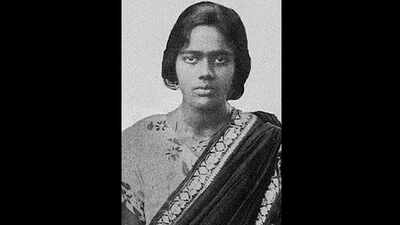
Pritilata Waddedar
On July 26, the duplicate graduation certificate and marksheet of Pritilata Waddedar was handed over to two officials of the Bangladesh High Commission by the Vice Chancellor of Calcutta University. However, the certificate spelt Pritilata’s surname as Waddar.
This certificate was issued by Hassan Suhrawardy on March 25, 1933. Pritilata had joined Masterda Surya Sen’s group in the 1930s. During that time, she was brought in because women would not be suspected when they couriered weapons. In In June 1932, she along with Masterda, escaped from the Dhalghat encounter in which revolutionary Nirmal Sen had lost his life.
In September 1932, Waddedar had led a team of fighters in an attack on the Pahartali European Club in Chittagong, which had proudly displayed a sign reading “Dogs and Indians Not Allowed”. Pritilata, disguised as Punjabi, had torched the club, killing a British woman and injuring 11 others. During the assault, she had sustained a bullet injury. While being trapped by police, she committed suicide by consuming potassium cyanide.
A few months back, in February that year, another revolutionary - Bina Das - had tried to shoot the then governor Stanley Jackson in the senate house of Calcutta University. But, the attempt had failed and Das was imprisoned. While still being the vice chancellor, Suhrawardy had received his knighthood immediately after having saved Jackson’s life. “It is an irony that the protector of the colonialists is forced to give a degree to the girl who led the charge in bringing the colonialists down,” said Bedabrata Pain, who directed “Chittagong” that had Pritilata in a pivotal role.
On Thursday, Md Mofakkharul Iqbal, first secretary (press), Deputy High Commission for Bangladesh, received the certificate from CU vice chancellor Sonali Chakravarti Banerjee. Also present at the ceremony was Bangladesh Deputy High Commission’s counsellor Jamal Hussain. “It was a historic moment. Earlier on, a member of the Birkannya Pritilata Trust had wanted to take the certificate. But the Calcutta University authorities had said that they would prefer to hand it over to the Bangladesh government,” Iqbal said.
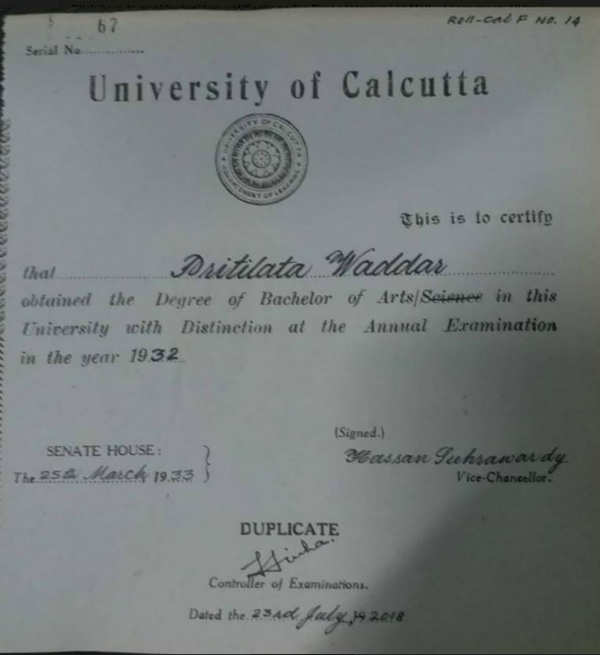
Graduation certificate of Pritilata
The “Waddar” spelling in the certificate – different from Waddedar - was noticed by Iqbal too. Interestingly, Pritilata’s matriculation certificate from Dr. Khastagir Government Girls’ School that was issued by University of Calcutta on June 14, 1928, and is available online spells her surname as Wadder. “In Bangladesh, all our government records mention her spelling as Waddedar. When we had asked Calcutta University officials about the “Waddar” spelling, the pro vice chancellor told us that it is the spelling in the university records and that’s what they will follow,” Iqbal added. Repeated calls and messages to the vice chancellor and pro vice chancellor of Calcutta University went unanswered.
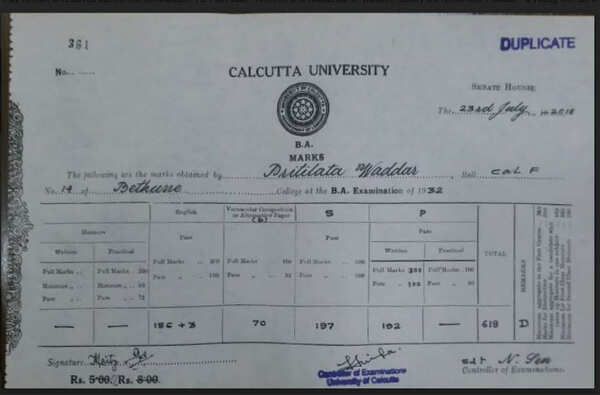
Marksheet of Pritilata
Pain, who used the Waddedar surname in “Chittagong”, finds this spelling issue “rather puzzling”. “In all the accounts and conversations with revolutionaries of that time, she was referred to as Waddedar. Even plaques in Bangladesh honouring her use the Waddedar spelling. I had met revolutionary Benode Bihari Chowdhury who was part of the Chittagong uprising. He had referred to Pritilata as Waddedar,” Pain said.
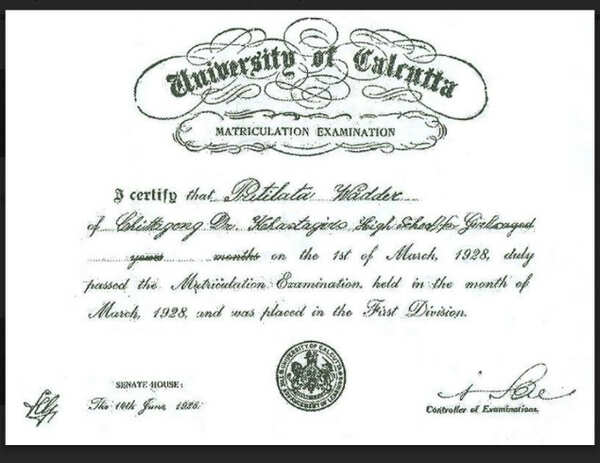
Matriculation certificate of Pritilata
According to Tapati Sengupta, the former head of department of history at Loreto College who had delivered the Pritilata Waddedar Memorial Lecture in 2007 at Jadavpur University, the original surname of the Waddedars was Dasgupta. “Waddedar was derived from the official title of Wahededar. It was conferred upon one of the ancestors of the family by a Nawab of Bengal. In a file preserved at the Bethune College on Pritilata, we find her signing her surname as Wadder. In one document, she has also signed in as Prity Wadder. In her suicide note, she had signed her name as Pritilata Wadder. The college’s official documents curiously spelt her surname as Waddar. Perhaps, it was an oversight,” Sengupta said.
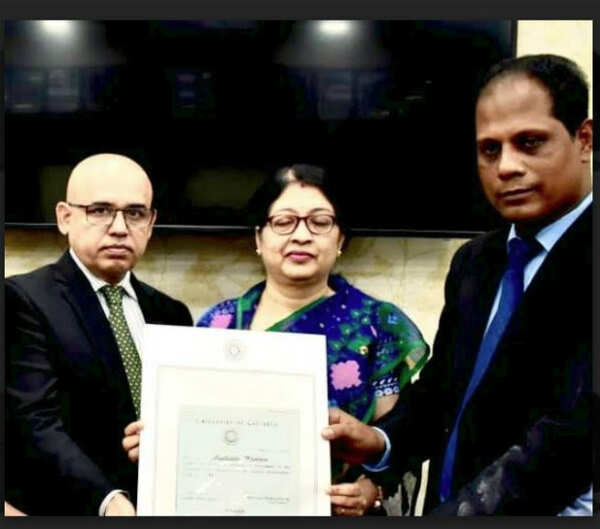
Calcutta University vice chancellor Sonali Chakravarti Banerjee handing over the graduation certificate to Md. Mofakkharul Iqbal and Jamal Hussain of the Bangladesh Deputy High Commission
Was it to hide her identity that multiple spellings were used? Pain doesn’t rule that out. “Or perhaps, it was a genuine confusion over an uncommon last name. Mine is spelt alternately by many from Paine, Pune to pine when it is only Pain,” the director said.
The controversy over her surname may remain unresolved but not her contribution. As Pain said, “Whether it is Waddedar or Wadder, history will remember Pritilata – a young woman of 21 – in the front ranks of the revolutionaries of India.”

About the Author
Priyanka DasguptaEnd of Article
FOLLOW US ON SOCIAL MEDIA





Photostories
Hot Picks
TOP TRENDING
Explore Every Corner
Across The Globe
Super Bowl LIX 2025 ResultsKendrick LamarSerena WilliamsElon MuskJustin Baldoni ControversyDonald TrumpRobert KraftGracie HuntTaylor Swift BooingErin AndrewTaylor Swift Engagement RingTravis KelcePatrick Mahomes WifeLebron JamesWho is Jon BatisteRobert KraftDevendra FadnavisTaylor Swift Pregnancy RumourBlake LivelyTravis Kelce InjuryChiefs Owner DaughterWill Travis Kelce RetireChiefs Member Rolex Watch Gift8th Pay CommissionKike HernandezMagic JohnsonGolden State Warriors vs Milwaukee BucksChampions Trophy ScheduleLos Angeles Lakers Master PlanLebron James
Living and Entertainment
Hot on the Web
Valentine Week DaysValentine Week List 2025Saif Ali KhanPromise Day WishesValentine Week Style GuideRanveer AllahbadiaMagnesium Deficiency SymptomsAmitabh BachchanVitamin B12 SourcesRanveer AllahbadiaVitamin DShah Rukh KhanOptical IllusionSooraj BarjatyaWalnuts VS AlmondsFat LossAjith VijayanNaga ChaitanyaNagarjunaLoveyapa Box Office CollectionSky Force Box Office CollectionBadass Ravikumar Box Office CollectionThandel Box Office CollectionIndian National ParksSaif Ali KhanHigh Protein LunchHigh Fiber VegetablesOrange Yolk vs Yellow YolkWorld Oldest PerfumesFenugreek Seeds Benefits
Trending Topics
Taylor Swift Brutally TrolledLebron JamesTrae YoungJEE Main Final Answer KeyDarius GarlandJames HardenJimmy ButlerLamelo BallNBA Buyout RumorsKevin PietersenTeyana TaylorStephen CurryPaul SkenesGolden State WarriorsPatrick MahomesDwyane WadeOlivia DunneSuper Bowl RingsJayson TatumLegend Barry BondsTaylor SwiftSteve JobsLamelo BallErin DolanKike HernandezOlivia DunneJosh HadersBlake LivelyGaurav TanejaSunita Williams
Popular Categories
HeadlinesSports NewsBusiness NewsIndia NewsWorld NewsBollywood NewsHealth+ TipsIndian TV ShowsCelebrity PhotosTechnologyICC Champions TrophyIPLTravelEtimesHealth & FitnessK POPHollywood NewsWeb SeriesVideosWWEUS NewsNFLBoard Exam ResultsCBSETechnology NewsInternational SportsMobile & Tabs NewsAstrologyTOISAMedithon
Latest News
6 health risks that a frequent headache is telling youTravis Kelce’s ex, Kayla Nicole, accused of "seeking attention" as she celebrates Philadelphia Eagles' Super Bowl LIX victoryStall displaying Taslima Nasreen's book at Bangladesh book fair attackedQuestions raised over beef exports, amid shortage in local supplyApple iPhone 16 is available for 30,530 on Amazon; check exchange deal and bank offer3 great eggfly butterflies found resting for 3 months at GhoteliShark Tank India 4: Anupam Mittal and Namita Thapar get into a tiff over a Green Discount company; the former says, “If are uncomfortable with my question, don’t be here”Temp rises 3°C above normal in PanajiFewer couples tying the knot in China as divorces climb to new highs: But why is this happening?Amitabh-Jaya-Rekha, Salman-Aishwarya-Vivek, Shahid-Kareena-Saif: Bollywood’s most sensational love trianglesWill Elon Musk access your Social Security number? Here's what he says3.3 lakh kids targeted in deworming driveMore than 17,700 students take Class XII exams across stateMan pays for window seat on famous airline, posts 'Where’s the window?' selfie – Here’s why it's going viralPrashant Kishor to be ‘special adviser’ to Vijay's TVKMicrosoft founder Bill Gates: Apple founder Steve Jobs was great at design but not a good ...Margao fire safety concerns call for auditBryan Johnson calls out India’s AQI crisis with ‘Taare Zameen Par’ meme, says ‘clean air will do more than curing cancer’
Copyright © 2025 Bennett, Coleman & Co. Ltd. All rights reserved. For reprint rights: Times Syndication Service