
- News
- City News
- kolkata News
- 'Moving court without approaching FCAT is a dangerous trend'
Trending
This story is from November 23, 2016
'Moving court without approaching FCAT is a dangerous trend'
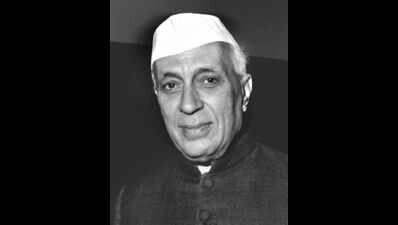

While accepting his defeat in round one, BJP sympathiser Bhowmik says, “The ‘tarikh-pe-tarikh’ syndrome in the court was too taxing and financially draining. By now, we’ve spent approximately Rs 17 lakh. Finally, I decided to drop the writ petition. I am aware that my film had caused a rift within BJP and that my detractors within the party has won in the first round.”
Meanwhile, the round two of the fight for certification has begun. Bhowmik, in whose forthcoming film the Bengal governor Keshari Nath Tripathi has penned the lyrics of a song, has submitted an application to the Film Certification Appellate Tribunal (FCAT) on November 7. “It is the prerogative of the producer to decide when he wants to approach the court or the FCAT. The film’s producer wanted to go to court. There was a delay and it’s okay if he has decided to approach FCAT now,” Chauhan explains.
That’s where the new controversy has begun. BJP’s Rajya Sabha MP George Baker says, “The director should have approached FCAT in the beginning. He raised this hue and cry to garner publicity.”
Even the former regional officer of CBFC Dibyendu Das, under whose supervision this film was examined in Kolkata, said, “Moving court without approaching FCAT is a dangerous trend. CBFC fought for a cause and that has been established. I am glad the court didn’t entertain such a plea.”
Bhowmik refuses to comment on Baker’s statement but admits that union minister Babul Supriyo had also asked why he hadn’t approached FCAT in the beginning. “Babul was right. Had I approached FCAT before, I might have already got a verdict,” Bhowmik says, adding he will fight till the end to ensure the film’s release.
According to Baker, who is also a CBFC member, any authority that releases “a film with the potential to threaten the social fabric” must take the responsibility to handle any untoward incident. Though he hasn’t watched the film and won’t comment on it directly, he disagrees with the idea of the film attempting to tarnish Nehru’s image including use of words like ‘aaiyash’ to describe the leader. “There is no point in trying to smear history with anything that could make us points of ridicule. Principally, I wouldn’t want derogatory comments being made about Nehru. One can amend a constitution but can’t amend a bad name given to any individual,” Baker says.
Chauhan wants the law to decide by checking facts. He points out that the film portrays Nehru when he wasn’t India’s prime minister. “He was a leader and I find nothing wrong in using such a word in this context. Anyone can go online and read Rajiv Dixit’s lectures on Nehru describing these aspects of his life. Besides, ‘aaiyash’ isn’t a hard-hitting word. Anyone who has a very good standard of living, is well-dressed and presents himself in a certain fashion can be addressed that way,” Chauhan points out.

About the Author
Priyanka DasguptaEnd of Article
FOLLOW US ON SOCIAL MEDIA










Photostories
Hot Picks
TOP TRENDING
Popular Categories
Hot on the Web
Top Trends
Shantanu NaiduRussell WilsonsTom BradyPakistan Cricket FanSuryakumar YadavHurricane MiltonMahadev Betting AppNew UPI Transaction LimitRatan Tata DiesPM ModiNarayana MurthyUGC NET Result 2024Management Colleges of IndiaTop Medical Colleges of IndiaTop Engineering Colleges of IndiaTop Pharmacy Colleges of IndiaLive Cricket Score
Trending Topics
Diwali WishesJigra ReviewDussehra WishesVettaiyan OTT ReleaseVettaiyan CollectionVettaiyan ReviewBlack Movie ReviewDevara CollectionBigg Boss 18Deepika PadukoneShraddha KapoorRatan Tata Passed AwayColdplayVettaiyan Movie ReviewSwatantrya Veer SavarkarDussehra 2024Elon MuskKing Legacy CodesUltimate Football Codes October 2024Wordle Answer
Living and entertainment
Latest News
NIA charges 5 with human traffickingHarris overtakes Trump among suburban voters: Reuters/Ipsos pollDisturbed sleep tops list of complaints received on mental health helplineSamantha Ruth Prabhu shares playtime with Chinmayi Sripaada's daughter, says 'It took her 4.5 seconds to disown her parents'TD Bank pleads guilty to money laundering violations, agrees to $3 billion penaltyDilip Kumar-Saira Banu wedding anniversary: How the legendary actor surprised all by marrying his belovedSpiritual fervour all around as Sun God steers Lord's chariot at TirumalaInfosys to no longer send job offer letters and attachments, the company will ...Jaggery vs honey: Which one is better for weight loss?National Cricket League raises concerns over regulations and standards: ReportSP-Congress alliance for UP bypolls intact: Akhilesh YadavHours after arrest, 1 of 2 Surat rape accused dies in custodyMy mother would love to have a swayamwar for me: Raj AnadkatAnees Bazmee reveals Vidya Balan's first reaction after reading 'Bhool Bhulaiyaa 3' scriptRanji Trophy: Focus on Shreyas Iyer as Mumbai begin title defenceHappy Dussehra 2024: Top 50 Wishes, Messages, and Quotes to Share with Your Loved OnesBigg Boss 18: Karan Veer Mehra's comment on Arfeen Khan converting his wife's religion sparks anger; Arfeen says, "Agar ye ghar mein nahi hota main iski band baja deta"Haaland becomes Norway's all-time leading scorer, then gives some big personal news
Copyright © 2024 Bennett, Coleman & Co. Ltd. All rights reserved. For reprint rights: Times Syndication Service