
- News
- City News
- kolkata News
- How weavers stitched together symbols of life
Trending
This story is from October 7, 2016
How weavers stitched together symbols of life
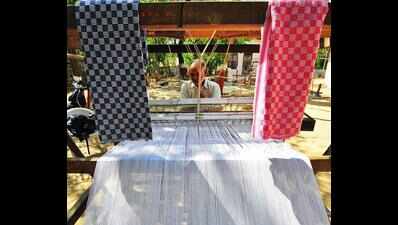
(Representative image)
The 75 carpets on display are as much stories as they are works of art and belong to the private collections of Anil Menon, president of Cisco systems, and Danny Mehra, vicepresident, Charles Schwab.

The embroidered symbols and icons tell the story of waning cultures and tradition. “We can all speculate on what the weaver intended to say though only the artisan would have known what she wanted to convey ,“ said Mehra. “Most symbols have a meaning. Trees indicate everlasting life, dogs indicate loyalty , while birds are a symbol of faith and human figures probably show members of the weaver's family or tribe. These put together make for stories about love and harmony,“ he explained.
Apart from stories, there are also deliberate mistakes woven in. “The reason is that these communities believed that no human hand can achieve perfection and that it is only for the divine,“ said Lalit Verma, art impresario and owner of Aurodhan Gallery which is hosting the exhibition till October 15.
But the lan guage of these an cient creations is not bound by any religion, stresses Mehra. “While most of the weav ing groups are Islamic now, many of them used to follow Shamanistic traditions be fore they con verted to Islam. And they still hold dear the tribal symbols.“ The nomadic nature of the weavers is also the reason why they have distinct similarities in pattern and colours.
“The weavers travelled freely and had friends from other tribes from other tribes from whom they borrowed ideas.
Most of these re gions used icons that were commonly used across all the countries in this region,“ said Mehra.
Despite the beauty of the carpets, they were not for just decorations for special occasions but served a functional purpose as well. “They are used for birthing, as prayer mats, doorways and meal mats. In a way, for these nomadic people, the carpets were their equivalent of a home. It's the patchwork on which their lives played out all their colours,“ said Verma.
End of Article
FOLLOW US ON SOCIAL MEDIA









Photostories

Hot Picks
TOP TRENDING
Popular Categories
Hot on the Web
Top Trends
Trending Topics
Devara CollectionNavya Naveli NandaPawan KalyanJungle SafariStree 2 OTT ReleaseRose GardenDevara CollectionOTT Release MovieMasala OmeletteEmergencyDevaraTaaza Khabar 2 Twitter ReviewDevara Movie ReviewHealthy RaitasSwatantrya Veer SavarkarColdplay India tour 2025Smartphone DealsApple Macbook Air M1Amazon SaleWordle Answer
Living and entertainment
Latest News
TN: Sri Lankan Navy apprehends 17 fishermen off Rameswaram coast, seizes 2 boatsIndia vs Australia: Can Akash Deep make the difference Down Under?Historic North Carolina village submerged under water after Hurricane Helene brings heavy rainIndia shooter reports late for final, misses potential medal at Junior World ChampionshipsExclusive - A sneak peek into Zain Imam aka Teerth’s makeup room on the set of Suman IndoriThree killed, four injured after bus collides with truck in Bihar's KaimurSivakarthikeyan imitates Kamal Haasan at the 'Amaran' promotional event, gets praisesWhen Shah Rukh Khan, Aamir Khan, grooved with Dharmendra at the 'Yamla Pagla Deewana 2' eventTulsi Gabbard calls Kamala Harris shameless as VP inspects US-Mexico border: 'No conscience'‘Devara’ stars Jr. NTR and Saif Ali Khan try their hand at Punjabi and BhojpuriAir Canada fined for breaching restricted Iraqi airspaceStress could be your heart's worst enemyI Say ‘Khamosh’ to Sonakshi: Zaheer Iqbal - ExclusiveSC handbook lists terms to be avoided to refer to persons with disabilities, provides alternativesQueen Camilla does not want King Charles to meet Prince Harry because...Judge ‘warns’ Apple: Your Homework deadline is Monday, September 30, no matter whatAnanya Panday calls new mom Deepika Padukone 'the most beautiful woman ever'Government unveils draft rules to take terminally ill off life support
Copyright © 2024 Bennett, Coleman & Co. Ltd. All rights reserved. For reprint rights: Times Syndication Service