
- News
- City News
- kochi News
- Nationalism abusing history often, says Romila Thapar
Trending
This story is from October 28, 2020
Nationalism abusing history often, says Romila Thapar
Nationalism often abuses history by using it as a propaganda tool and historians should stand up and say that such attempts do not portray true history, said eminent historian Romila Thapar.
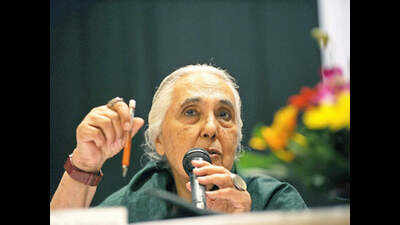
Romila Thapar
"Just like Eric Hobsbawm rightly said, ‘History is to nationalism what poppy is to an opium addict’.

She added that the big change that should have been brought in by secular nationalism after Independence was that every citizen had equal status and rights. But it did not happen in practice over the past 70 years sufficiently and what happens now is the revival of the colonial idea of two nation theory- the Hindu and Muslim nations, she said.
The session was attended by several historians, teachers and student and it was led by historians Kesavan Veluthat and Rajan Gurukkal.
"Meet the Historian programme aims at exploring the thought world of historians who have substantially contributed to the field of historiography and set high standards. Kerala History Congress has identified such scholars from all over the world and will interact with them for understanding their methodology and methods of historical research. The upcoming sessions will feature eminent professors like Rajan Gurukkal, Joanna Bourke, Mridula Mukherjee, Aditya Mukherjee, Neeladri Bhattacharya, Kesavan Veluthat among others," said Sebastian Joseph, general secretary of Kerala History Congress.
Kerala History Congress is a registered organization of historians, students, teachers and researchers drawn from Kerala and different parts of the country.

About the Author
Anantha Narayanan KEnd of Article
FOLLOW US ON SOCIAL MEDIA










Photostories
Hot Picks
TOP TRENDING
Popular Categories
Hot on the Web
Top Trends
Hurricane MiltonRatan Tata NewsNew UPI Transaction LimitRatan Tata DiesPM ModiRafael NadalShantanu NaiduTom BradyStock Market TodayNarayana MurthyEngland Cricket Team New RecordRatan Tata Inspiring QuotesManagement Colleges of IndiaTop Medical Colleges of IndiaTop Engineering Colleges of IndiaTop Pharmacy Colleges of IndiaLive Cricket Score
Trending Topics
Diwali WishesJigra ReviewDussehra WishesVettaiyan Twitter ReviewVettaiyan CollectionVettaiyan ReviewSalman KhanDevara CollectionBigg Boss 18Deepika PadukoneShraddha KapoorRatan Tata Passed AwayColdplayVettaiyan Movie ReviewSwatantrya Veer SavarkarDussehra 2024Watch NFL Live StreamDress To ImpressRatan Tata DeathWordle Answer
Living and entertainment
Latest News
NIA charges 5 with human traffickingHarris overtakes Trump among suburban voters: Reuters/Ipsos pollDisturbed sleep tops list of complaints received on mental health helplineSamantha Ruth Prabhu shares playtime with Chinmayi Sripaada's daughter, says 'It took her 4.5 seconds to disown her parents'TD Bank pleads guilty to money laundering violations, agrees to $3 billion penaltyDilip Kumar-Saira Banu wedding anniversary: How the legendary actor surprised all by marrying his belovedSpiritual fervour all around as Sun God steers Lord's chariot at TirumalaInfosys to no longer send job offer letters and attachments, the company will ...Jaggery vs honey: Which one is better for weight loss?SP-Congress alliance for UP bypolls intact: Akhilesh YadavHours after arrest, 1 of 2 Surat rape accused dies in custodyHappy Dussehra 2024: Top 50 Wishes, Messages, and Quotes to Share with Your Loved OnesAnees Bazmee reveals Vidya Balan's first reaction after reading 'Bhool Bhulaiyaa 3' scriptRanji Trophy: Focus on Shreyas Iyer as Mumbai begin title defenceBigg Boss 18: Karan Veer Mehra's comment on Arfeen Khan converting his wife's religion sparks anger; Arfeen says, "Agar ye ghar mein nahi hota main iski band baja deta"Haaland becomes Norway's all-time leading scorer, then gives some big personal newsDell’s 5-day work from office mandate for sales team leaves employees speculating on what next …Business figures who became billionaires after 40 including Henry Ford, Ray Kroc and more
Copyright © 2024 Bennett, Coleman & Co. Ltd. All rights reserved. For reprint rights: Times Syndication Service