
- News
- City News
- kochi News
- Swimming against the tide
Trending
This story is from August 28, 2018
Swimming against the tide
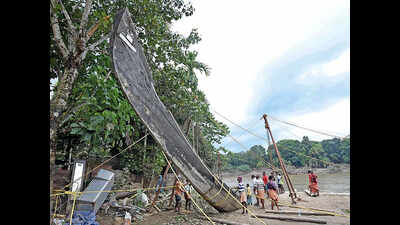
Workers attempt to move a snake boat, which was displaced 25 metres above water level during the floods in Aranmula
The ugly metamorphosis of Aranmula from a lush green valley dotted with leafy houses and manicured gardens to a dusty, grey ghost town happened in matter of three days after the shutters of Kakki dam was opened, causing unprecedented floods on the banks of River Pamba.

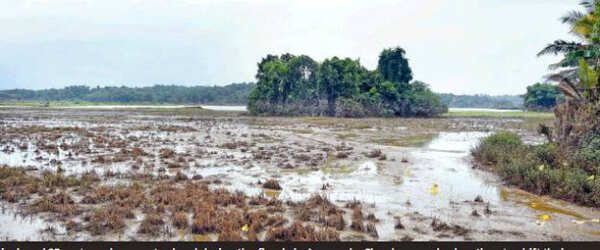
Water rose to the height of 15ft, submerging houses, shops, schools, police outposts and dance schools. Nature which gave everything in plenty to a heritage village seems to have taken back everything without even a slight warning.
People walked through the muck wearing masks. There was unbearable stench of waste lying scattered everywhere as shopkeepers and residents tried to wipe off the slush that had washed in.
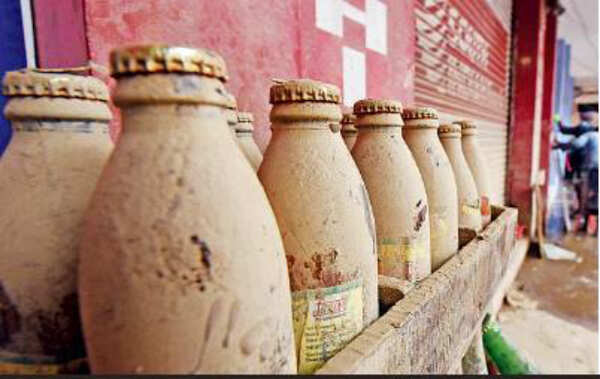
Power is yet to be restored in many areas and there is no provision of drinking water as wells have all been filled with slush. The 5km state highway that passes through Aranmula and its gullies turned into rivers. The busy Ikkara Junction, where there are 40 shops, got submerged with six to seven hours.
“I lost all my stocks,” said Yesudas, owner of Biju Textiles.
For Kalamadalam Sridevi, who has been running a 32-year-old dance and music school close to Parthasarathy Temple, the loss was hard to bear. “Many musical instruments like drums got submerged and we moved upstairs. But then we got stuck there for four days. The food was getting depleted day by day,” she said.
Residents here have one question to the authorities: Why were they not alerted about this possible deluge at least a day earlier? “We would have been able to take our belongings out. Today we have nothing left in our house,” said Hari S, whose single-storey house got submerged.
For many, Parthasarathy Temple became a refuge when the water started rising. The temple has been constructed at the highest point along the bank. Interestingly, there is a marker on the steps which shows how much water Aranmula can accommodate during rains. “If the water rises above that, we know it is a warning sign and this was engraved during the floods of 1924. But this time it went way beyond that height,” Hari said.
Meanwhile, there are a fortunate few like Shivankutty, who runs a small shack selling artificial jewellery near the temple. “I ran into the temple with all my belongings. I realized there were 900 people from different religions, caste and class inside the temple premises. It had become a relief camp. We stayed there for four days as the water rose up to 25ft here. We had ‘padachoru’ (rice offered to the deity as part of ritual) and shared whatever we had,” he said.

About the Author
Viju BEnd of Article
FOLLOW US ON SOCIAL MEDIA









Photostories
Hot Picks
TOP TRENDING
Popular Categories
Hot on the Web
Top Trends
Trending Topics
Diwali WishesDhanteras 2024Vettaiyan CollectionDiwali 2024 DateAhoi Ashtami 2024Venom ReivewBigg Boss 18Vicky Vidya Ka Woh Wala Video CollectionSalman KhanPushpa 2IsraelisPapayaSalman KhanPataudi PalaceActor Bala Wedding NewsGheeDiwali Bank HolidaysCyclone Dana Track OnlineSamsung Galaxy S24Wordle Answer
Living and entertainment
Latest News
Nothing but books as Diwali presentDid you know Sai Pallavi initially didn't agree to do the role in 'Premam'? Says,'Thought the call from Puthren was a scam'Applying castor oil on navel at night: Why it is highly recommendedPunjab bypolls: Senior Akali leader Sohan Singh Thandal joins BJP, likely to contest from Chabbewal seatDiwali sales cross Rs 1.2 lakh crore, another Rs 2 lakh crore expected by year endGoa board’s Class IX Urdu question paper comes with answer key'Power of dialogue': Defence minister Rajnath Singh on India-China easing LAC tensionGarmin Fenix 8 series debuts in India: Price, specifications and moreWatch: Sudden crack in floor tiles causes panic among Tamil Nadu govt staffISL: A text to Coyle that led to Edwin’s return to Chennaiyin FCJ&K: Policeman injured in grenade explosion at Baramulla court evidence roomTips to ensure a diabetic friendly Diwali this yearViral video: Auto driver intercepted with rigged meter in MumbaiShahid Kapoor and Mira Rajput’s playful BTS from Diwali bash photoshoot: 'What it takes to get that one picture'Unni Mukundan’s ‘Marco’ Hindi teaser to be unveiled by John AbrahamKartik Aaryan recalls standing outside Mannat to catch a glimpse of Shah Rukh Khan: 'I’ve been on the other side'Exclusive - Bigg Boss 18: Muskan Bamne's 'Anupamaa' family members Sudhanshu Pandey, Madalsa and Nidhi back her journeyKerala Blasters bank on attack as they face BFC
Copyright © 2024 Bennett, Coleman & Co. Ltd. All rights reserved. For reprint rights: Times Syndication Service