
- News
- City News
- kochi News
- After generic drugs, it is generic yoga now
Trending
This story is from October 23, 2017
After generic drugs, it is generic yoga now
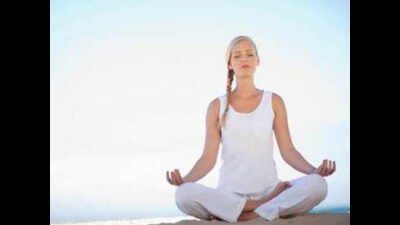
It focusses on yoga in the form of meditation, postures, breathing techniques and relaxation exercises, besides the number of rounds that one needs to practise each exercise and the amount of time a person with specific mental health condition should spend on yoga.

“Just like one needs to take only prescribed medicines in mental illness cases, in the same manner yoga should be illness-specific and targeted. Therefore, a generic manual is essential and it should be taught by a yoga teacher only. We completely discourage patients from doing yoga by self,” said Dr Shivarama Varambally, additional professor, department of psychiatry and consultant, Nimhans Integrated Centre for Yoga.
A countrywide study by Nimhans showed that at least 13.7% (projected figure) of India’s general population was suffering from a variety of mental illnesses; and 10.6% of this lot needed immediate intervention. In all, nearly 150 million Indians are in a need of active medical intervention. In Kerala, one in eight persons, that is 12.43% of the population, require psychiatric intervention. Around 9% , belonging to different age groups, are suffering from depression, said a recent survey.
With Nimhans experience showing that yoga has positive impact on patients with mental illness, they contacted 40 hospitals in India to send their nurses for training so that yoga can be integrated into the mental health programme. Only two hospitals responded, added Dr Varambally. Now they are trying to get more stakeholders together next September to discuss yoga traditions and develop a generic yoga module to approach mental health that will be accepted by everyone.
Psychiatrists admitted that such a module would be really helpful. “Every aspect of yoga is not suitable for all. It is important to know this, as yoga has psychological impact that leads to long-term personality changes and neurobiological changes leading to social changes,” said Indian Psychiatric Society’s nonpharmacological interventions task force national chairman Dr Philip John. Psychiatrist at AIMS, Kochi, Dr N Dinesh said: “Anxiety and depression leads to breakdown in patients that needs to be treated initially with medicines. When they respond to medicines, we slowly shift to yoga. With regular yoga, we are able to get good results and we reduce the medicine dose.”
However, there are critics too. “Yoga is just a supportive treatment like exercise. There is no concrete evidence to show that yoga is superior to regular exercise. Since yoga has cultural acceptance and Centre is pumping in a lot of money, everyone is talking about it,” said secretary of state mental health authority Dr Jayaprakash KP.

About the Author
Preetu NairEnd of Article
FOLLOW US ON SOCIAL MEDIA




Photostories
Hot Picks
TOP TRENDING
Popular Categories
Hot on the Web
Top Trends
PAK W vs SL W Live ScoreLiv Morgan Car CollectionSSC CGL Answer KeyTrichy School Bomb ThreatIsrael Hezbollah WarKerala Lottery ResultsRohit SharmaBrittany MahomesUP Police Constable ResultSeth Rollin Car CollectionTirupati Laddu CaseICC Women t20 World CupWomen's T20 World CupTop Management Colleges of IndiaT20 WC ScheduleWomen T20 World Cup Points TableLive Cricket Score
Trending Topics
Samantha Ruth PrabhuNavratri Colours 2024Navratri WishesHappy Navratri 2024 WishesNaga ChaitanyaDevara CollectionGOAT OTT ReleaseRajinikanthRajinikanth Health UpdateNavratri HistoryDevaraGovinda NewsDevara Movie ReviewHealthy RaitasSwatantrya Veer SavarkarColdplay India tour 2025Upcoming Smartphones In OctoberNavratri JewellerySony Bravia 55 inch 4k Ultra HD TVWordle Answer
Living and entertainment
Latest News
ICC Women’s T20 World Cup ninth-edition: Will India capture their first title? Key players, schedule, and where to watchMohammad Azharuddin skips ED summons in money laundering caseTirupati Laddu row: Pawan Kalyan backs Naidu's statement on ghee adulteration, says CM spoke about issue at internal party meetingHansie Cronje - South African cricket's fallen heroBeard Trimmer with Titanium Blades: Style Your Beard to Perfection with Unmatched SharpnessEver wondered how business and corporate laws provide organisations with a competitive edge? Learn their nuances with IIM Calcutta5 must follow rules of Ayurveda to lose 5kg in 30 daysKiara Advani shakes up the internet with her backless crochet and ruffle-dressNavarathri is all about inspiration and motivation: Shivani NarayananBank of America faces outage leading to zero balance glitches, hilarious memes flood social mediaThere’s a huge angle of woman empowerment also in our story of Ram and Vaishnavi: Shiv SagarSSC CGL Answer Key 2024 released for Tier 1 exam, raise objections by Oct 6: Direct link hereGlobal Chess League 2024: Indians in action, teams, format, scoring system, timeThis is the stock trading app linked to Rs 500 crore investment fraud; YouTubers Elvish Yadav, Bharti Singh among 5 summonedSomen Mishra sets record straight on Alia Bhatt and Vasan Bala 'Jigra' controversy: We were DYING to get Alia on boardThis Is Why Tarot Cards Are Classified As Potential, Consciousness, Subconscious And SuperconsciousKiran Rao arrives at Aamir Khan's first wife Reena Dutta's house to attend her father's last rites - WATCH videoRachel Zegler discusses 'Snow White', defends herself over backlash on comments
Copyright © 2024 Bennett, Coleman & Co. Ltd. All rights reserved. For reprint rights: Times Syndication Service