
- News
- City News
- jaipur News
- India builds largest animal overpass system near Ranthambore: All you need to know
India builds largest animal overpass system near Ranthambore: All you need to know
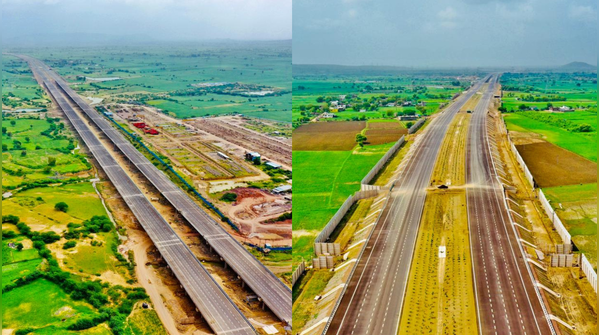
Rare coexistence of road and wildlife
An 11.5km stretch along the Delhi–Mumbai Expressway near Ranthambore showcases seamless coexistence, where fast-moving traffic and wildlife movements remain separated, preventing conflict and ensuring uninterrupted ecological connectivity.
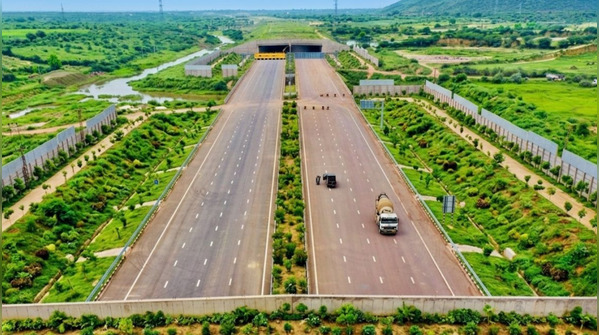
India’s largest animal overpass system
The project features a 3.5km-long animal overpass system, divided into five 500m segments, enabling safe passage for wildlife above the highway without exposure to speeding vehicles below.
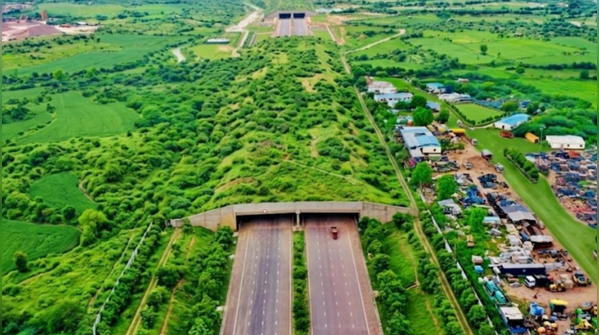
Dedicated wildlife underpass
A 1.2km underpass exclusively for animals complements the overpasses, offering an alternative safe route beneath the expressway, ensuring multiple crossing options for different species across the landscape.
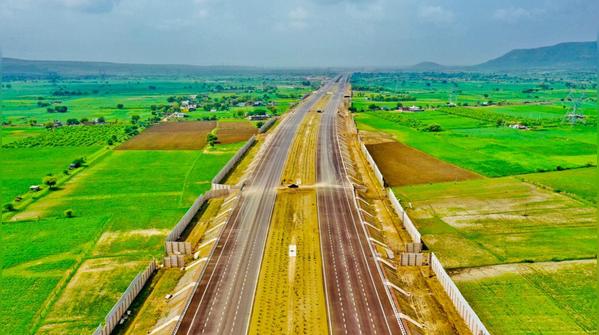
Strategic ecological corridor linkage
The design reconnects fragmented habitats, linking Ranthambore with Ramgarh Vishdhari Wildlife Sanctuary, Mukundra Hills National Park, and Kuno National Park, restoring a vital inter-state wildlife movement corridor.
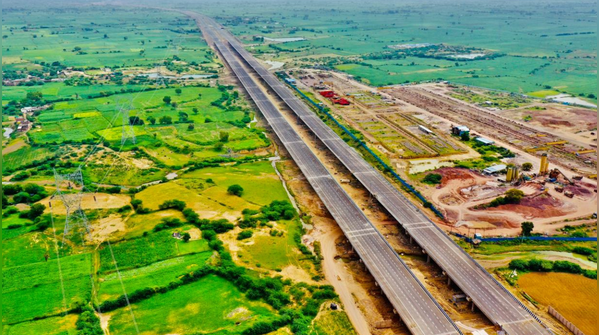
Forest-like overpass design
Overpasses are layered with soil and native vegetation, replicating natural habitat conditions, encouraging animals to use them instinctively while perceiving the crossings as continuous forest rather than human-made structures.
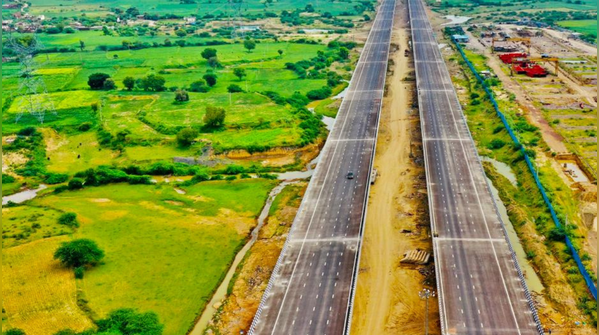
Safety infrastructure for humans and animals
High boundary walls prevent animals from accessing the roadway, while sound barriers reduce traffic noise, ensuring minimal disturbance and significantly lowering the risk of wildlife-vehicle collisions.
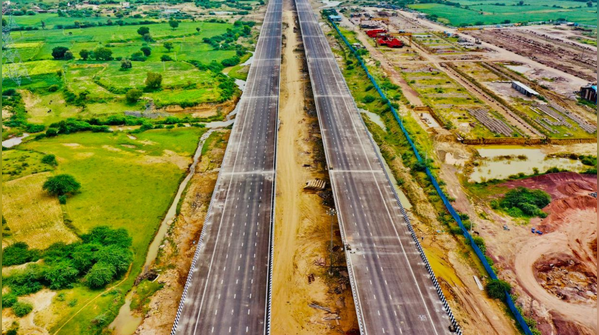
Advanced engineering and traffic flow integration
Covered highway sections with around 1,500 LED lights maintain visibility for motorists, while the expressway seamlessly passes beneath forested crossings, balancing infrastructure efficiency with long-term conservation priorities.
Featured In City

