
- News
- City News
- jaipur News
- Activists urge Rajasthan government hike the health budget
Trending
This story is from April 7, 2018
Activists urge Rajasthan government hike the health budget
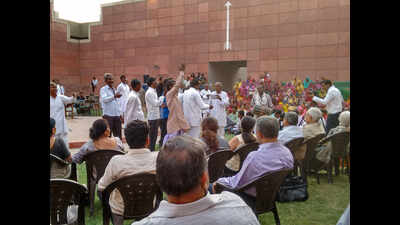
The memorandum urged the state to implement Clinical Establishments Act 2010, which provides for regulation of clinical establishments so that they offer quality services at optimal rates, and bring about policy to end malnutrition.

The petitions urged the government to desist from privatization of health facilities, for this is one of the major responsibilities of the government. It called for raising the health budget to at least 3 per cent of the state’s GDP; at present, the health budget is just about one per cent, grossly inadequate for the state’s nearly seven crore population.
“More than 100 rural and urban Primary Health Centres (PHCs) across the state have been handed over to different private agencies by the government in the past two years. Several citizens’ groups and health and human rights activists have been aggressively opposing this careless move by the Rajasthan government,” a press release from the activists said.
End of Article
FOLLOW US ON SOCIAL MEDIA







Photostories

Hot Picks
TOP TRENDING
Popular Categories
Hot on the Web
Top Trends
Election Results 2024 LiveHaryana Election Result 2024Travis KelceJammu Kashmir Election Result 2024Israel Hezbollah WarENG vs SA HighlightsSunil GavaskarKayla NicoleDipa KarmakarHaryana Assembly Constituencies 2024Top Pharmacy Colleges of IndiaDiddyWomen's T20 World CupTop MBA Colleges of IndiaT20 WC ScheduleWomen T20 World Cup Points TableLive Cricket Score
Trending Topics
Alia BhattBigg Boss Tamil 8 Contestants ListAjay DevgnNavratri Colours 2024Sanjay Leela BhansaliDurga Puja 2024Bigg Boss 18 House PhotoDevara CollectionNita AmbaniDeepika PadukoneGovindaDevaraGovinda NewsDevara Movie ReviewSwatantrya Veer SavarkarColdplay India tour 2025Watch NFL Live StreamDress To ImpressCall Of Duty Black Ops 6Wordle Answer
Living and entertainment
Latest News
India set to discuss surge in silver imports with UAEAmbala Cantt Assembly Election Result 2024: BJP's big gun Anil Vij faces multiple partiesAquarius, Daily Horoscope Today, October 08, 2024: . You are likely to receive recognition5 of gang involved in extortion, robberies, nabbed; 3 pistols,18 rounds recoveredUrban apathy drags voter turnout in HaryanaWhen Trump allowed Melania to watch top-secret Special Forces operation: 'Did she have security clearance?'Why are the CEOs of most luxury brands stepping down?Gurgaon Assembly Elections Results 2024: AAP relies on Congress, BJP rebels to gain footholdAlia Bhatt just cannot keep calm on watching 'Singham Again' trailer, says 'all the dynamite in one frame' for the big multi-starrer led by Ajay DevgnMelania: What Donald Trump and Barron said about bestseller before releaseMonetary policy committee meet: RBI moving closer to rate cut'I own a Glock and yes, I’ve fired It,' says Kamala on 60 Minutes; rules out solo talks with PutinEr Rashid calls for keeping govt formation on hold to press for statehood restorationKathua (SC) Assembly Election Result 2024: Counting of votes todayHappy Durga Puja 2024: Best Messages, Quotes, Wishes, and Images to Share on Durga PujaVaibhav & Athulya Ravi's 'Chennai City Gangsters' trailer'Toolkit used to open trunk, paper scanned': CBI gives full details of how UG-NEET paper was leaked'Nervous Nineties': Sachin Tendulkar’s 'unwanted' record in international cricket
Copyright © 2024 Bennett, Coleman & Co. Ltd. All rights reserved. For reprint rights: Times Syndication Service