
- News
- City News
- delhi News
- Rules be framed quickly: Experts
Trending
This story is from February 21, 2023
Rules be framed quickly: Experts
Motorbike taxis need to come under a regulatory mechanism and the state government must quickly formulate rules on this mode of transport to discourage people from buying personal vehicles, said experts responding to Delhi government's transport department halting the operations of two-wheeler cabs in Delhi.
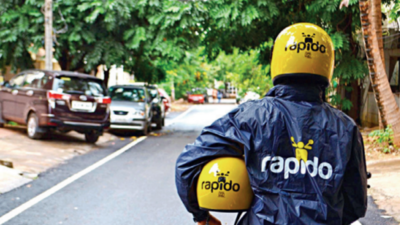
Image used for representational purpose only
Amit Bhatt, managing director (India), International Council on Clean Transport, said regulations were playing catch up with innovation across the world.

PK Sarkar, former head, transport planning, School of Planning Architecture, said app-based cab aggregators tended not to adhere to rules. "There are complaints of their not being on time, cancelling the rides, charging more during emergencies," Sarkar said. "There should be a mechanism in place with ride details registered on a government system. If there is a complaint, there is then a regulatory mechanism to ensure action."
The need for any transport mode to come under regulation was also reiterated by Shreya Gadepalli, urban mobility expert and founder of UrbanWorks. She pointed out that these bike taxis were popular because of their low fares and their manoeuvrability in crowded traffic.
Transport officials claimed not to be against the employment opportunities created by bike cabs but such services had to be considered for their safety to users, mainly because the drivers weren't registered with the transport department. "What if there is an accident or other untoward incidents?" asked an official. He added that electric motorbikes could be considered as cabs under a new policy, which is in the drafting stage.
End of Article
FOLLOW US ON SOCIAL MEDIA









Photostories

Hot Picks
TOP TRENDING
Popular Categories
Hot on the Web
Top Trends
Russell WilsonsMohammed ShamiTom BradyRishabh PantShantanu NaiduUGC NET ResultNobel Peace PrizeMahadev Betting AppNew UPI Transaction LimitRatan Tata DiesCBSE Class 10 12 Practical ExamPopular Schools in Navi MumbaiManagement Colleges of IndiaTop Medical Colleges of IndiaTop Engineering Colleges of IndiaTop Pharmacy Colleges of IndiaLive Cricket Score
Trending Topics
Diwali WishesDussehra 2024 QuotesDussehra WishesVettaiyan OTT ReleaseVettaiyan CollectionVettaiyan ReviewNatasa StankovicDevara CollectionBigg Boss 18Deepika PadukoneShraddha KapoorRatan Tata Passed AwayJigra Movie ReviewVettaiyan Movie ReviewSwatantrya Veer SavarkarDussehra 2024Elon MuskDussehra Whatsapp StatusUltimate Football Codes October 2024Wordle Answer
Living and entertainment
Latest News
Internship scheme: 193 companies post over 90,000 slots on portalInfosys to no longer send job offer letters and attachments, the company will ...Discover 8 animals that suck blood for survivalHappy Dussehra 2024: Top 50 Wishes, Messages, Images and Quotes to Share with Your Loved OnesFortified-food plan faces questions from two PM panel membersIn the land of Ram, a Ramlila that unites Hindus and Muslims'Singham Again' stars Ajay Devgn, Kareena Kapoor, Rohit Shetty spotted at airport as they jet off for Raavan Dahan in Delhi - Watch VIDEO'Bigg Boss OTT 3' contestant Ranvir Shorey admits lack of patience for 'Bigg Boss', enters the show unprepared7 dead, 1 missing after car plunges into canal in HaryanaDid you know NTR is the only actor to play both Lord Rama and Ravana?Forex reserves drop $3.7 billion in week, most since start of AugustAshton Kutcher and Mila Kunis consider leaving Hollywood amid Sean 'Diddy’ Combs' arrest fallout: ReportSwearing-in ceremony of Nayab Singh government in Haryana on October 17: Manohar Lal KhattarHow Green is your car?‘Kallanum Bhagavathiyum’: The Vishnu Unnikrishnan and Mokksha starrer is set to get a sequelAlia Bhatt, Bipasha Basu, Rhea Chakraborty and others seek blessings at Kajol and Rani Mukerji's Durga Puja pandal - See photosThane: Man dies in brawl over torn Rs 50 noteTrapped leopard gasps to death as foresters wait 12 hours for darts
Copyright © 2024 Bennett, Coleman & Co. Ltd. All rights reserved. For reprint rights: Times Syndication Service