
- News
- City News
- delhi News
- Over a decade in coma: SC allows euthanasia, Harish Rana dies
Over a decade in coma: SC allows euthanasia, Harish Rana dies
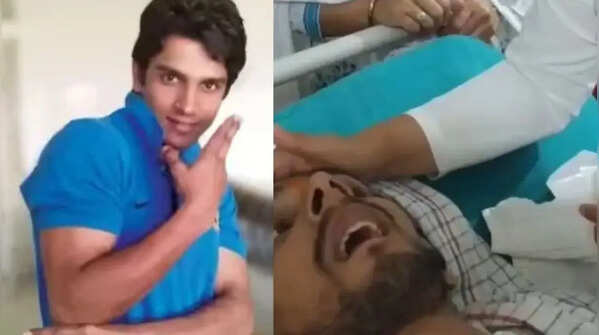
13-year coma ends: Harish Rana dies after SC nod
The Supreme Court allowed withdrawal of life-sustaining treatment for 31-year-old Harish Rana, who remained in a permanent vegetative state for over a decade. The decision followed his family’s plea citing no improvement despite years of care.
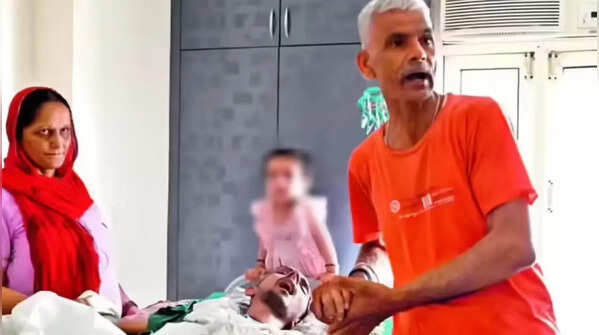
First passive Euthanasia case
Rana became the first person in the country to be granted passive euthanasia. He died on Tuesday at AIIMS after spending more than 13 years in a coma, bringing national attention to the issue of end-of-life care.
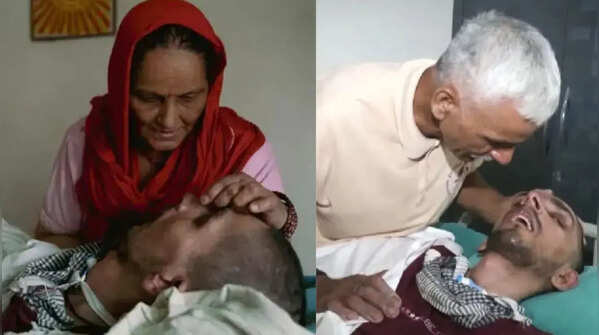
Accident that changed everything
Rana had been in a vegetative state since 2013 after falling from a fourth-floor balcony while studying engineering at Panjab University. Doctors later confirmed that his condition was irreversible.
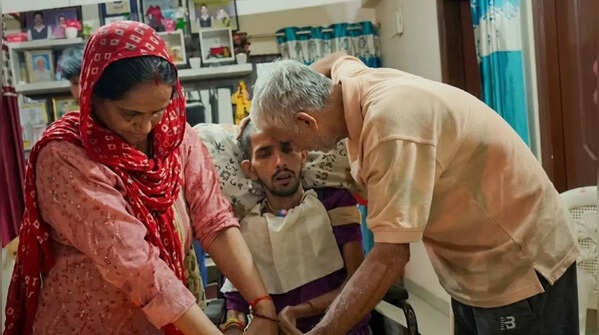
Family’s plea for dignity
Rana’s parents approached the court stating their son had no chance of recovery and continued treatment was only prolonging suffering. They sought permission to withdraw life-sustaining treatment.
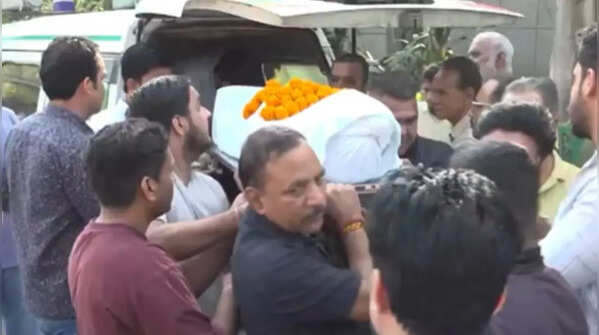
Final rites in South Delhi
His last rites were held at a cremation ground in south Delhi’s Green Park. Family members and spiritual volunteers gathered to perform the rituals, marking the end of a long and emotionally difficult journey.
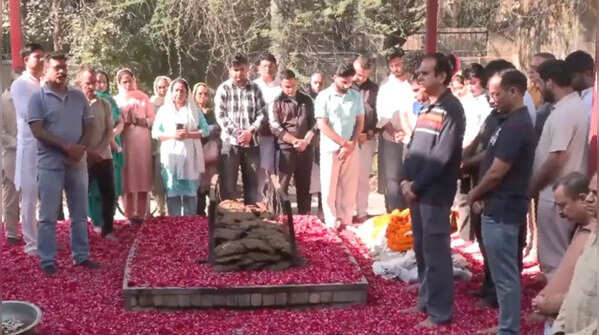
Spiritual prayers mark farewell
Spiritual volunteers were present during the last rites, offering prayers. In the days leading up to his death, members of the Brahma Kumaris had also visited the family to perform rituals and offer support.
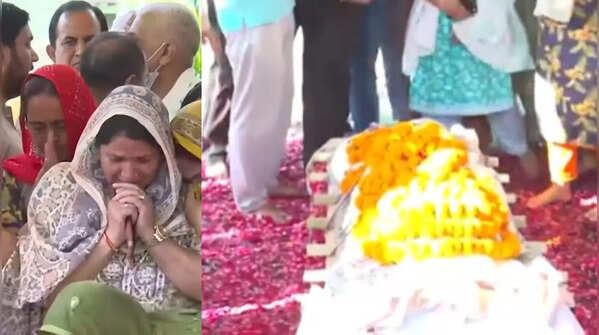
Family, volunteers attend cremation
The cremation was attended by close family members and spiritual volunteers. The ceremony remained simple and subdued, reflecting the prolonged struggle the family had endured during Rana’s medical condition.
Featured In City

