
- News
- City News
- delhi News
- Multi-pronged strategy needed for bad-air fight in NCR, says PMO
Trending
This story is from October 14, 2023
Multi-pronged strategy needed for bad-air fight in NCR, says PMO
The Prime Minister's Office (PMO) in India has reviewed measures being taken to address air pollution in Delhi-NCR, emphasizing the need for a multi-pronged approach. The meeting discussed the implementation of the Graded Response Action Plan (GRAP) and measures to improve its enforcement. The PMO also emphasized the importance of strict implementation of actions to prevent the worsening of air quality. The meeting discussed various measures to reduce pollution from different sources, including industry, vehicles, construction, and waste burning. Additionally, greening and plantation initiatives were discussed, along with measures to reduce paddy stubble burning. Expanding gas infrastructure and biomass supply were also highlighted.
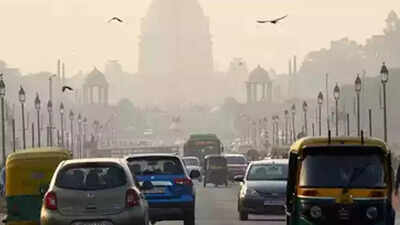
Image used for representational purpose only
Track the pollution level in your city
Chaired by P K Mishra, principal secretary to the Prime Minister, the high-level task force meeting also discussed the implementation of the Graded Response Action Plan (GRAP), its monitoring and measures to improve its enforcement.

Mishra during the meeting said that the strict implementation of the actions listed under GRAP by all concerned is critical to prevent worsening of air quality.
According to a statement from the PMO, Mishra discussed in detail about various measures being undertaken to reduce the impact of different sources of air pollution, including industrial pollution, vehicular pollution, dust from construction and demolition (C&D) activities, dust from roads, burning of municipal solid waste (MSW), biomass and miscellaneous waste, agricultural stubble burning and dispersed sources.
Greening and plantation initiatives to abate air pollution were also deliberated during the meeting, the statement said.
In an effort to ensure reduction of the paddy stubble burning in Punjab, Haryana and Uttar Pradesh, Mishra instructed close monitoring of the issue by chief secretaries of the three states.
He advised the in-situ management of paddy stubble through Crop Residue Management (CRM) machines, and use of bio-decomposers. Mishra also advised the Indian Council of Agriculture Research (ICAR) to improve the technologies.
Elaborating on ex-situ management of paddy stubble, he advised working on developing economic use of paddy straw. He also stressed on developing adequate storage facilities for baled straw along with infrastructure for baling, briquetting and pelleting for effective ex-situ utilisation of paddy straw, the statement said.
As part of the multi-pronged approach to be taken, Mishra stressed on expanding gas infrastructure and supply in the entire NCR by March 2024, and ensuring expeditious supply of biomass on demand.
End of Article
FOLLOW US ON SOCIAL MEDIA










Photostories

Hot Picks
TOP TRENDING
Popular Categories
Hot on the Web
Top Trends
Shantanu NaiduRussell WilsonsTom BradyAUS vs PAK Live ScorePakistan Cricket FanSuryakumar YadavNobel Peace PrizeMahadev Betting AppNew UPI Transaction LimitRatan Tata DiesPM ModiUGC NET Result 2024Management Colleges of IndiaTop Medical Colleges of IndiaTop Engineering Colleges of IndiaTop Pharmacy Colleges of IndiaLive Cricket Score
Trending Topics
Diwali WishesJigra ReviewDussehra WishesVettaiyan OTT ReleaseVettaiyan CollectionVettaiyan ReviewBlack Movie ReviewDevara CollectionBigg Boss 18Deepika PadukoneShraddha KapoorRatan Tata Passed AwayJigra Movie ReviewVettaiyan Movie ReviewSwatantrya Veer SavarkarDussehra 2024Elon MuskKing Legacy CodesUltimate Football Codes October 2024Wordle Answer
Living and entertainment
Latest News
Navratri 2024: Jaya Bachchan and Shweta Bachchan join Rani Mukerji at the Durga puja pandalOff Argentina's Patagonian coast, whales and their calves dive deep for foodHappy Dussehra 2024: Images, Quotes, Wishes, Messages, Pictures and GreetingsApplications for new power connections among services moved exclusively onlineHappy Dussehra 2024: Top 50 Wishes, Messages, Images and Quotes to Share with Your Loved OnesFortified-food plan faces questions from two PM panel membersKrushna Abhishek shares a heartwarming post for mama Govinda; says 'jab body mein adha blood supremely talented actor Govinda ka ho...'Could Tyreek Hill Return to the Chiefs? Cryptic Posts Fuel Trade SpeculationHappy Dussehra 202: Top 50 Wishes, Messages and Quotes to share with your loved onesAmitabh Bachchan turns 82: Priyanka Chopra, Prabhas, Kajol, and other celebs extend heartfelt birthday wishes to the legendary starPutin won't discuss Ukraine peace with Germany's Scholz, Berlin saysKarnataka Congress faces backlash over case withdrawals linked to Hubballi riots'Jigra' box office collection day 1 early estimate: The Alia Bhatt starrer faces tough competition with Rajinikanth's starrer 'Vettitan' and Rajkummar Rao's Vicky Vidya Ka Woh Wala Video'Robert Gronkowski Reacts to His Hilarious Impression in FX's American Sports Story: Aaron HernandezIf Rahul Gandhi fails to deliver, INDIA bloc may make LoP post rotational: BJP‘Kallanum Bhagavathiyum’: The Vishnu Unnikrishnan and Mokksha starrer is set to get a sequelAlia Bhatt, Bipasha Basu, Rhea Chakraborty and others seek blessings at Kajol and Rani Mukerji's Durga Puja pandal - See photosAI is having its Nobel moment. Do scientists need the tech industry to sustain it?
Copyright © 2024 Bennett, Coleman & Co. Ltd. All rights reserved. For reprint rights: Times Syndication Service