
- News
- City News
- delhi News
- India's fastest Delhi–Meerut RRTS corridor to open Sunday: 10 key points
India's fastest Delhi–Meerut RRTS corridor to open Sunday: 10 key points
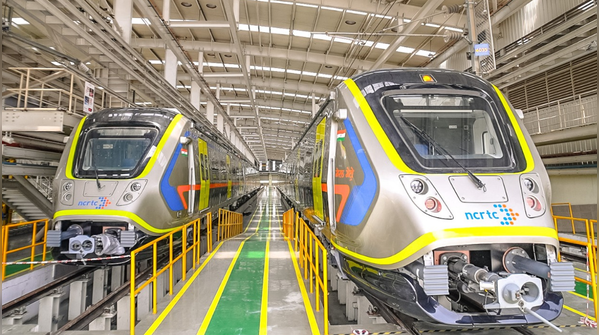
RRTS Corridor Opening
The 82 km Delhi–Ghaziabad–Meerut Rapid Rail Transit System (RRTS) corridor will officially open to the public on 22nd of February, connecting key urban hubs and significantly reducing travel time for commuters across Delhi, Ghaziabad, and Meerut.
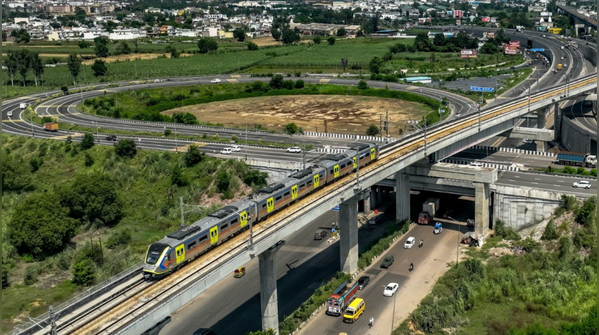
Flag-Off of Initial Trains
Two trains will commence operations from Shatabdi Nagar — one heading towards Sarai Kale Khan and another operating as the Meerut Metro. This marks the official public launch of the RRTS corridor and its modern train services.
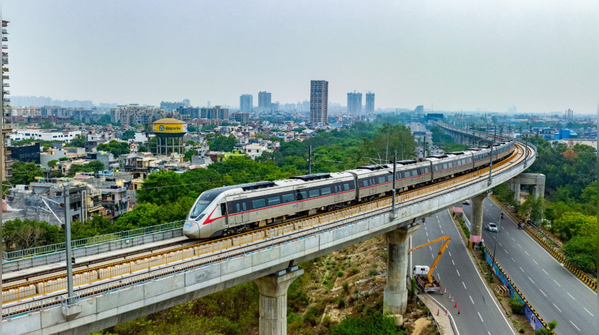
Current Operational Stretch
At present, a 55-km section of the corridor is operational, covering 11 stations from New Ashok Nagar to Meerut South. This section has been serving commuters efficiently while the remaining segment underwent trials.
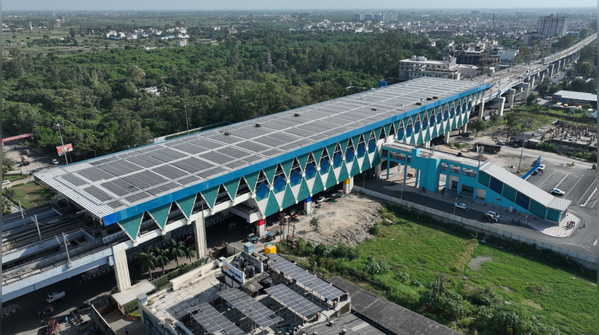
Trial Completion on Remaining Section
The remaining segment of the corridor has successfully completed trial runs in August 2025, ensuring full operational readiness. Safety and operational efficiency have been verified, paving the way for a seamless launch of the full corridor.
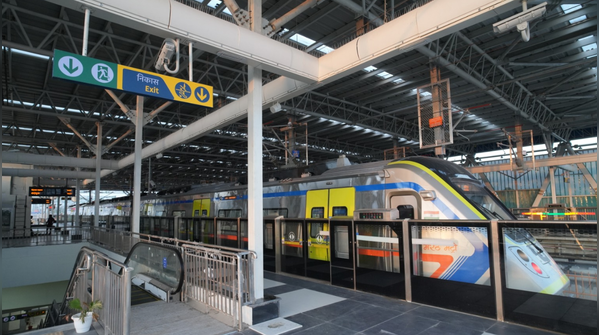
Inauguration of Key Station
The Sarai Kale Khan Namo Bharat station, one of the largest stations on the Delhi stretch, will be inaugurated. It has been ready for operations since July 2025 and will serve as a central hub for commuters.
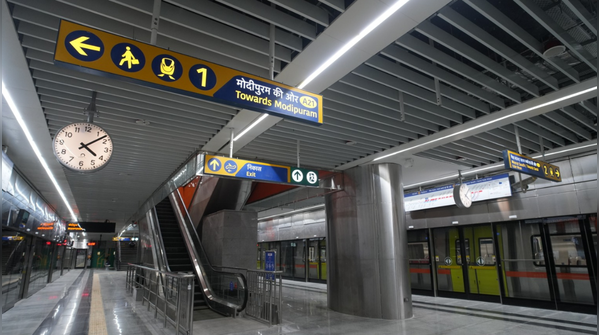
Train Frequency
Currently, the Namo Bharat trains run every 15 minutes, providing convenient connectivity. After the entire corridor becomes operational, the frequency will improve to every 10 minutes, enhancing commuter convenience and reducing waiting times.
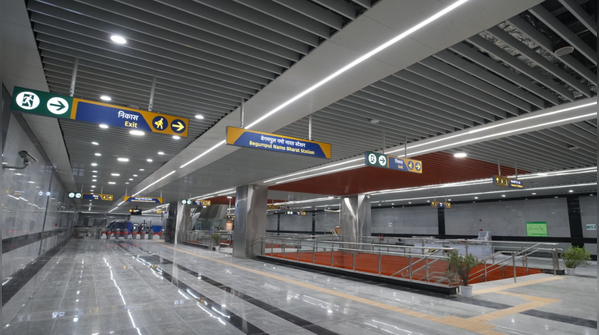
Travel Time Efficiency
Commuters can travel from Sarai Kale Khan in Delhi to Modipuram in Meerut in just 58 minutes, offering a fast, reliable alternative to traditional road transport and significantly easing travel across the region.
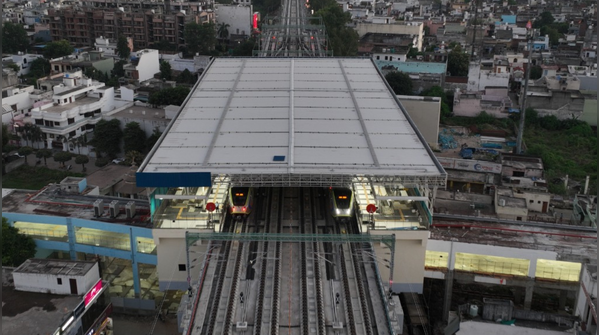
Design and Operational Speed
The RRTS trains have a design speed of 135 kmph and a maximum operational speed of 120 kmph, making this corridor one of the fastest metro-style transit systems in India, ideal for rapid intercity connectivity.
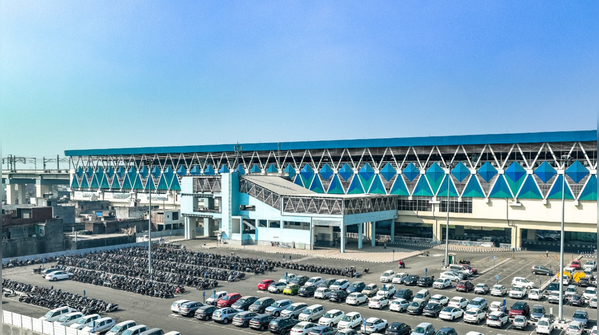
Meerut Metro Stretch
The Meerut Metro will operate on a 21 km stretch from Meerut South to Modipuram, covering 12 stations in approximately 30 minutes, providing commuters with a quick and efficient way to navigate Meerut’s urban areas.
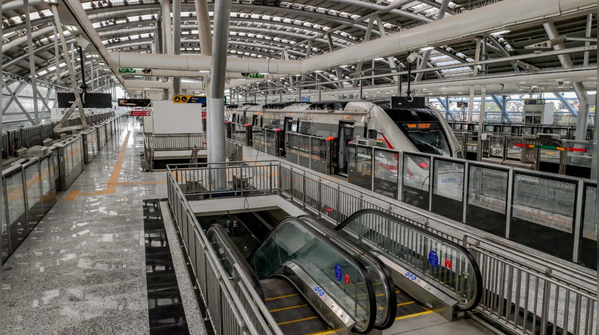
Fastest Metro System in India
With high speeds, modern infrastructure, and frequent train services, the RRTS corridor, including the Meerut Metro, is set to become the fastest metro system in the country, enhancing urban mobility and improving connectivity for thousands daily.
Featured In City

