
- News
- City News
- delhi News
- From panic buying to empty shelves: Nationwide LPG supply fears trigger chaos
From panic buying to empty shelves: Nationwide LPG supply fears trigger chaos
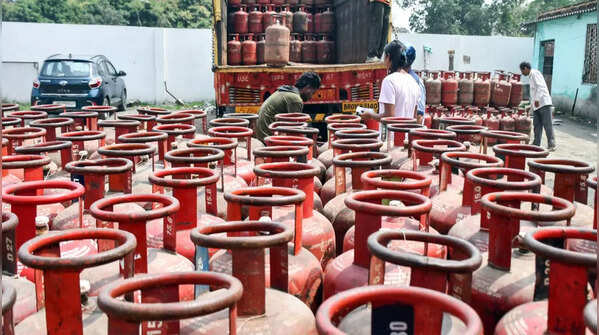
LNG and LPG supply crunch emerges
A severe crunch in liquefied natural gas (LNG) and commercial LPG supplies has begun affecting fuel availability across the country. Disruptions linked to tensions in West Asia have tightened global supply chains, creating pressure on cooking gas availability for businesses.
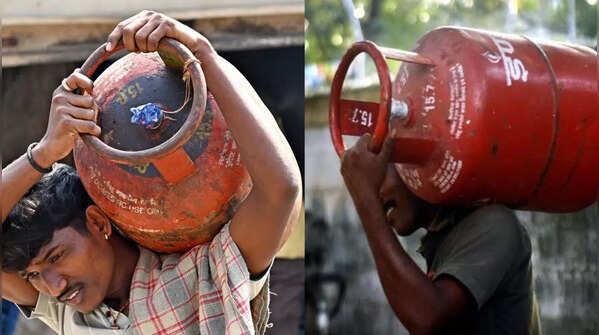
Commercial LPG supply gets tighter
Fuel availability for commercial users has started shrinking as supply disruptions ripple through the system. The impact is being felt particularly by restaurants, hotels and food businesses that rely heavily on LPG cylinders to run daily kitchen operations.
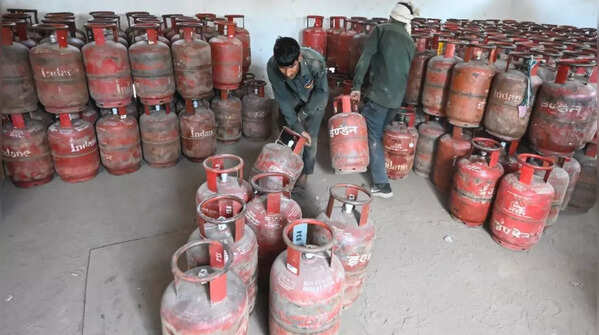
Gas supply diverted to priority use
Authorities have moved to regulate gas distribution, prioritising domestic piped natural gas for households, compressed natural gas for transport and LPG production. Industrial consumers and other sectors are facing reduced allocations to ensure essential uses remain uninterrupted.
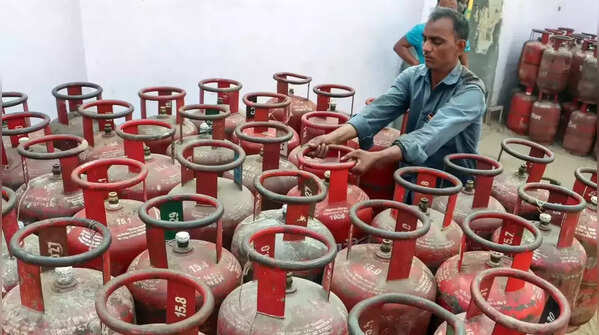
Industries face reduced gas allocation
Several industrial sectors are experiencing cuts in gas supply as part of the reallocation process. Fertiliser units and other industries are among those facing reduced availability as authorities attempt to manage limited supplies.
Small eateries struggle to continue
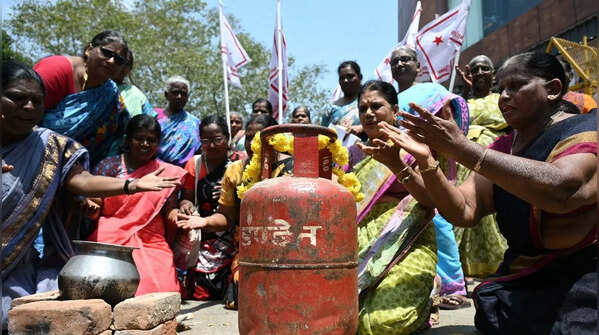
Several small eateries have reported difficulty continuing normal operations due to delayed cylinder deliveries. Many dishes require slow cooking and sustained heat, making it difficult for businesses to function without a steady supply of LPG.
Restaurants begin trimming menus
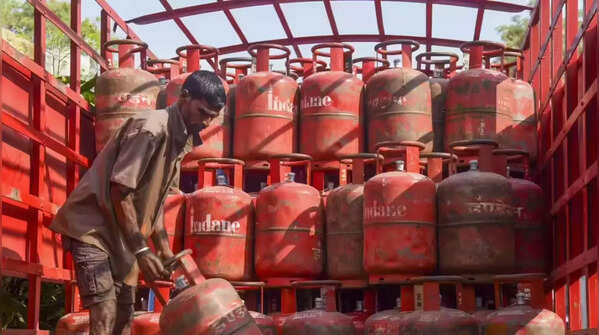
Many restaurants have started revising their menus to cope with reduced fuel availability. Gas-intensive dishes that require long heating periods are being dropped temporarily, while kitchens focus on items that consume less cooking gas.
Hotels scale back kitchen operations
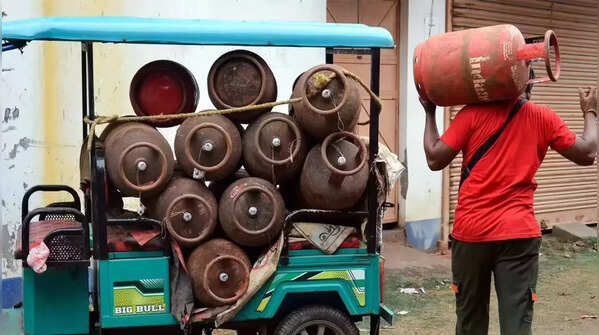
Hotels and eateries in several areas have begun scaling back operations as LPG cylinder deliveries slow down. Some establishments have partially shut kitchens, while others are operating with fewer burners to ration their remaining fuel stock.
Black marketing concerns surface
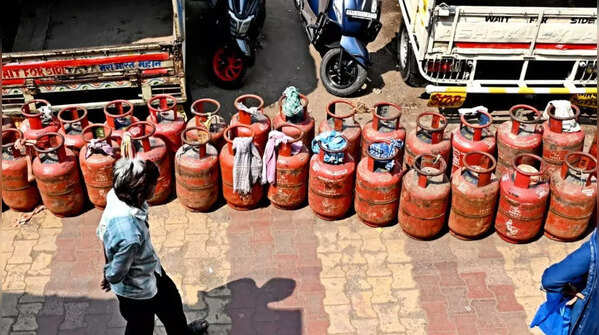
The shortage has triggered concerns over black marketing of commercial cylinders. In some places, operators have reported being asked to pay nearly double the usual price for LPG cylinders as supplies become harder to secure.
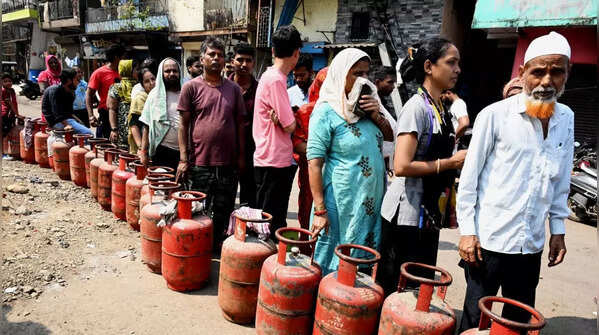
Long queues at LPG agencies
Fears of supply disruptions have led to long queues outside LPG agencies in several areas. Consumers rushed to secure cylinders amid shortage concerns, with the sudden surge in demand putting additional pressure on distribution networks.
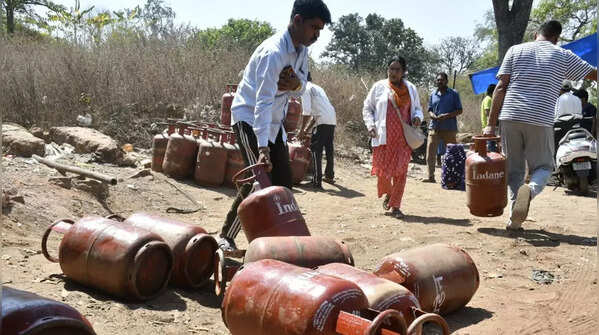
Panic buying pushes bookings higher
Fears of shortage have triggered panic buying of LPG cylinders. Bookings surged sharply within a few days, rising well above normal demand levels, further increasing pressure on the already strained supply chain.
Featured In City

