
- News
- City News
- delhi News
- Asola Bhatti Wildlife Sanctuary to host Delhi's first seed ball plantation drive
Trending
Asola Bhatti Wildlife Sanctuary to host Delhi's first seed ball plantation drive
The forest and wildlife department conducted its first drone and catapult launch of 'seed balls' at Asola Bhatti Wildlife Sanctuary on August 10. This initiative, aimed at promoting greenery in remote areas, is part of a monsoon plantation drive. Officials plan to distribute 1 lakh seed balls across Delhi, utilizing various methods including paramotors and dibbling.
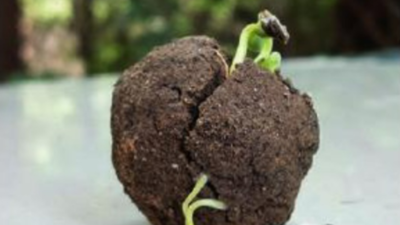
The balls have been prepared using a mixture of soil, cow dung, neem cake and trichoderma — a plant-beneficial fungus, with a seed pressed in the middle. Forest officials said the exercise would be undertaken during a mega plantation drive at Asola, along with the manual plantation of saplings.

A senior official said they had decided to use seed balls to promote greenery and ensure plantation in remote or difficult locations. The seed balls will be dumped using drone, catapult and dibbling. A fourth method, paramotor, which is like a small helicopter, is still being discussed.
“We plan to drop these seed balls using drones or catapults. At some places, we will use the dibbling method in which a small area is dug up for manually inserting the seeds. The plan is to ensure plantation in inaccessible areas like mining pits or small islands that have come up in the Yamuna,” said an official.
In the first phase, the department has decided to throw around 10,000 seed balls or tablets at the sanctuary. Seed tablets are rectangular and smaller in size and contain small seeds like guava. For seed balls, species like neem, pipal, guava and pilkhan along with some grasses have been used.
Suneesh Buxy, additional principal chief conservator of forest, said, “This progressive approach not only accelerates the natural regeneration process but also aids in preventing soil erosion and maintaining the ecological balance of the sanctuary and the ridge.”
It also serves as a model for sustainable conservation practices that can be applied in other inaccessible areas, promoting biodiversity and the overall health of the forest ecosystem, Buxy added. The seeds of indigenous trees of the ridge and a few fruit trees for fauna, especially avifauna and monkeys, are being used, he pointed out.
The forest department will carry out a survey after six months to one year to determine the survival rate. “Such a technique is being adopted globally. After shaping the mixture like a ball and pressing seeds in the middle, the balls are dried in the shade, away from direct sunlight. Once the balls are dried, they are ready for landing into forest land. Germination has already started inside,” said an official.
End of Article
FOLLOW US ON SOCIAL MEDIA



Photostories

Hot Picks
TOP TRENDING
Popular Categories
Hot on the Web
Top Trends
Hurricane MiltonRatan Tata NewsNew UPI Transaction LimitRatan Tata DiesPM ModiShantanu NaiduTom BradyStock Market TodayNarayana MurthyElection Results 2024Israel Hezbollah WarRahat Tata Inspiring QuotesManagement Colleges of IndiaTop Medical Colleges of IndiaTop Engineering Colleges of IndiaTop Pharmacy Colleges of IndiaLive Cricket Score
Trending Topics
Diwali WishesBigg Boss Tamil 8 Contestants ListBhool Bhulaiyaa 3 TrailerVettaiyan Twitter ReviewSanjay Leela BhansaliVettaiyan ReviewBigg Boss 18 House PhotoDevara CollectionBigg Boss 18Deepika PadukoneShraddha KapoorRatan Tata Passed AwayColdplayNational Film Awards 2024Swatantrya Veer SavarkarColdplay India tour 2025Watch NFL Live StreamDress To ImpressRatan Tata DeathWordle Answer
Living and entertainment
Latest News
Ratan Naval Tata: The inspiring journey of Padma Vibhushan laureate and golden-hearted business tycoonHow Chennai Night Race swerved past challenges to zoom toward a brighter motorsports futureJiiva's 'Black' censored U/A, the thriller drama to release on October 11TCS cancels Q2 earnings press conferenceSamantha Ruth Prabhu shares playtime with Chinmayi Sripaada's daughter, says 'It took her 4.5 seconds to disown her parents'Mohanlal remembers late TP Madhavan: ‘His love and affection were akin to that of a father towards me'Buy only from Sanatanis, says Akhara ParishadDiljit Dosanjh pays tribute to Ratan Tata during live show: "He lived a flawless life, always helped others"Chiranjeevi, Mahesh Babu, Jr NTR mourn the loss of Ratan Tata, calling him "giant of industry" and "beacon of humanity"How to make Ginger Turmeric Shots for seasonal changePadma Vibhushan industrialist Ratan Tata dies at 86Ratan Tata: The industry titan with a golden heartAtishi bungalow row: AAP says BJP has anti-women mindsetManifesting with the 10/10 Portal: Zodiac-based guide for 2024Why are the CEOs of most luxury brands stepping down?9 proven techniques for fastest weight lossICC Women's T20 World Cup: Harmanpreet Kaur, Smriti Mandhana, bowlers demolish Sri Lanka as India get NRR boostRatan Tata no more: When his throwback pic had netizens saying he looked like a Hollywood star
Copyright © 2024 Bennett, Coleman & Co. Ltd. All rights reserved. For reprint rights: Times Syndication Service