
- News
- City News
- delhi News
- Delhi’s 400-year-old Barapullah Bridge to reopen after major restoration
Delhi’s 400-year-old Barapullah Bridge to reopen after major restoration
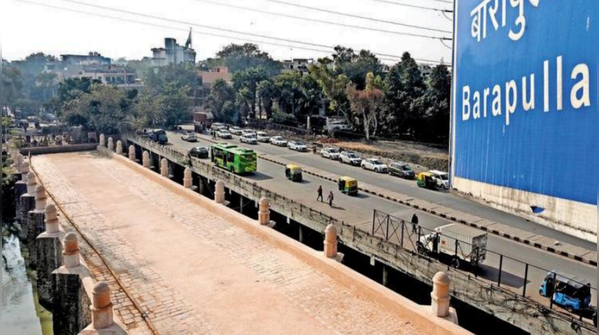
Historic Bridge Set to Reopen
After decades of neglect and encroachment, the 17th-century Barapullah Bridge near Nizamuddin will reopen to the public by February. The reopening follows an extensive conservation exercise by the Archaeological Survey of India (ASI), aimed at preserving its structural integrity and historical significance.
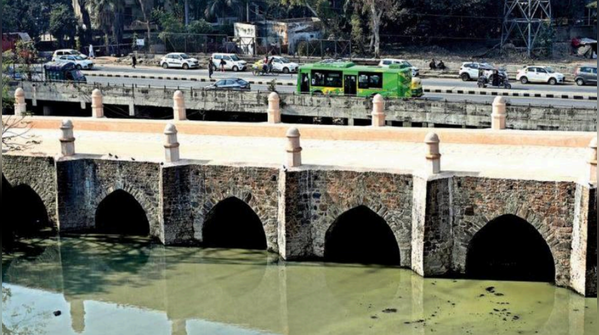
Pedestrian Access Only
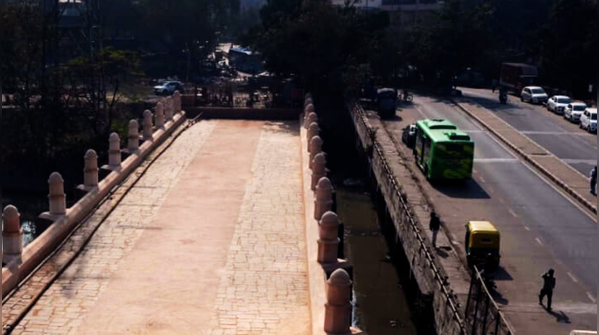
Even after reopening, the bridge will remain pedestrian-only, with vehicles permanently barred. Iron gates installed at both ends will regulate access, ensuring that visitors can enjoy the monument safely while protecting its centuries-old structure from further damage and misuse.
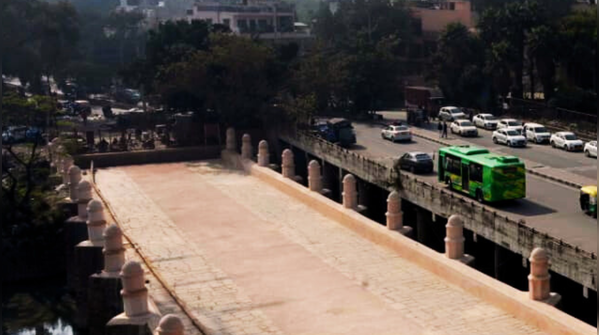
Conservation Work Nearly Complete
The ASI has completed most of the structural conservation, with only minor masonry and finishing touches remaining. Experts confirm that the bridge is largely intact, and the remaining work, expected to take around two weeks, will ensure that the monument is fully restored for public use.
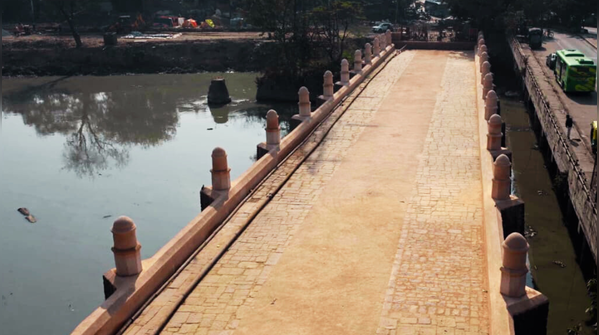
Clearing Long-Standing Encroachments
One of the toughest parts of the restoration involved removing decades-old encroachments. Unauthorized vendors and dumping around the monument had caused significant damage. Over 120 illegal sellers were cleared in 2024, allowing the ASI to secure the bridge and begin the conservation process properly.
Structural Restoration Measures
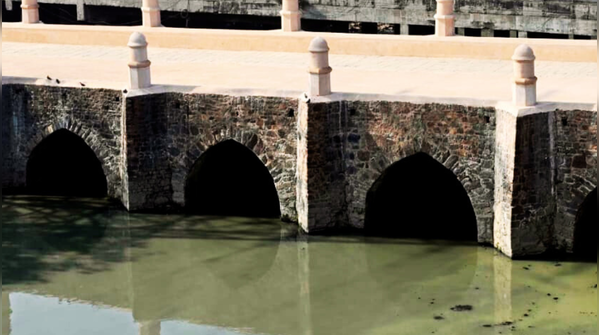
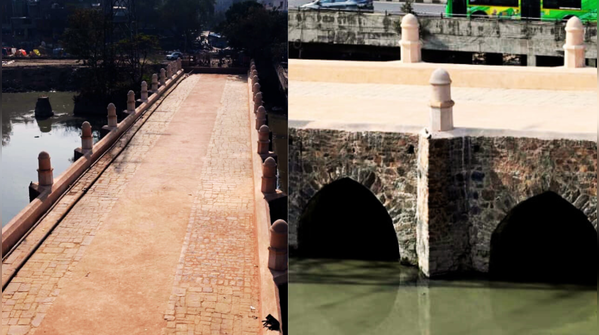
The restoration addressed partially damaged sections of the bridge, including debris-covered protective walls and compromised piers. Mechanical interventions removed over 600 cubic metres of bituminous surface and 1,500 cubic metres of old plaster, ensuring that the bridge’s original structure could be preserved for future generations.
Use of Traditional Techniques
ASI restored the bridge using traditional materials and techniques, including random rubble masonry and lime mortar mixed with natural binders such as gur, bel giri, and gum. These methods maintained the bridge’s historical authenticity while ensuring its long-term durability.
Coordination Among Agencies
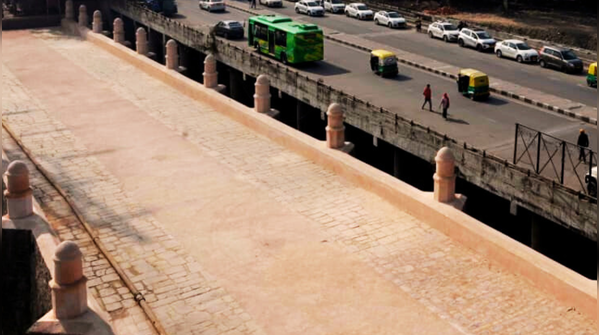
While ASI handled structural conservation, other agencies managed cleaning and landscape development around the bridge. Officials emphasise that heritage preservation works best through coordination, with multiple stakeholders collaborating to maintain both the monument and its surrounding environment.
Architectural Significance
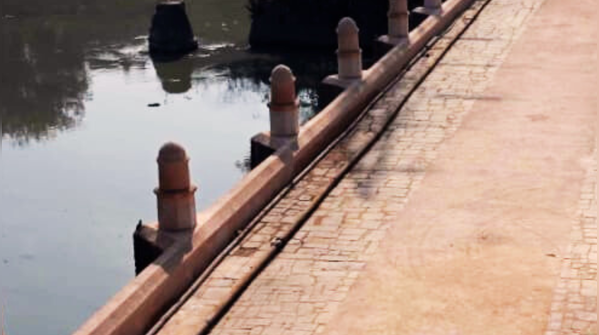
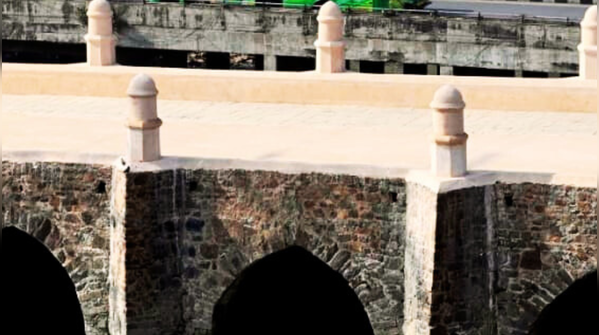
Barapullah Bridge spans 195 metres and is 14 metres wide, featuring 11 arched spans supported by 12 piers, each topped with a two-metre-high minar. Its design reflects Mughal engineering brilliance, giving the bridge its name, which literally means “12-pillared bridge.”
Historical Importance
Built in 1621-22 under the patronage of a senior Mughal court official, the bridge once served as a key crossing for rulers travelling between Agra and Delhi. It connected important landmarks such as Nizamuddin Dargah and Humayun’s Tomb and was considered one of the finest bridges of its era.
Heritage Reclaimed for Public
The reopening of Barapullah Bridge marks a significant step in reclaiming Delhi’s built heritage. Once neglected and misused, the monument will now be accessible to the public, offering a glimpse of Mughal architecture while preserving a historically important structure for future generations.
Featured In City

