
- News
- City News
- delhi News
- Delhi-NCR’s next big makeover: 8 new townships, superfast trains and heli-taxis for 30-minute connectivity
Delhi-NCR’s next big makeover: 8 new townships, superfast trains and heli-taxis for 30-minute connectivity
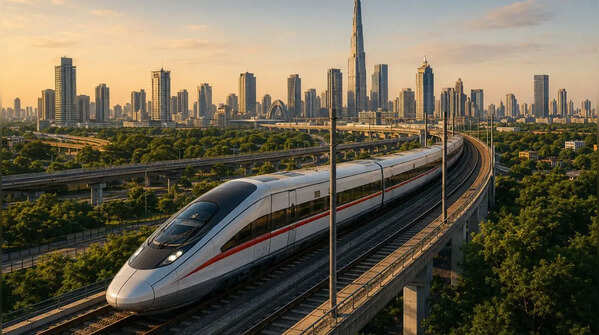
Big vision for a bigger NCR
The Regional Plan 2041, set to be adopted by the NCR Planning Board next week, lays out a sweeping vision to reshape Delhi-NCR’s future. At its core is the idea of a “30-minute NCR”, promising drastically reduced travel times across cities. The plan aims to decongest Delhi while preparing the region for explosive population growth. High-speed transport, new townships and massive infrastructure investment form its backbone. (AI-generated image used for representational purposes)
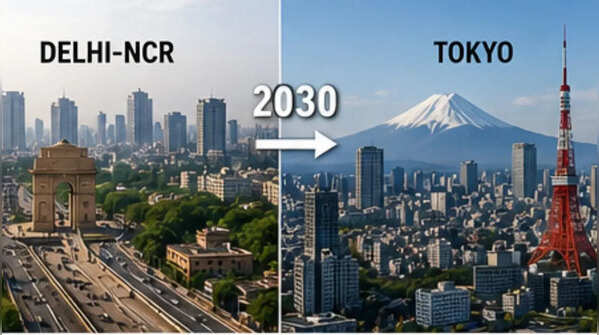
NCR set to overtake Tokyo
The plan notes projections that Delhi-NCR will replace Tokyo as the world’s most populous urban agglomeration by 2030. Over the next 15 years, the region is expected to accommodate more than three crore additional people. This demographic surge is driving the urgency behind large-scale planning. Authorities say infrastructure upgrades must match this unprecedented growth. (AI-generated image used for representational purposes)
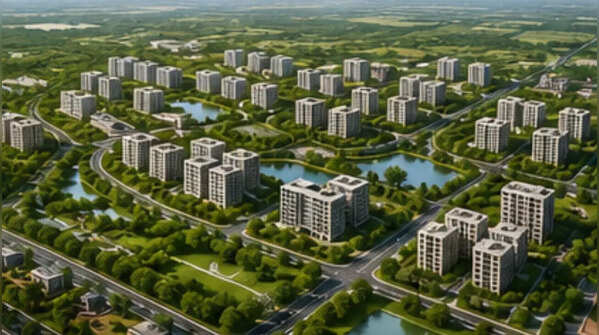
New townships to ease Delhi’s burden
To reduce pressure on Delhi, the plan proposes developing five to eight new greenfield townships. These settlements will come up in UP, Haryana and Rajasthan sub-regions based on economic potential. Alongside this, brownfield redevelopment of existing settlements is also planned. The idea is to create self-sufficient urban centres rather than dormitory towns. (AI-generated image used for representational purposes)
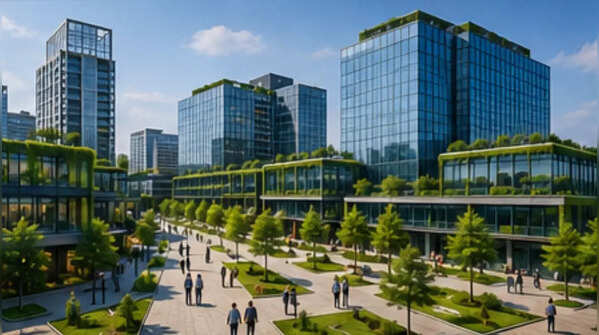
Smart cities modelled on auric
All new townships—greenfield or redeveloped—are proposed to have modern, smart civic infrastructure. The plan cites Auric, the Aurangabad Industrial City under the Delhi–Mumbai Industrial Corridor, as a model. Digital services, efficient utilities and planned mobility form the template. The goal is to avoid unplanned sprawl seen in older NCR towns. (AI-generated image used for representational purposes)
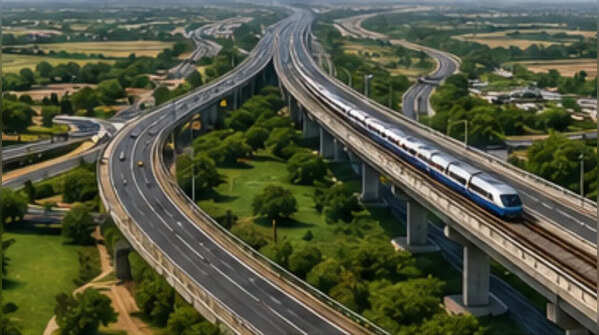
Expressways and orbital rail network
The plan envisages growth nodes along existing and proposed expressways, orbital rail corridors and transit routes. These corridors will guide where new townships and extensions of cities come up. Transit-oriented development will be the guiding principle. Connectivity, rather than proximity to Delhi alone, will drive urban expansion. (AI-generated image used for representational purposes)
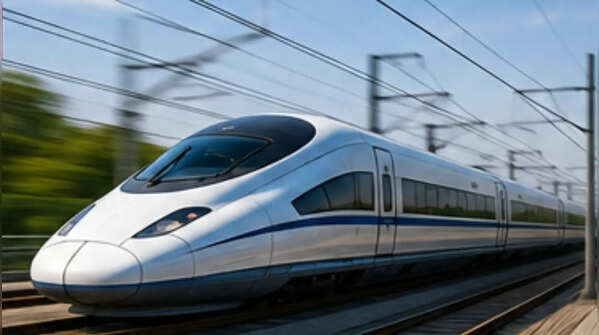
Superfast trains for 30-minute travel
A key proposal is to bring travel time across NCR under 30 minutes through superfast trains. The plan talks about limited-stop, high-quality mass transit rail systems connecting NCR boundaries to Delhi. Within the region, journeys of up to 60 minutes by other trains are also envisioned. Faster mobility is seen as critical to economic integration. (AI-generated image used for representational purposes)
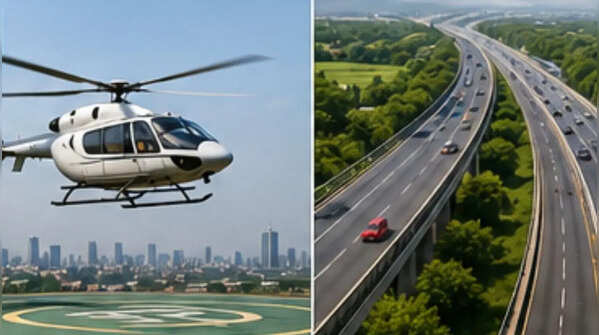
Heli-taxis and multi-modal mobility
In addition to rail, the plan suggests heli-taxis as part of high-speed connectivity. Road travel within NCR is projected to take 2–3 hours, supported by upgraded expressways. Multi-modal transport options aim to give commuters flexibility. The emphasis is on reducing time lost in daily travel. (AI-generated image used for representational purposes)
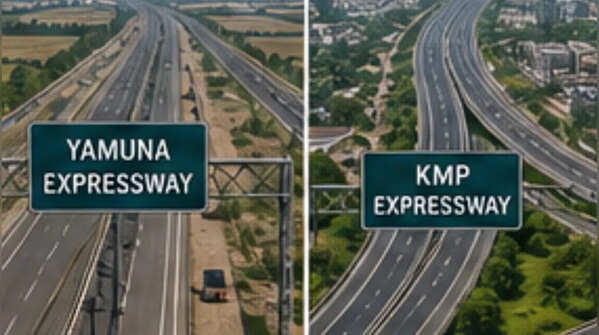
Greenfield cities already in pipeline
The plan takes note of Uttar Pradesh’s proposal to develop the Yamuna Expressway Industrial Development Area as a greenfield city for 20 lakh people. Haryana’s plans to develop areas around the KMP Expressway and Western Peripheral Expressway as ‘Panchgrams’ are also acknowledged. These will be detailed further in sub-regional plans. Together, they form early building blocks of the larger NCR strategy. (AI-generated image used for representational purposes)
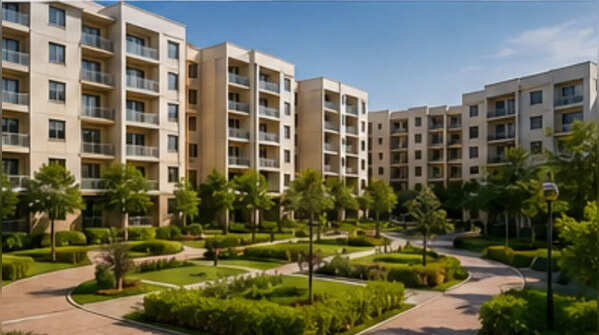
Housing push within institutions
To tackle housing demand, institutions across NCR are encouraged to build residential facilities within their campuses. The plan suggests allowing 15–20% of institutional land for housing use. This includes apartments, hostels and transit accommodation. The move aims to cut commuting distances and reduce pressure on city housing stock. (AI-generated image used for representational purposes)

Rs 20 lakh crore price tag
Accommodating future population growth and upgrading infrastructure will require an estimated investment of over ₹20 lakh crore. This includes transport, housing, civic amenities and utilities. Authorities say coordinated action by NCR states is essential. The success of the 30-minute NCR vision hinges on timely execution and sustained funding. (AI-generated image used for representational purposes)
Featured In City

