
- News
- City News
- delhi News
- Chandra Grahan 2026: ‘Blood Moon’ total lunar eclipse — timings, duration and more
Chandra Grahan 2026: ‘Blood Moon’ total lunar eclipse — timings, duration and more
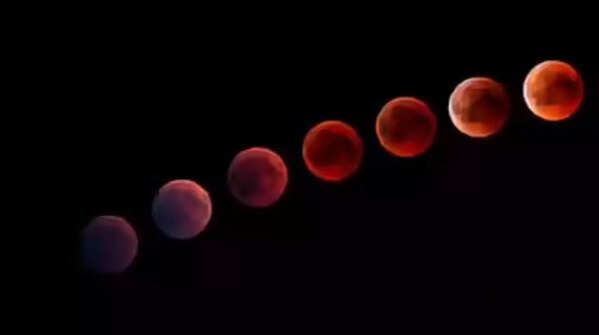
First lunar eclipse of 2026
The first lunar eclipse of 2026 will occur on Tuesday, coinciding with Holi celebrations. The celestial event marks one of the biggest astronomical highlights of the year, drawing attention from skywatchers and astronomy enthusiasts across India.
Date and complete timings
The eclipse will begin at 3:20 PM IST. The totality phase starts at 4:34 PM and ends at 5:33 PM. The entire eclipse concludes at 6:47 PM, lasting over three hours. However, visibility in India largely begins around moonrise in the evening.
What is a total lunar eclipse?
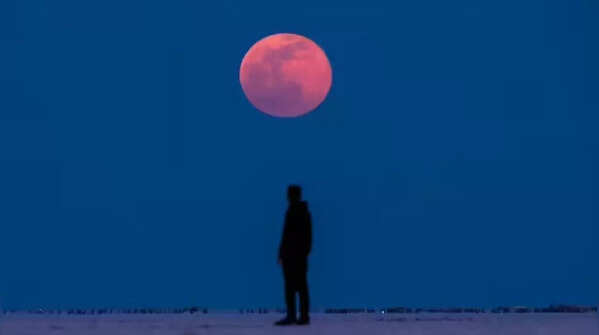
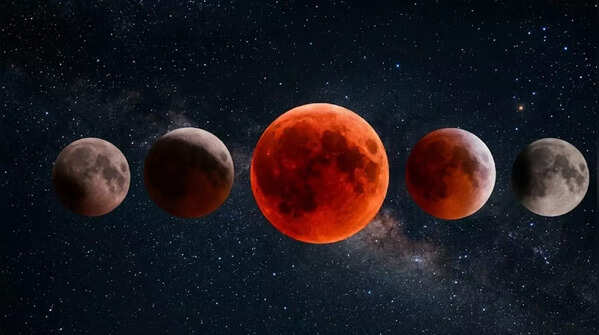
A total lunar eclipse occurs when the Sun, Earth and Moon align in a straight line, and the Moon passes completely into Earth’s umbral shadow. Unlike a solar eclipse, it can be safely viewed with the naked eye without special filters.
Blood moon phenomenon explained
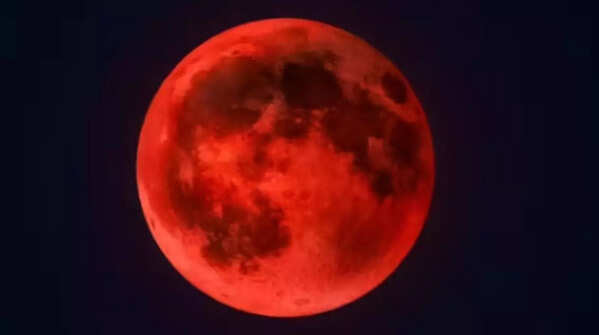
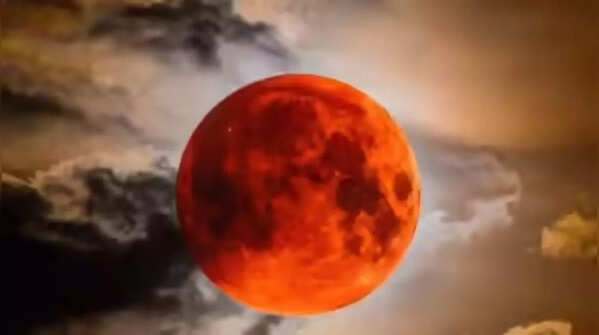
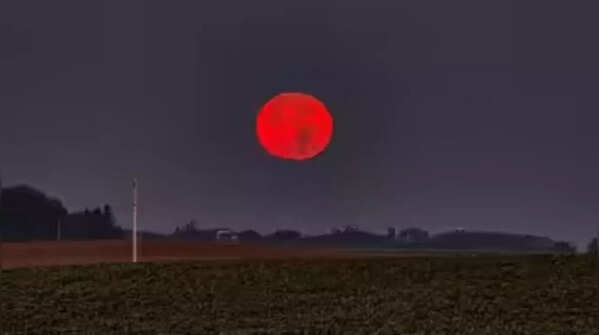
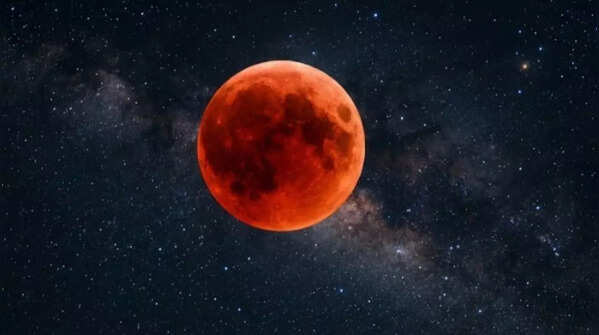
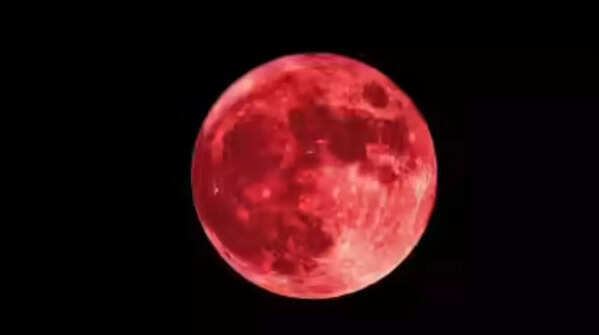
During totality, the Moon may turn reddish, popularly called a “Blood Moon.” This happens because sunlight bends through Earth’s atmosphere, filtering out blue light and casting red wavelengths onto the Moon’s surface.
Spiritual significance and traditional observances
In India, the lunar eclipse or Chandra Grahan holds religious importance. Many observe Sutak Kaal before the eclipse, engage in prayers, meditation and mantra chanting.
Visibility across India and regions
Since the eclipse begins before moonrise, most places in India will see only the closing stages. North-East India and Andaman & Nicobar Islands may witness the end of totality, while eastern cities could get a longer viewing window.
Why many will miss full totality
Because the dramatic total phase occurs in the late afternoon, much of India will miss the deepest red stage. Observers will mostly see the Moon emerging from Earth’s shadow shortly after sunset, marking the eclipse’s final act.
Impact on major cities
Cities like Delhi, Mumbai and Bengaluru are expected to see only a partial eclipse. In Kolkata and parts of eastern India, viewers may get around 30–60 minutes of visibility after moonrise before the eclipse ends at 6:47 PM.
Featured In City

