
- News
- City News
- delhi News
- Delhi: At partition museum, undivided attention to past
Trending
This story is from April 6, 2021
Delhi: At partition museum, undivided attention to past
: A pre-Independence electricity meter from Lahore, a refugee card, sewing machine, hand-crocheted item given as a gift in 1942 and a land deed for property in Jhang, Punjab, from 1918.
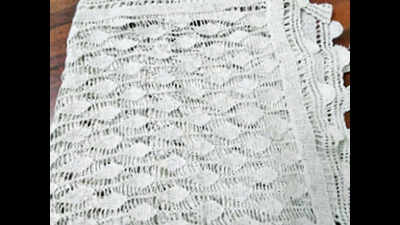
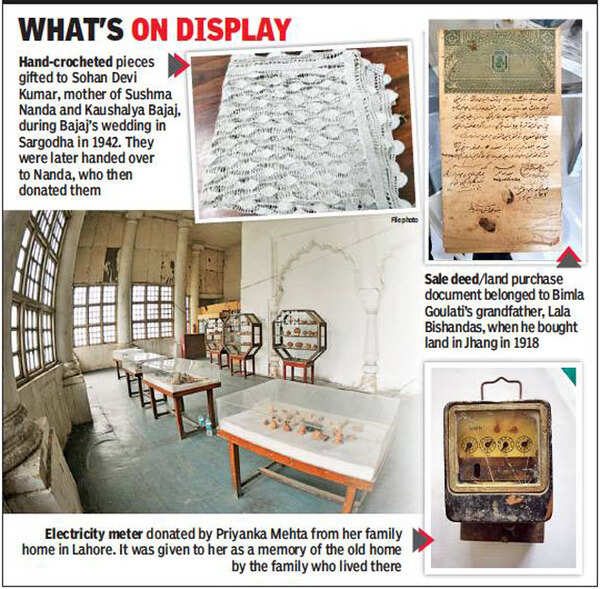
Hand-crocheted pieces gifted to Sohan Devi Kumar, mother of Sushma Nanda and Kaushalya Bajaj, during Bajaj’s wedding in Sargodha in 1942. They were later handed over to Nanda, who then donated them
These and many items and documents will be on display at the Dara Shikoh Library in Ambedkar University Delhi, where three museums are likely to come up before August 15.

To mark the 75th year of India’s independence, a Partition museum will be the first at the Mughal-era library currently under conservation by Indian National Trust for Art and Cultural Heritage (Intach). On March 15, an MoU was signed for the Dara Shikoh Library building under the “Adopt a Heritage: Apni Dharohar, Apni Pehchaan” project.
The project will be implemented by a consortium that includes the Union tourism ministry, Delhi government’s department of art, culture and language and private entities Monument Mitras, The Arts and Cultural Heritage Trust (TAACHT) and Museum & Arts Consultancy (MAC).
According to Kishwar Desai, chair of TAACHT, “The museum will be call Daastaan-e-Dilli and will cover everything that has happened in Delhi at different times though the focus is on the heritage of the building as it is both a colonial and a
Mughal structure.”
The library, built in 1643 and named after Dara Shikoh, the eldest son of Emperor Shah Jahan who eventually killed in a battle for power by his brother and later emperor Aurangzeb, is located on AUD’s Kashmere Gate campus. The structure has a dual design, with Mughal features in the interior and British features installed by British officer David Ochterlony who used it as his residence.
Desai said, “The Partition museum will be a people’s museum and narrate the stories of the people and how they were affected by the 1947 division. We will have items, objects and documents collected from people as well as their oral history records. We will also have official records to show thepost-1947 changes in Delhi.”
One of such items is an electricity meter from a home in Lahore donated by Priyanka Mehta. “When Mehta visited her old family house in Pakistan, the current owners had kept the metre after the house was renovated as a memento for anyone coming from across the border,” said Desai. “The device will be kept in the museum to show that despite the Partition, people on either side continue to visit their historical family homes and are met with affection.”
Another interesting item is a sale deed/land purchase document that was signed by Bimla Goulati's grandfather, Lala Bishandas, when he bought land in Jhang in 1918. “The refugees brought very few things with them and we are very grateful to people gifting us these precious memories,” said Desai.
The second museum will relate to Dara Shikoh, his writings, his translation of the Upanishads and, since he was a Sufi believer, something on Sufi heritage of Delhi. The third museum will focus on the antiquities and sculptures related to Delhi gifted by Delhi’s department of archaeology.
End of Article
FOLLOW US ON SOCIAL MEDIA



Photostories

Hot Picks
TOP TRENDING
Popular Categories
Hot on the Web
Top Trends
Russell WilsonsMohammed ShamiTom BradyRishabh PantShantanu NaiduUGC NET ResultNobel Peace PrizeMahadev Betting AppNew UPI Transaction LimitRatan Tata DiesCBSE Class 10 12 Practical ExamPopular Schools in Navi MumbaiManagement Colleges of IndiaTop Medical Colleges of IndiaTop Engineering Colleges of IndiaTop Pharmacy Colleges of IndiaLive Cricket Score
Trending Topics
Diwali WishesDussehra 2024 QuotesDussehra WishesVettaiyan OTT ReleaseVettaiyan CollectionVettaiyan ReviewNatasa StankovicDevara CollectionBigg Boss 18Deepika PadukoneShraddha KapoorRatan Tata Passed AwayJigra Movie ReviewVettaiyan Movie ReviewSwatantrya Veer SavarkarDussehra 2024Elon MuskDussehra Whatsapp StatusUltimate Football Codes October 2024Wordle Answer
Living and entertainment
Latest News
Internship scheme: 193 companies post over 90,000 slots on portalApplications for new power connections among services moved exclusively onlineInfosys to no longer send job offer letters and attachments, the company will ...Sara Arfeen Khan opens up about converting to Islam; says, 'I read all holy books and attended a lot of religious debates before converting'Amitabh Bachchan, Rambha, Khushboo and others check in on Govinda after gun misfire incident - ExclusiveCops on unusual hunt: For denturesDiscover 8 animals that suck blood for survivalHappy Dussehra 2024: Top 50 Wishes, Messages, Images and Quotes to Share with Your Loved OnesFortified-food plan faces questions from two PM panel membersCould Tyreek Hill Return to the Chiefs? Cryptic Posts Fuel Trade SpeculationWith special access card, disabled people can skip Exposition queuesForex reserves drop $3.7 billion in week, most since start of AugustAshton Kutcher and Mila Kunis consider leaving Hollywood amid Sean 'Diddy’ Combs' arrest fallout: ReportHow Green is your car?Robert Gronkowski Reacts to His Hilarious Impression in FX's American Sports Story: Aaron HernandezIf Rahul Gandhi fails to deliver, INDIA bloc may make LoP post rotational: BJP‘Kallanum Bhagavathiyum’: The Vishnu Unnikrishnan and Mokksha starrer is set to get a sequelAlia Bhatt, Bipasha Basu, Rhea Chakraborty and others seek blessings at Kajol and Rani Mukerji's Durga Puja pandal - See photos
Copyright © 2024 Bennett, Coleman & Co. Ltd. All rights reserved. For reprint rights: Times Syndication Service