
- News
- City News
- dehradun News
- 1st study of Kumaon’s largest glacier begins
Trending
This story is from November 30, 2023
1st study of Kumaon’s largest glacier begins
Scientists at GB Pant National Institute of Himalayan Environment in Almora started studying Kumaon’s Milam Glacier, second largest in the state after Gangotri Glacier, to know changes on the glacier due to global warming. The study aims to predict the impact of climate change and list precautionary measures. The glacier, situated 61km from Munsiyari, stands 4,250 metres above sea level and is the origin of the river Gori Ganga. The research will focus on glacier retreat, river flow changes, rate of melting, water level impact, glacier shifting, and climate change impact in Kumaon region.
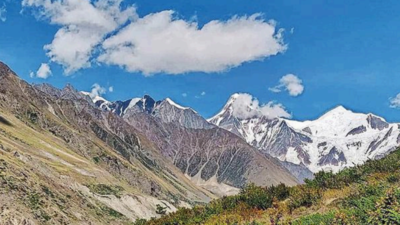
Milam Glacier is situated 61km from Munsiyari. It stands 4,250 metres above sea level and river Gori Ganga, a tributary of the river Kali, originates from here
Scientists at GB Pant National Institute of Himalayan Environment in Almora started studying Kumaon’s Milam Glacier, second largest in the state after Gangotri Glacier.
Scientists started the study to know changes on the glacier due to global warming so that the impact of climate change can be predicted and precautionary measures can be listed.

Milam Glacier, the largest glacier in Kumaon, is situated 61km from Munsiyari. It stands 4,250 metres above sea level and river Gori Ganga, a tributary of the river Kali, originates from Milam. Recently, scientists visited the spot and collected necessary information about the glacier.
“Scientists started a study into the matter for the first time. Whatever equipment is required to collect precise data will be provided by the institute,” said institute director Sunil Nautiyal.
The team is focusing on how much the glacier is retreating and how the river’s flow is changing here. The study will also include the rate of glacier melting, effect on water level of rivers, how much the glacier has shifted since formation, and impact of climate change in Kumaon region, among other things. Previous research on the area suggested the Milam Glacier is melting.
The research paper claimed the surface height of Milam Glacier is decreasing annually and expressed concern.
We also published the following articles recently
Melting glaciers endanger mountain villages in Pakistan
Pakistan's vulnerable villages in the mountainous north are facing a threat to their future due to melting glaciers caused by global warming. The villages are increasingly under threat from unstable lakes formed by melting glacier ice. When glacial lakes overfill or their banks become unsound, they burst, causing deadly floods that wash out bridges, buildings, and fertile land. The Himalayan glaciers are projected to lose up to 75 percent of their ice by the end of the century. The villages urgently need increased support to adapt to the threats of glacial lake floods.
Pakistan's vulnerable villages in the mountainous north are facing a threat to their future due to melting glaciers caused by global warming. The villages are increasingly under threat from unstable lakes formed by melting glacier ice. When glacial lakes overfill or their banks become unsound, they burst, causing deadly floods that wash out bridges, buildings, and fertile land. The Himalayan glaciers are projected to lose up to 75 percent of their ice by the end of the century. The villages urgently need increased support to adapt to the threats of glacial lake floods.
Study reveals effect of climate change on human brain
A report published in Nature Climate Change explores how climate change affects human brain function and calls for research on the impact of extreme weather events. Factors such as air pollution, access to nature, and stress related to climate change can have profound effects on the brain. Previous research has shown that changing environmental factors can affect brain development and plasticity in both mice and humans, particularly in cases of poverty. The authors emphasize the need for research on how heatwaves, droughts, hurricanes, forest fires, and floods can alter brain structure and health. They also highlight the role of neuroscience in understanding and addressing climate change.
A report published in Nature Climate Change explores how climate change affects human brain function and calls for research on the impact of extreme weather events. Factors such as air pollution, access to nature, and stress related to climate change can have profound effects on the brain. Previous research has shown that changing environmental factors can affect brain development and plasticity in both mice and humans, particularly in cases of poverty. The authors emphasize the need for research on how heatwaves, droughts, hurricanes, forest fires, and floods can alter brain structure and health. They also highlight the role of neuroscience in understanding and addressing climate change.
End of Article
FOLLOW US ON SOCIAL MEDIA










Photostories

Hot Picks
TOP TRENDING
Popular Categories
Hot on the Web
Top Trends
Baba Siddique Death News LiveRussell WilsonsBaba Siddique DeathMickey ArthurWho was Baba SiddiqueVirat KohliUGC NET ResultMahadev Betting AppAmazon LayoffsRatan Tata DiesCBSE Class 10 12 Practical ExamPopular Schools in Navi MumbaiManagement Colleges of IndiaTop Medical Colleges of IndiaTop Engineering Colleges of IndiaTop Pharmacy Colleges of IndiaLive Cricket Score
Trending Topics
Diwali WishesDussehra 2024 QuotesDussehra WishesVettaiyan OTT ReleaseVettaiyan CollectionVettaiyan ReviewNatasa StankovicDevara CollectionBigg Boss 18Deepika PadukoneShraddha KapoorRatan Tata Passed AwayJigra Movie ReviewVettaiyan Movie ReviewSwatantrya Veer SavarkarDussehra 2024Elon MuskDussehra Whatsapp StatusUltimate Football Codes October 2024Wordle Answer
Living and entertainment
Latest News
New Zealand pile pressure on India after routing Sri Lanka'Promotion of players by agents...': Mickey Arthur criticizes PCB, media for team's declining performancesSena vs Sena: Dusshera rallies in Mumbai turn political as Shinde, Uddhav take aim at each otherUS carries out airstrikes in Syria to avert Isis attack on American soilExclusive: Aishwarya Khare recalls his childhood memories of Dussehra, says 'my father used to take us all to watch Ram Leela and Ravan Dahan'Can a dash of cinnamon in your coffee speed up belly fat loss?Punjab NEET UG Counselling 2024: Round 3 provisional merit list out, steps to checkManasi Parekh celebrates National Award win with husband Parthiv Gohil: “What a year it’s been!”Roblox dismisses claims made by Hindenburg report: "...don't support their agenda"RSS chief Mohan Bhagwat: Hindus must take lessons from Bangladesh violenceTapSwap Daily Codes for October 13, 2024: Earn coins and cryptocurrency by completing tasksPapankusha Ekadashi 2024: Date, Parana Time, Puja Rituals and Significance'HanuMan' director Prasanth Varma reveals 'difference of opinion' with Ranveer Singh, hints at future collaborationETimes Pic of the day: When Indrajith Sukumaran bumped into Mukesh Ambani at a traffic signalDid you know NTR is the only actor to play both Lord Rama and Ravana?Leo, Daily Horoscope Today, October 13, 2024: Keep your plans and strategies to yourselfHurricane Milton triggers EF-3 Tornado in Florida's Palm Beach County, leaving seven injured'Ab ki baar 300 paar': Fans go crazy as India pile up 297 against Bangladesh
Copyright © 2024 Bennett, Coleman & Co. Ltd. All rights reserved. For reprint rights: Times Syndication Service