
- News
- City News
- chennai News
- Tamil Writer Tamil Selvan on Sahitya Akademi Award Controversy, CPM History, and Anti-Caste Movements
Trending
Tamil Writer Tamil Selvan on Sahitya Akademi Award Controversy, CPM History, and Anti-Caste Movements
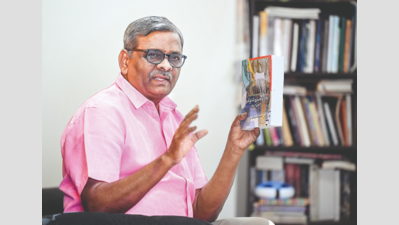
Writer S Tamil Selvan
| 'Autonomy of Sahitya Akademi is at stake' In Dec, the Sahitya Akademi cancelled a press conference to announce its annual literary awards following a directive from the Union ministry of culture. The Akademi, an autonomous body under the ministry, was to make the announcement after a meeting of its executive board, which had cleared the list of awardees. Minutes before the press conference was to begin, the Akademi was asked to defer the announcement, sources said. The ministry raised concerns about the award selection process and sought time to review the names. While members of the Akademi’s executive board reportedly objected, the award ceremony stands deferred. A list of awardees has since been circulated on social media. “The reason given for cancelling the announcement was that the Akademi signed an MoU with the ministry that calls for a ‘restructuring of awards’. This applies not just to Sahitya Akademi but also to Lalit Kala Akademi, Sangeet Natak Akademi and the National School of Drama. This move appears to curtail the Akademi’s independence. This is not merely a writer’s problem. What is at stake is the autonomy of Sahitya Akademi, an institution founded under Jawaharlal Nehru. That is what we should be questioning,” says Tamil Selvan. As to the allegation that whenever the Sahitya Akademi award for Tamil is announced, a Left-leaning jury favours members of the TNPWAA, Tamil Selvan says that since 1954, 64 Tamil writers have received the Sahitya Akademi award. “Of these, only 13 can be described as Left-oriented. Among them, barely five writers were directly associated with the TNPWAA.” Criticism of Left-leaning writers, he adds, dates to the time of Tamil writer and critic Ka Naa Subramanyam. “While reviewing a short story by Krishnan Nambi, he remarked that ‘Krishnan has written some good short stories, but I am not prepared to accept him as a good writer because his mind is filled with progressive darkness’. Such allegations from traditional anti-Marxist groups have always existed. After all, even Pudhumaipithan never got the Sahitya Akademi award.” |
You Can Also Check: Chennai AQI | Bank Holidays in Chennai | Gold Rate Today in Chennai | Silver Rate Today in Chennai
End of Article
Follow Us On Social Media

Hot Picks
Top Trending
Tired of too many ads?go ad free now
Trending Stories
In City
Entire Website
- 'Can’t go, water is cold': How delivery agent swam through freezing waters to search for Noida techie; ‘rescuers’ sat idle
- Mumbai Mayor Selection Live Updates: CM Devendra Fadnavis in Davos, Shinde faction corporators huddled at hotel as suspense grows over top BMC post
- Bengaluru dashcam horror: Man pulls out knife, threatens family in car after spat; held
- MNS defiant: Raj Thackeray tells corporators to turn municipal houses into ‘battlegrounds’; vows to ‘bury the rulers’
- Delhi's great vehicle exit: 8 lakh certificates issued in 4 years; only 82k took NOCs from govt by 2021-22
- Mumbai’s water supply to be affected for 3 days from Jan 20 to Jan 22
- Manipur unrest horror: Teen abducted, handed to armed group, gangraped, dumped in creek; dies as FIR remains pending
- Who will be Mumbai mayor? Suspense grows as Shiv Sena eyes first 2.5-year term; Uddhav Thackeray pushes ‘dream’ pitch
- Tata Mumbai Marathon: Record 65,000 runners turn city roads into running track
- "Cannot disclose, time will answer": DK Shivakumar on meeting with Congress high command
- Bill Belichick lands new ESPN role as North Carolina looks ahead after 4–8 season
- MLB trade rumors: New York Mets might acquire $10 million Philadelphia Phillies star to bolster team before deadline
- Patrick Mahomes injury update: Chiefs urged to slow down QB’s’ comeback after ACL tear
- Donna Vekic net worth: Closer look at her career earnings, sponsorships, and rise on tour
- Tampa Bay Lightning’s Andrei Vasilevskiy Becomes Sixth Goaltender in NHL History With 10 Straight 20-Win Seasons
- Nathan MacKinnon’s lifestyle: Details on his car collection, home, earnings, and luxury assets
- Matthew Stafford’s wife and four daughters wow Chicago crowds with synchronized Rams fashion flair
- Jaxson Dart and Marissa Ayers make a stylish public appearance at NHL game as Giants' rookie embraces the spotlight
- T20 WC Participation: ICC yet to response after BCB refuses to play in India
- What is Rhamondre Stevenson’s current net worth? From rookie deal to big extension – full breakdown of his NFL earnings, contracts and more
Tired of too many ads?go ad free now



Explore Every Corner
Across The Globe
Oklahoma City Thunder vs Cleveland CavaliersBill BelichickBen JohnsonWashington Wizards vs Los Angeles ClippersDarius GarlandDonovan MitchellMLK DayRoger FedererScottie Pippen Ex WifeRussell Westbrook Net WorthMLB Trade RumorsMichael JordanPatrick Mahomes InjuryAndre Agassi and Steffi Graf Net WorthTyreek HillMatthew Stafford WifeNHL Trade RumorsBoston BruinsAndrei VasilevskiyLindsey VonnPatrick Reed PGA TourNitin GadkariVande Bharat Sleeper TrainBoard of peaceKhabib Nurmagomedov Net WorthRoger FedererDJ MooreOscar De La HoyaSuper Bowl LXT20 World Cup 2026 Schedule
Hot on the Web
Shah Rukh KhanAkshay KumarVaranasiPriyanka ChopraParesh RawalValentino GaravaniDharmendraPriyanka ChopraAR RahmanKhushi MukherjeeThe Great Indian Kapil ShowChandrachur SinghJaved AkhtarBaby NamesAmerican PsychologistVir DasCarl JungGolden Hour In DayMost Expensive CountriesQueen Of The Arabian SeeBrad PittUS VisaKriti SanonThe Raja Saab Box Office CollectionHappy Patel CollectionDhurandhar Movie CollectionPC SreeramMana ShankaraVaraprasad Garu CollectionDhurandhar Movie ReviewWashing MachineWilliam ShakespeareRiver That Flows BackwardsWorld Largest Beaver DamSnake Plant BenefitsQuote Of The Day By Thomas A EdisonLongest Venomous King CobraMoon LakeLara TrumpBaby Dinosaur Fossils Found in ArcticApollo 14Nasa Confirms Artemis ii Launch
Trending Topics
Jake GuentzelRyan Nugent HopkinsMichael JordanCGSOS Class 10th 12th Exam ScheduleJonathan ToewsGG W vs RCB WAlex DeBrincatBudget 2026LoL Patch Schedule 2026Ja MorantAustin ReavesGreenland GambitKenneth Walker IIIJonty RhodesMLK Day NBA PerformancesPaddy PimblettOskar SunqvistDelhi air qualityDelhi-NCR AQIKarur stampedeSpain Train AccidentGlenn PhillipsICCMitch MarnerAllen IversonUddhav ThackeraySukhdeep SinghAnthony JoshuaBritish Plane CrashNikola JokicUtah Jazz vs Dallas MavericksAnupam MittalJeff BezosJensen HuangNyt ConnectionsSam AltmanYoutuber MrbeastBill GatesElon MuskMark ZuckerbergWindows 11 UpdateWordle Today
Popular Categories
HeadlinesSports NewsBusiness NewsIndia NewsWorld NewsBollywood NewsHealth+ TipsIndian TV ShowsTechnologyTravelEtimesHealth & FitnessDelhi Gold Rate TodayChinese Horoscope PredictionsMarketsAstrologyWeather TodayPlatinum Rate TodaySilver Rate TodayGold Rate TodayIs Bank open todayIs Bank Open TomorrowBank Holidays January 2026Public Holidays January 2026DeorhiNFL ScheduleTechnology NewsInternational SportsPublic HolidaysBank Holidays
Trending Videos
Hollywood Turns Its Back: Timothy Busfield Dropped by Talent Agency Amid Abuse AllegationsOvernight Drone Strikes Hit Odesa, Damaging Homes, Infrastructure, and Injuring CiviliansSyrian Kurds Express Mixed Emotions Over Ceasefire With Government ForcesStarmer Slams Trump’s Greenland Tariff Threat, Supports Denmark and NATO Allies“I thought studying abroad would be harder”: An Indian student on life at UAL LondonPrince Harry Breaks Silence In Court, Says Tabloid Intrusion Left Him ‘Paranoid Beyond Belief’"Visit Marks Milestone In Strengthening India-UAE Partnership..." MEA On The Visit Of UAE PresidentIAF Showcases Combat Readiness Amid Dense Fog Ahead of Republic DaySDRF Showcases Rescue Strength At Annual Day Parade In SrinagarMinneapolis Protest Erupts as Conservative Influencer Nick Sortor Is Robbed and Dragged by CarRow Erupts As Video Of JD(U) MLA Anant Singh Smoking Inside Patna Hospital Goes ViralKashmiri Pandits: Exodus Or Genocide? Sushil Pandit Explains The Untold Truth | Article 370India-US Trade Talks Ongoing In Complex Environment, Says Mukesh AghiWhen Should Hanuman Ji Be Worshipped? When to Chant Hanuman Chalisa? | Dushyanth SridharPakistan: 26 Killed As Flames Ravage Karachi Mall; Firefighters Struggle To Hunt SurvivorsICE Agent LOSES COOL At Minnesota Protesters: ‘You Are Harassing Us…’ | Faceoff Caught On CamBangladesh Admits 645 Minority Incidents In 2025 But Downplays Communal Angle Amid Hindu KillingsOutrage Erupts As Kanye West’s Hitler-Praising Song Plays During Miami Influencer Party | WATCH.
Latest News
Atlanta Braves add Jorge Mateo to roster after Ha-Seong Kim suffers serious finger injuryAfter Kargil, Leh sees pro-Iran protestsEnvironment ministry panel approves 17 def-linked proposals near China borderNHL Trade Rumors: New York Rangers signal sell-off as Calgary Flames consider more deadline movesGovt notifies rules for use of Environmental (Protection) FundThermal power share to dip amid slower demand growth, rising renewables: CrisilNathan MacKinnon’s lifestyle: Details on his car collection, home, earnings, and luxury assetsLiam Draxl net worth: Detailed look at his prize money, endorsements, and career longevityPatna HC grants record 463 bails related to prohibition in single dayTyreek Hill makes a painful comment about his future as his estranged wife Keeta Vaccaro is blasted for making luxury purchases with his moneyGovt brings 4 more sectors under GHG emissions cut regimePatrick Mahomes injury update: Chiefs urged to slow down QB’s’ comeback after ACL tearFaculty development programme begins at Buxar engineering collegeCS reviews North Koel, road projects; lauds works of several dists21 GEC Bhojpur students hired by Kolkata firmNow, fire NOC must for homestays, spice plantations in GoaMinor abduction accused escapes from Buxar police station lock-upYouth’s body found in abandoned house in Patna
Copyright © 2026 Bennett, Coleman & Co. Ltd. All rights reserved. For reprint rights: Times Syndication Service