
- News
- City News
- chennai News
- Tamil Nadu: Many women in panchayat race, but will they take the podium?
Trending
This story is from October 8, 2021
Tamil Nadu: Many women in panchayat race, but will they take the podium?
s campaigning for the rural local body polls picked up pace, there was excitement in Palur Reddy Palayam village in Chengalpet district neighbouring Chennai.
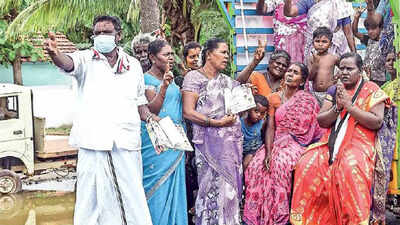
At the forefront: P Kalaivani (right) with her family in a Chengalpet village during her campaign for village union councillor’s post

C Das, an AIADMK functionary and former councillor, draped a red-black-white shawl around his daughter’s neck. “You remember what you have to say when you campaign?” he said in a firm tone. “My father asked me to contest for the post of the village union councillor reserved for women. So, here I am. He will guide me,” said Kalaivani, who has studied till Class XII before she became a homemaker. As the van took off with its motley crowd of passengers, not even the MGR film song “Naan ungal veetu pillai” that broke the silence drew villagers out of their homes.
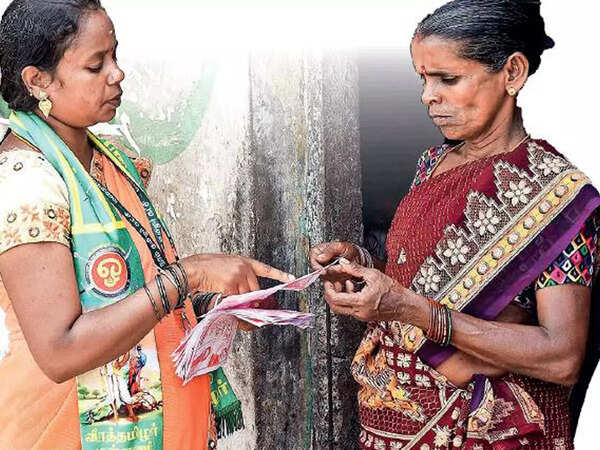
About 20km away, in Karunilam village in the district, R Padmapriya, 40, is preparing for the election for the post of panchayat president. She had won in 2012 and served for five years. “This time, it is not reserved for women. But I wanted my wife to contest. She did a good job last time,” said her husband E Ramesh, a DMDK functionary. “While I supervised the panchayat work, my husband used to help in the kitchen and looking after our children,” said Padmapriya.
Was it a sign of change breezing through TN’s agrarian set up, known for its brutal caste and gender biases? Not really.
Empowerment of women, especially from the SC and ST community, is a gradual process. Instances of husbands, fathers or brothers of women village panchayat presidents usurping their roles and even signing cheque leaves on their behalf are not uncommon. “There was a case in 2008 when the husband of a woman member of a block panchayat in Dindigul was participating in the council meeting while she was cooking at home. We took action against both the husband and the wife,” said retired IAS officer Ashok Vardhan Shetty.
As visitors enter Palayaseevaram village in Chengalpet district, ripped off posters hang drearily from walls. Jayalalitha Paunraj, 29, is furious. “They have torn off my face and nose from the posters,” she said, the green shawl of her party, Seeman’s NTK, hanging around her neck. “Such hostility is not just against my party, it’s against me as a woman,” said Jayalalitha.
In Theni district, R Selvarani, 57, is fighting a losing battle. The dalit president of Kothapatti panchayatt has not held a panchayat meeting in nearly two years. “What’s the point? They don’t attend the meetings I convene. They come and sign attendance when I am not there,” she said.
Selvarani, who hasn’t been to school, is not permitted to sit on her chair in the panchayat office and is forced to sit on the ground or use another chair. Her son alleges she has been made to sign on false expenditure statements and the money has been confiscated by the panchayat staff.
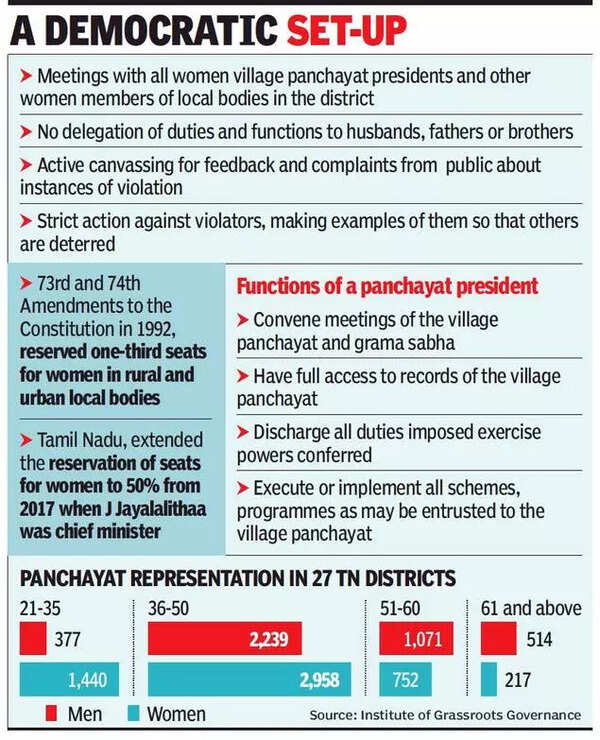
“Meaningful representation of women in village panchayats happen only when there is strong political will and gender inclusive social structure at the grassroots to break down the barriers faced by women,” said Gurusaravanan M, chairman of the Tirupur-based Institute of Grassroots Governance, which has been initiating rural women into leadership roles.
Shocking instances continue to surface of village panchayat presidents being made to sit on the floor or wait outside the door while the non-dalit vice-presidents conduct the meetings. “During 2006-11, when I was rural development secretary and the present CM (M K Stalin) was minister for rural development and local administration, we issued instructions to district collectors to have meetings with all the SC/ST village panchayat presidents, ask them if they are being ill-treated in any way, and take stringent action,” said Shetty. The problem was resolved then, but it keeps rearing its ugly head, he said.
“Yes, nothing has changed on the ground. Everything is the same,” said P Krishnaveni, 45, who was president of the Thalaiyuthu panchayat in Tirunelveli district from 2006-2011. In June 2013, two men hacked the dalit woman, slicing off her two fingers and an ear, and left her to die. It was to avenge her act of retrieving land they had encroached on so she could build toilets for girls in the village. To her goes the credit for challenging the abhorrent caste prejudice and deep-rooted patriarchal system. But the fingers in each hand that were sutured back are a reminder of the unfinished battle. They continue to ooze pus after all these years.
End of Article
FOLLOW US ON SOCIAL MEDIA



Photostories

Hot Picks
TOP TRENDING
Popular Categories
Hot on the Web
Top Trends
IND vs NZ Live ScoreBengaluru Collages Bomb ThreatSteve SmithNEET PG SC HearingHarbhajan SinghShailaja PaikHaryana Election ResultUGC NET ResultIsrael Hezbollah WarNima Hospital Doctor MurderTaylor SwiftThe RockWomen's T20 World CupTop MBA Colleges of IndiaT20 WC ScheduleWomen T20 World Cup Points TableLive Cricket Score
Trending Topics
Samantha Ruth PrabhuNavratri Colours 2024Navratri Day 2 ColourTMKOC New SonuNaga ChaitanyaDevara CollectionGOAT OTT ReleaseRajinikanthDeepika PadukoneGovindaDevaraGovinda NewsDevara Movie ReviewHealthy RaitasSwatantrya Veer SavarkarColdplay India tour 2025Maa Durga 108 NamesNavratri JewellerySony Bravia 55 inch 4k Ultra HD TVWordle Answer
Living and entertainment
Latest News
Kolkata’s Ganga ghats transform into a hub of rituals with the arrival of DurgaNavratri Will Be Luckiest for These Signs5 corporate employees share their workplace horror storiesStart construction on 12th October this Navaratri and you will say WOW!Neelam Kothari speaks out against ageism says 'aunties' label is uncoolJr NTR-Hrithik Roshan dance-off in 'War 2' set to be shot during THIS timeYouTube Shorts extends duration to 3 minutesWill join NCP (SP) with supporters, says BJP leader Harshvardhan Patil'Was screaming, hitting him': 5-year-old Florida boy suffers cardiac arrest on Disney rollercoaster ride'We spoke about it and ...': What Trump said on wife Melania backing abortion rights in new memoirTDP welcomes SC's ruling on SIT to probe Tirupati laddu adulterationJannik Sinner not 'comfortable' as doping case clouds Shanghai campaignKolkata shoppers flood markets ahead of Durga Puja weekend rushCongress leader urges West Bengal governor to act against politicians for polarizing votersTwo Indian-Americans among 15 selected for prestigious 2024-2025 White House fellowshipWWE Throwback: Shawn Michaels retires with a heartfelt speech after losing the “Career vs Streak” matchSupreme Court dismisses pleas seeking review of sub-classifications in SC reservation judgmentCoin Master free spins and coins for 4 October, 2024: Earn million of coins using today’s link
Copyright © 2024 Bennett, Coleman & Co. Ltd. All rights reserved. For reprint rights: Times Syndication Service