
- News
- Remembering Ravu Balasaraswathi: The First Playback Singer of Telugu Cinema
Remembering Ravu Balasaraswathi: The First Playback Singer of Telugu Cinema
Ravu Balasaraswathi Devi (Aug 28, 1928 - Oct 15, 2025): Telugu cinema's first playback singer, passed away at 97. A child prodigy, she captivated audiences from the 1930s to the 1950s with her silken voice in both Tamil and Telugu films. Despite a successful career, she faced penury in her later years after being duped of her wealth.
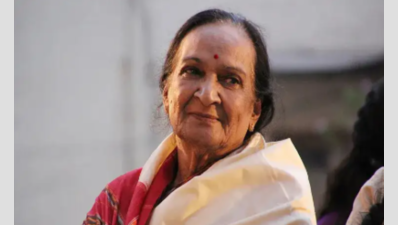
Ravu Balasaraswathi Devi, who died on Oct 15, sang more than 100 songs in Tamil and Telugu films ranging from the romantic numbers to dance duets, but her biggest hits were her gentlest melodies
You Can Also Check: Chennai AQI | Weather in Chennai | Gold Rate Today in Chennai | Silver Rate Today in Chennai
Bala sang more than 100 songs in Tamil and Telugu films, though only about 25 are readily available today. She also acted in several films. A chance meeting at the Race Club in Guindy, Chennai, led to her marriage to the Maharaja of Kolanka. But she was duped of her wealth and assets after his death and spent her final years in penury.Bala sang a lullaby for Padmini, ‘Neela vanna kanna vaada’, in the Tamil film ‘Mangaiyar Thilagam’ (1955), which turned out to be a big hit. She then carried the tag 'lullaby singer' though she was just at ease in singing romantic numbers.Born to Parthasarathi Rao and Visalakshi Amma at Venkatagiri in Andhra Pradesh, young Bala grasped music quickly as she watched plays that were staged and silent films screened at a theatre in Guntur, which her father owned. ya
m spotted her immense talent and thus she acted in the Tamil films ‘Bhaktha Kuchela’ (1936), ‘Balayogini’ (1937) and ‘Thiruneelakantar’ (1939).Bala played Tukaram’s little daughter in the bilingual ‘Tukaram’ (1938) which had the famous Carnatic musician Musiri Subramaniya Iyer and CSR Anjaneyulu playing the title role in the Tamil and Telugu versions.In 1940, Balasaraswathi acted with Rajeswara Rao in Illalu. Taking a liking to Bala's voice, Rajeswara Rao as a music director gave her several songs in non-film Telugu songs which brought about a successful genre of light music, with ‘Aatotalonokati Aardhanalayamu’ being popular even to this day.She made history of sorts by rendering playback for the first time in Telugu cinema, in ‘Bhagyalakshmi’ (1943) for Kamala Kotnis, the popular song being 'Thinne meedha sinnoda.’ She sang two more numbers for Kotnis, went on to learn Hindustani in Mumbai and western classical music in Chennai. At 15, she was in demand for Telugu and Tamil cinema as an actor and singer.It was Chennai that changed her life forever. Her looks, captivating voice and splendid English had another admirer — the Maharaja of Kolanka, who wanted to marry her after seeing her at the Race Club in Guindy. He was 34, married, with children, and Bala was 15. Her parents agreed to the marriage proposal. Bala was said to have fallen in love with the man whom she described as "so handsome with large eyes”.Bala was now largely confined to a stately palace in the Kolanka Estate in East Godavari District for most of the year. Unfortunately, the shift to royalty gradually led to fewer screen stints — the Telugu film ‘Radhika’ (1947), produced by her father, and the Tamil movie ‘Bilhana’ (1948). Her husband did not encourage her acting.Fortunately, she had several well-wishers such as actor Bhanumathi, who reached out to her to continue singing for Telugu, Tamil and Kannada films. In 1949, when Bhanumati and husband Ramakrishna made ‘Laila Majnu’, Bhanumati urged Bala to sing ‘Ela Pagaye’ in Telugu and its Tamil version ‘Veen pazhi thaano’. Both became very popular. Its legendary composer C R Subburaman held Bala in high esteem.During the odd visit to Chennai, Bala sang a few songs for Tamil films, displaying a wide range. The success of ‘Neela Vanna Kanna Vaa Vaa composed by S Dakshinamurthy with lyrics by Marudhakasi (the song was a remake from a Marathi composition in ‘Vahinchiya Paandiya’ tuned by Sudhir Phadke), led to a rash of lullabies such as ‘Innisaiye ganarasa innamudhe ennuriye’ (from ‘Bilhana’ in 1948), ‘Amma Amma’ (from ‘Aandi Petra Selvam’ in 1957) and ‘Seeraarum paingkiliye’ (from ‘Thaayilla Pillai’ in 1961), earning for her the tag of 'lullaby singer'.On the other hand, the title would not do justice to the versatility of Bala as a singer. She sang with religious fervour in ‘Sri Jaya Saraswathi Devi thaaye’ (‘Bilhana’) and the non-film devotional songs such as ‘Kaana Oraayiram kan vendum’ and ‘Aaduthu paar mayil aaduthu paar’.Bala, had in her repertoire several excellent dance songs, too, such as ‘Sandhosham vendumendraal inge konjam ennai paaru kannaal ’ and ‘Paaramugam yenayya en swami’ in ‘Devadas’ (1953). Film music critic N Saravanan recalls her "romantic flourishes" in songs such as ‘O malaya maaruthame’, a fabulous duet with the renowned vocalist S Rajam in the bilingual ‘Manavathi’, a "treasured moment".Her pathos numbers too had a large number of admirers — ‘Dhayavillaiyo annaiye’ (from ‘Naan Vanangum Deivam’ in 1963), ‘Oraam maadham udaladhu thalarndhu’ and ‘Maaligai vaazhvum enge’ (from ‘Harichandra’ in 1967) and ‘Sollu nee raja’ (from the 1958 ‘Anbu Enge’) being among her most memorable. Bala sang only a few Tamil songs in the 1960s. After her husband died in 1974, poverty gripped Bala, as she was duped of her money and assets. Actor Vijayanirmala, who is related to her, brought her out from exile and got her to sing ‘Poyi raave amma’ for the movie Sangam Chekkina Shilpalu (1979). That was Bala’s last film song.Industrialist C C Reddy, gave her a purse of Rs 2 lakh, while J Jayalalithaa, moved by her plight, allotted her a house in 2005, besides payment of Rs 6,000 per month. Bala, who had two sons, later moved to Hyderabad to live with her son and grandson, where she remained until her passing on Oct 15.How Bala lost to Lata MangeshkarRavu Balasaraswathi Devi sang for Hindi film music Naushad in ‘Vaanaratham’ (1956), the Tamil version of the 1955 Hindi movie ‘Udan Khatola’. Her songs ‘Sudar thaarai’ and ‘Aa nenjin nilaimai en solvaen’ are broadcast by radio stations even today.The songs in Hindi were sung by Mohammed Rafi and Lata Mangeshkar. While playback singer T A Mothi was given all of Rafi’s songs to sing in Tamil, Ravu Balasaraswathi got two of Lata’s songs, while Lata rendered the rest. Bala later explained in an interview that Naushad had heard her Tamil records and invited her to Bombay to sing for the Tamil version of the film. “After I recorded two, Ghulam Mohammed praised me and asked me to stay back. Lata saw this, and the next day, the rest of my songs were cancelled. She refused to sing unless I was sent home. At that time, they had no one else to sing in Hindi and so were forced to oblige her,” said Bala.(The writer is a Chennai-based journalist)Get the latest lifestyle updates on Times of India, along with Happy Diwali wishes, messages and quotes !
End of Article
Follow Us On Social Media

Photostories
Hot Picks
Top Trending
Explore Every Corner
Across The Globe
IND vs AUS LiveAdam SandlerStephen CurryTravis KelceStephen Curry WifeCarter HartAndre AgassiSaudi Kafala SystemUAE Education ReformDubai Smart ParkingDhanteras Gold PriceVande Bharat Sleeper TrainUS government shutdownGST rate cutsObama Presidential CenterGreen Card LotteryPersonal Income TaxBihar Elections 2025UAE Golden VisaSaudi RailwaysNo Kings ProtestIIT JAM 2026 Registration WindowUAE Lottery Jackpot WinnerChandrayaan 2UAE Golden VisaBihar elections 2025India US TradeAir IndiaMuhurat Trading 2025No Kings protests
Hot on the Web
Diwali 2025 QuotesPsoriatic Arthritis SymptomsCholesterol Lowering FoodsChoti Diwali WishesHappy Diwali MessagesBlood Sugar ControlParineeti ChopraDiwali WishesDiwali Rangoli DesignsParineeti Chopra Baby NewsVande Bharat Sleeper Train 2025Heart Death RiskKidney Problem SymptomsConstipation Relief FoodsHeart HealthLower CholesterolDiwali GreetingsKidney HeathCholesterol Lowering FoodsProstate Cancer PreventionLokah Chapter 1Miracle SeedBharti SinghSam Rivers DeathLemon Water BenefitsFacial Paralysis SymptomsAnita HassanandaniBrown Eggs Vs White EggsBison Kalamaadan Movie ReviewKantara Box Office CollectionElephant Safari National ParkRosemary Water Vs Rosemary OilMaple SyrupNight Flights Are CheaperChronic ConstipationWeight GainIranian SnakeBudget Friendly GetawaysMultigrain Flour BenefitsDiwali AI Photo PromptsDaily Exercise For Heart Health
Trending Topics
India vs Australia ScorecardAfghanistan Cricket PlayersRashid KhanAfghanistan Cricketers KilledVirat KohliAttack on CricketersRohit SharmaShahid AfridiRandi MahomesTaylor OliviaBrittany MahomesJoe BurrowMark SanchezAndre AgassiTom BradyWho is Zach YadegariShubman GillDeepti SharmaNitish Kumar ReddyStephen Curry WifeTrevon DiggsTNPSC Group 4 Exam ResultsBill BelichickCarter HurtStefon DiggsCarolina HurricanesLeon DraisaitlUkraine Russia ConflictNasser HussainAjit AgarkarBihar Election DateTCS Hr Chief Sudeep KunnumalSridhar VembuAndy JassyElon MuskGoogle To Invest $15 Billion In IndiaNyt ConnectionsWordle TodaySony Playstation Network OutageGoldman SachsSundar PichaiIRCTC Down
Popular Categories
HeadlinesSports NewsBusiness NewsIndia NewsWorld NewsBollywood NewsHealth+ TipsIndian TV ShowsTechnologyTravelEtimesHealth & FitnessDelhi Gold Rate TodayNumerology Number 1 HoroscopeChinese Horoscope PredictionsAstrologyWeather TodayPlatinum Rate TodaySilver Rate TodayGold Rate TodayIs Bank open todayIs Bank Open TomorrowBank Holidays in SeptemberPublic Holidays in SeptemberStock Market HolidaysNFL ScheduleTechnology NewsInternational SportsPublic HolidaysBank Holidays
Trending Videos
‘SP Against Indian Traditions?’ BJP Criticizes SP Chief for Diwali Lighting RemarksFrance' Crown Jewels 'Robbed' In Bold 4-Minute Raid; Paris Stunned As 3 Masked Robbers Hit LouvrePrince Harry Comforts Tearful Meghan Markle As She Honors Kelly McKee Zajfen’s Late Son GeorgeArshdeep Singh Press Conference After IND vs AUS 1st ODI: Praises Captain Gill, Backs Virat KohliParineeti Chopra & Raghav Chadha Welcome Baby BoyPARIS SHOCK: Thieves Escape With Napoleon and Empress Jewels From Louvre | WATCHFar‑Right Erupts: Smotrich & Ben‑Gvir Demand Full War After Hamas Rafah AmbushHamas Blames Netanyahu For ‘Ceasefire Violation’ After IDF ‘Caught Off Guard’ In Gaza | WatchTrump-Brokered Gaza Ceasefire In Jeopardy As Hamas Reportedly Strikes IDF Troops In Rafah‘Deceitfully Recruited Into Russian Army’: AIMIM Chief Calls for Safe Return of Misled Indians‘Stop Warmongering NATO...No USrael’: Anti-Ukraine War Protesters On Warpath In EU NationShocking Police Investigation: Prince Andrew Accused of Using Met Officer In Secret Smear PlotTotal Chess World Championship Tour Explained: Norway Chess Answers Fans' Queries | ExclusiveKeith Urban FALLS To The Floor When Fan Says Her Name Is ‘NICOLE’, Crowd EruptsRoyal Shock: Prince Andrew Drops Titles and Cancels Ex Sarah Ferguson’s Birthday Bash | WATCH‘Trump Didn’t Force Me’: Israel PM Denies He Was Strong-armed To Accept Gaza Truce | ‘War Not Over’‘Pinpoint Accuracy’ Rajnath Singh Praises BrahMos Precision During Operation SindoorTrump Losing Allies In U.S. Backyard After ‘Sub’ Attack? Petro Explodes | 'Troops Sedated Colombian'
Latest News
IRCTC launches “Holy Kashi” package starting at INR 39,750: Explore these four spiritual citiesT.J. Watt and Dani Rhodes relationship timeline: Love story, wedding, and first child in 2025Tarot Cards Horoscope Today, October 20, 2025: Diwali Brings Money Luck and Abundance to These Zodiac Signs!Self-styled godman arrested for alleged sexual abuse of minor in BhubaneswarIndian paddlers hit by visa delays ahead of London event, risk financial penalties and ranking lossEviction drive at Salia Sahi in Bhubaneswar for new parallel roadOne retirement leads to another comeback: Eagles legend Brandon Graham could unretire after Za’Darius Smith’s exitWho is Sei Young Kim? Meet the LPGA champion whose resilience defined her BMW Ladies Championship victoryRush continues at jewellery stores across the state on SundayChicago mayor Johnson proposes $16.6 billion budget, increases funding for public schoolsLiver cancer now strikes the healthy too: Here’s what doctors say people should watch forWill Michael Penix Jr. play against the San Francisco 49ers tonight? Latest injury update on the Atlanta Falcons' quarterbackWill Deebo Samuel play against the Dallas Cowboys tonight? Latest injury update on the popular Washington Commanders wide receiverDaily Health Horoscope Today, October 20, 2025: These Zodiac Signs Feel a Surge of Abundance and Optimism This Diwali!BJP slams Cong for trying to drag party into cattle deaths in NuapadaPremier League: Goals from Morgan Rogers and Emiliano Buendia sink Tottenham at home‘Guilty of corruption on Earth’: Iran executes man for 'spying' for Israel; accused of working for MossadGunman opens fire in Oklahoma State University dorm; three injured, one confirmed student among victims
Copyright © 2025 Bennett, Coleman & Co. Ltd. All rights reserved. For reprint rights: Times Syndication Service