
- News
- City News
- chennai News
- PMK back to old ways in fight to stay relevant as polls near
Trending
This story is from December 3, 2020
PMK back to old ways in fight to stay relevant as polls near
The Pattali Makkal Katchi (PMK) which experimented with a broader political platform of a vanniyar-dalit axis more than 12 years ago and later an anti-dalit other backward class (OBC) front in 2012-14 has now returned to its vanniyar plank of the late 1980s.
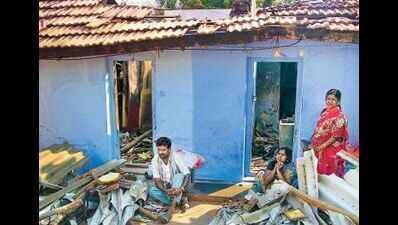
The honeymoon period with the dalits was over when differences arose between the PMK and Thol Thirumavalavan’s VCK.

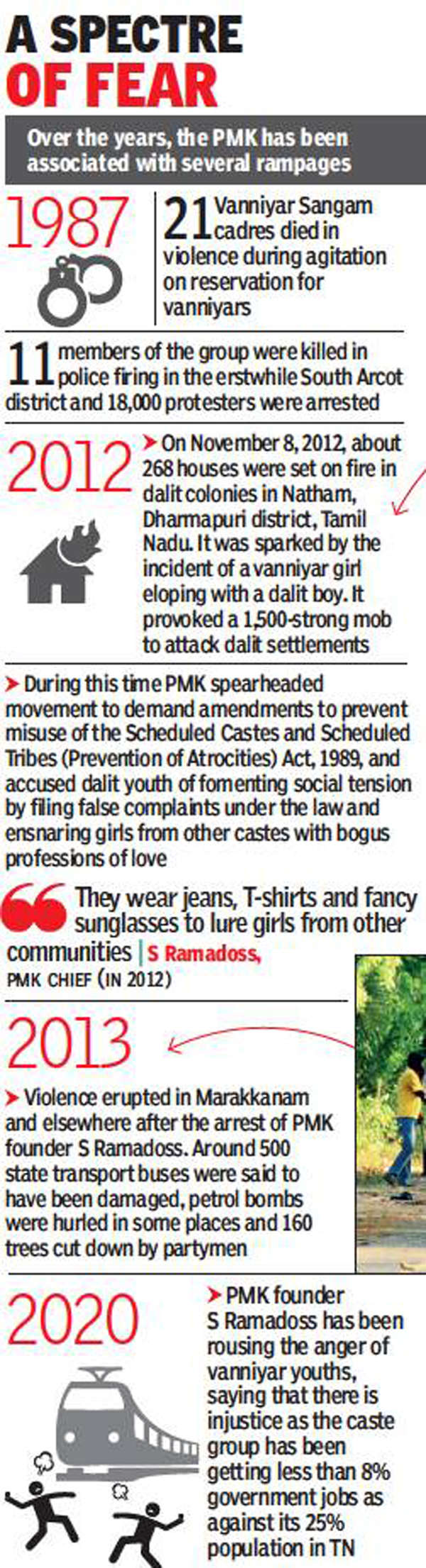
Having meandered in the search of a potent political weapon, the PMK has now come full circle and reverted to its 1987-89 plank of reservation for vanniyars which its parent body, the Vanniyar Sangam, fought for. The image of a party which hacked trees as part of its agitation remained for several years until the PMK launched a green wing, Pasumai Thayagam, which took up issues of environment and forestry to regain lost ground. The PMK tried to shed the vanniyar tag by projecting itself as a inclusive BC party.
The PMK’s success in terms of actual representation for the oppressed has been the Most Backward Class (MBC) quota within the reservation for backward classes. However, as events turned out, the PMK believes that the vanniyar community did not get the expected benefits as the MBC quota was provided to 108 castes. The PMK claims that though the vanniyars constitute 25%-30% of Tamil Nadu’s population, only 8% of educational and job opportunities have come to them through the reservation route. The PMK has been seeking data on beneficiaries of reservation from each caste since 1989. The party is demanding a caste-based data in Tamil Nadu, and across the country, to strengthen the position of the backward classes in courts where reservation-based measures are awaiting judicial scrutiny (Tamil Nadu government on December 1 announced setting up of a panel to collect caste-wise data of the population after the PMK agitation on the reservation issue).
The PMK has renewed its demand of the 1980s for an exclusive 20% quota for the vanniyars since the MBC quota serves little purpose, being shared by 108 castes. The PMK hopes this will help consolidate its main vote-bank in northern Tamil Nadu. The PMK emphasis on its tried-and-tested vanniyar formula as against the broad OBC projection in the previous decade is apparently based on ground realities in northern Tamil Nadu with elections to the state assembly only a few months away. The PMK aims to counter the DMK, which hopes to gain inroads in the vanniyar bastion through Durai Murugan (newly-elected general secretary of the DMK).
Although the PMK ended up without a seat after the 2016 polls, its strategy of putting up a chief ministerial candidate, Anbumani Ramadoss, did secure some traction. The party got squeezed out in the battle between the two heavyweight CM candidates — J Jayalalithaa and M Karunanidhi. In their absence, will the PMK throw its hat in the ring again? The PMK is yet to announce its strategy for the 2021 polls, though the renewed aggression indicates it is on the warpath and playing for larger stakes. In a suave articulate leader like Anbumani, the PMK has a credible CM candidate. It would be a tragedy of sorts to project Anbumani as a vanniyar chief minister when he has the credentials to represent the state as a whole.
The PMK’s pet demand of a vanniyar as chief minister, however, could strike a chord in northern Tamil Nadu if the party secures an exclusive quota for the caste. The AIADMK and the DMK are seen by the electorate as providers since they have been able to provide or improve upon the reservation quota while in government. In the 1980s, the PMK was seen as a protester. In the past decade, the party has tried to boost its image as a protector. It now seeks to play the role of a provider which delivers on its promises to its core community.
(The writer is a veteran journalist)
End of Article
FOLLOW US ON SOCIAL MEDIA









Hot Picks
TOP TRENDING
Trending Stories
In City
Entire Website
- Howard University: 10 landmark firsts of the institution that shaped Kamala Harris
- Earthquake of magnitude 5.8 strikes Pakistan, tremors felt in Delhi, neighbouring areas
- Who were Barack Obama's challengers in 2008 and 2012 US presidential elections?
- 'A in INDIA alliance': Rahul Gandhi's slip-up during address to Indian-Americans goes viral
- Trump vs Harris: Betting markets reveal who’s expected to win the US presidential debate
- IGNOU December 2024 Term-End Exam: Registration Details, Important Dates, and Fee Structure
- Top 10 TED Talks to Boost Confidence and Success for Female Students
- Case against British Indian woman for Hindu prayers on beach collapses
- China refuses to sign agreement to ban AI from controlling nuclear weapons
- 'Not merely due to diet ...': Tammy Slaton on her weight loss journey after losing 226 kg
- Tussle in Mahayuti: Total seats 288, but BJP wants 160, Shiv Sena 100+ and NCP 60+
- ACT Hockey: India hammer Malaysia 8-1
- What Apple's latest iPhones with built-in AI mean for us
- An Indian, not Columbus, found America, says MP education minister
- Malaika Arora's father Anil Arora dies by suicide
- Encounter breaks out between security forces and terrorists in Udhampur
- Is a select group of investors rigging the SME IPO game?
- iPhone 16 series launched: Complete features, price and how to pre-order
- Remembering 9/11: Key moments from the deadliest attack on US
- AAP releases fourth list of 21 candidates for Haryana assembly elections

Popular Categories
Hot on the Web
Top Trends
Trending Topics
Deepika PadukoneMalaika Arora Father DeathArbaaz KhanJayram RaviAishwarya Rai BachchanSlat WaterWeight GainGOAT CollectionVikas Sethi DeathMalayalam ProducersIndia's Best Dancer 4Simi GarewalDilli BabuIndian National ParksLaung BenefitsVikas SethiiPhone 16Dubai Princess Sheikha MahraMG Windsor EvWordle Answer
Living and entertainment
Latest News
Manju Warrier expresses gratitude for birthday wishes: "Forever humbled and grateful"Haryana HPSC PGT admit card 2024 out at hpsc.gov.in: Direct link to download hall ticket here6,0,6,6,6 - Smashing Kieron Pollard rolls back the clock in Caribbean Premier League - WatchRelief for Amul in trademark war against Italian brandAfghanistan vs New Zealand: Why is Greater Noida stadium hosting a Test match?Shilpa Shetty and Raj Kundra spotted at the Siddhivinayak Temple; video insideDonald Trump and Kamala Harris shake hands as they meet for first time on debate stage: Watch the 'awkward' momentPrince William’s commitment to a lasting marriage with KateWhen Jaya Bachchan revealed she had a huge crush on Dharmendra, called him a 'Greek God' in front of Hema MaliniJr NTR starrer 'Devara: Part 1' completes censorship formalities; receives UA certificateGeorgia school shooting: Suspect's mom's call wasn't the only alert, multiple warnings overlooked before Apalachee high attack'Trump should not be telling a woman what to do with her body', says Kamala Harris on abortion rights during US presidential debateArbaaz Khan spotted outside Malaika Arora's house along with police after the tragic news of her father's demise by alleged suicide - WATCH VIDEOShivaji statue collapse: Sculptor’s custody extended till September 13Vijay Sethupathi and Trisha starrer '96' to have a sequel, reveals Prem Kumar7 Common veggies that are loaded with iron and essential nutrientsAir India Express and Scoot launch exciting flight sale for domestic and international travelBengaluru techie pockets 1k cryptocurrencies of his company, lands in police net
Copyright © 2024 Bennett, Coleman & Co. Ltd. All rights reserved. For reprint rights: Times Syndication Service