
- News
- City News
- chandigarh News
- Night-time raids by wild boars damage sugarcane, potato crops
Trending
Night-time raids by wild boars damage sugarcane, potato crops
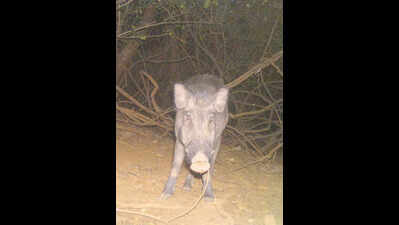
In parts of Punjab's Malwa region, besides the Kandi and border belts, farmers lament that the wild boars usually attack their crops at night, making it challenging to maintain a vigil during the winter months. Devinder Singh, a farmer from Rode village in Moga, said wild boars damaged his potato crop over the past few days, and he anticipated similar trouble during the next maize crop in mid-Feb. "It is very difficult to deal with the wild species as it is not possible to scare them away. They come in hordes and leave behind signs of damage to crops," he said.
"I gave a formal complaint to the wildlife department last year, and they suggested that I hire someone to have the wild boars shot down. However, it is a cumbersome procedure to get permissions from the sub-divisional magistrate and then cull the wild boars as they strike in the dead of the night. They destroy more than they can feed on. They charge us aggressively if stopped," said Charanjit Singh, another farmer from the area.
Wild boars have been giving sleepless nights to sugarcane farmers in the Abohar area, including villages like Maujgarh and Panj Kausi. The menace has dampened the spirits of farmers who have recently switched to sugarcane farming.
Sandeep Jakhar, Abohar MLA, said the menace of wild boars increased in the past 4-5 years, and there were frequent attacks over the last week. "Before that, we had not heard of such a problem, but now farmers in the area are very anxious about these night raids by wild boars," he said.
Amarjit Singh, a sugarcane farmer from Abohar, said it is believed that the wild boars came from across the fence from Pakistan, and their population has multiplied significantly over the past few years. "The wild boars are very strong and cannot be stopped by building boundary walls. Most farmers are wary of hiring hunters as the animal activists usually object to it," he said.
When contacted, chief wildlife warden, Punjab, Dharminder Sharma, said while a mechanism was already in place for permits to kill wild boars and blue bull, the state govt was also offering compensation to farmers for crop damage. "Although there has been no survey, the wild boar population appears to have stabilised due to the rise in the number of leopards," he said.
Wild boars are known to damage crops in parts of Ropar, Anandpur Sahib, Ferozepur, Patiala, Sangrur and areas close to the Shivalik foothills.
The Punjab govt announced in 2011 a compensation of Rs 1 lakh for death/permanent incapacitation, Rs 20,000 for major injury, and Rs 5,000 for medical expenses for minor injury suffered in attacks by wild animals. Later, the Centre revised the compensation amount to Rs 2 lakh for death/permanent incapacitation, 30% of Rs 2 lakh for a grievous injury, and the actual cost of treatment for a minor injury. The previous Congress govt did away with the requirement of a panchayat resolution for getting short-term permits for shooting wild boar to check damage to crops. The decision was taken by the Punjab State Wildlife Board in July 2017.
BOX
Cumbersome Culling Process
The process for obtaining permits to cull wild boars is seen as complicated and time-consuming by farmers, making it difficult to act quickly against the nocturnal raids
The wild boar problem has intensified over the last 4-5 years, with some farmers speculating that the animals may be crossing over from Pakistan
It is suspected their numbers have grown due to the lack of natural predators
While the govt permits the culling of wild boars, concerns remain about the practicality of these measures and opposition from animal rights groups
MSID:: 117085214 413 |
Check out the latest news about Delhi Elections 2025, including key constituencies such as Chandni Chowk, New Delhi, Kalkaji, Jangpura, Patparganj, Rohini, Rajinder Nagar, Greater Kailash, Okhla, and Dwarka.

About the Author
Vibhor MohanEnd of Article
FOLLOW US ON SOCIAL MEDIA








Photostories
Hot Picks
TOP TRENDING
Explore Every Corner
Across The Globe
Election Results 2025Derrick HenryJimmy ButlerGolden State Warriors vs Los Angeles LakersMaha Kumbh FireUS Immigration PolicyNFL Super Bowl 2025Deion SandersDan OrlovskyValentine Week ListLamelo BallNFL Honors Awards List of WinnersElon MuskJoshua MetellusTravis KelceLebron JamesBrett FavreJustin TuckerWho is Mohini Mohan DuttaDelhi Exit PollTristan ThompsonTaylor SwiftBudget 2025 Income TaxJosh Allen NFL MVPJosh Allen FianceTaylor SwiftBrandon NimmoGiannis AntetokounmpoICC Champions Trophy 2025 ScheduleDelhi Assembly Election Results
Living and Entertainment
Hot on the Web
Sky Force Box Office CollectionAishwarya RaiMagnesium Deficiency SymptomsLoveyapa Movie ReviewThandel OTT ReleaseThandel Twitte ReviewKhushi KapoorElon MuskKangana RanautOrange Yolk vs Yellow YolkParasakthiPeter ParkerAnuja’ OTT ReleaseMadhuri DixitEmraan HashmiTaylor SwiftAbhishek BachchanShahid KapoorColdplayShabana AzmiMilind SomanRihannaSaif Ali KhanSherlyn ChopraSean DiddyDevaMithun ChakrabortyKartik AaryanAiling HarveyAgatha All Along
Trending Topics
Rose Day MessagesValentine WeekValentine Week List 2025Kangana RanautRose Day wishesValentine Week DaysPremananda MaharajBadass Ravi Kumar Twitter ReviewDeva Box Office CollectionDipika KakarVidaamuyarchi CollectionPowerful CountriesShark Tank India 4Rose Day QuotesMagnesium Deficiency SymptomsNaga ChaitanyaRohan KhaunteGujarat School RapeRajasthan High CourtHarpreet Kaur BablaAssam RapeTamil Nadu PowerBhopal Constable Suicide MurderTahir HussainNavjot Singh SidhuMark ZuckerbergNyt Connections HintsDelhi Election ResultLoan EMI CalculatorAlaska Missing Plane
Popular Categories
HeadlinesSports NewsBusiness NewsIndia NewsWorld NewsBollywood NewsHealth+ TipsIndian TV ShowsCelebrity PhotosTechnology NewsICC Champions TrophyIPLTravelEntertainmentHealth FitnessK-POPWeb SeriesHollywood NewsVideosWWEUS NewsNFL NewsBoard Exam ResultCBSETech NewsAutoInternational SportsMobile TabsAnimeAstrology
Latest News
NBA Buyout Rumor: Golden State Warriors reportedly eyeing $5.25 million NBA Champion to replace Dennis Schröder; better fit for Stephen Curry and Jimmy Butler?Los Angeles Lakers’ Star LeBron James Leads 2025 NBA All-Star Rosters: Breaking Down the New Format and Key HighlightsKriti Sanon spotted on a late-night dinner date with rumoured boyfriend Kabir Bahia, accompanied by her sister Nupur SanonHoax threats at St Stephen's, Delhi-NCR schoolsBritish Navy for first time allows female personnel to wear saris at mess dinnersAntonio Brown Blew Through $80,000,000, Now Files for Bankruptcy with Just $50,000 Left - But That’s Not Even the Wildest Part!Rajouri health scare: 38 patients discharged after recoveryNBA Trade Rumor: Los Angeles Lakers’ master plan could land $175.3 million Milwaukee Bucks star and pair him with Luka Doncic in 2027India protests mistreatment, okays deportation of 96 moreBradley Cooper Proves He’s the Eagles' Biggest Fan Yet Again with THIS Epic Super Bowl Gesture!Meet Jack McMullen: The New Voice of Miami Marlins RadioMahindra & Mahindra profit rises 20% to 3,181cr in Dec quarterExpect insurance mis-sell norms soonByju's creditors to vote on RP todayWill Kevin Durant play tonight against the Utah Jazz? Latest update on the Phoenix Suns star's injury report (February 7, 2025)“Why in the Hell Is She Even There?” Fans Question Travis Kelce’s Ex, Kayla Nicole’s Presence at NFL HonorsTrump directs Elon Musk to review defense and education spendingTaylor Swift humbly admits to being “not a pro” amid Blake Lively-Justin Baldoni drama, as she gears up for Super Bowl LIX
Copyright © 2025 Bennett, Coleman & Co. Ltd. All rights reserved. For reprint rights: Times Syndication Service