
- News
- City News
- chandigarh News
- Braving bloodshedding, they stood firm for faith
Trending
This story is from August 13, 2017
Braving bloodshedding, they stood firm for faith
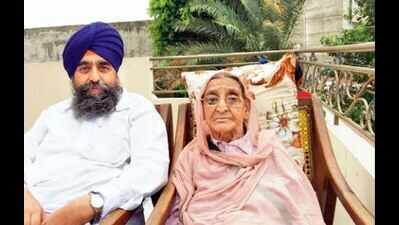
“My father chose to stay back, not for his property or family but for gurdwaras as he was sure no one would take care of the shrines if everyone left for India,“ said Lahorebased Bishan Singh, former president of Pakistan Sikh Gurdwara Parbanchak Committee (PSGPC).

The family lived in Jargari village of Kohat district of Khyber Pakhtunkhwa province of Pakistan, where his father had a grocery shop.
Bishan feels it is due to the courage of people like his father that gurdwaras in Pakistan are safe and follow `parkash' (installation) of Guru Granth Sahib in accordance with `rehat maryada' (Sikh code of conduct).
“My grandfather Aya Singh also refused to leave Pakistan.Many of our relatives decided to move to India and are now settled in Moga and Jalandhar. But I stand by my father's decision. Now, we not only have our own gurdwara management body but also Sikhs from around the world come to Pakistan to pay obeisance at the historic Sikh shrines,“ he said.
Bishan's octogenarian mother Nan Kaur said, “We didn't look just into our own safety and interests but also the safety of our gurdwaras and temples.“
The former PSPGC chief said his three maternal aunts also migrated to India and settled in Amritsar, Jalandhar and Patiala.
However, Bishan's family didn't have it easy . The family moved to Nankana Sahib, birthplace of the founder of Sikhism, Guru Nanak Dev, which had a population of around 200 Sikh families.
End of Article
FOLLOW US ON SOCIAL MEDIA








Photostories

Hot Picks
TOP TRENDING
Popular Categories
Hot on the Web
Top Trends
Ratan TataRatan Tata HospitalisedIND vs BAN Live ScoreRatan Tata DiesNew UPI Transaction LimitWorld First Top 10 TrillionairesStock Market TodayKerala Lottery ResultElection Results 2024Tom BradyIsrael Hezbollah WarSuryakumar YadavManagement Colleges of IndiaTop Medical Colleges of IndiaTop Engineering Colleges of IndiaTop Pharmacy Colleges of IndiaLive Cricket Score
Trending Topics
Diwali WishesBigg Boss Tamil 8 Contestants ListBhool Bhulaiyaa 3 TrailerDurga Puja WishesSanjay Leela BhansaliVettaiyan ReviewBigg Boss 18 House PhotoDevara CollectionBigg Boss 18Deepika PadukoneShailesh LodhaDevaraColdplayNational Film Awards 2024Swatantrya Veer SavarkarColdplay India tour 2025Watch NFL Live StreamDress To ImpressRatan Tata DeathWordle Answer
Living and entertainment
Latest News
Ratan Naval Tata: The inspiring journey of Padma Vibhushan laureate and golden-hearted business tycoonSamantha Ruth Prabhu shares playtime with Chinmayi Sripaada's daughter, says 'It took her 4.5 seconds to disown her parents'Mohanlal remembers late TP Madhavan: ‘His love and affection were akin to that of a father towards me'Buy only from Sanatanis, says Akhara ParishadIshan Kishan named Jharkhand captain for Ranji TrophyPadma Vibhushan industrialist Ratan Tata dies at 86Ratan Tata: The industry titan with a golden heartManifesting with the 10/10 Portal: Zodiac-based guide for 20249 proven techniques for fastest weight lossOnly a true creative genius can spot the odd unicorn in 12 seconds!India vs Bangladesh 2nd T20: Nitish Kumar Reddy smacks seven sixes as hosts shatter multiple recordsTurkey's navy starts to evacuate its citizens from Beirut as Israel battles Hezbollah'Inspired this entire nation', 'remembered for invaluable contribution': Sports stars pay tribute to Ratan TataAnanya Panday REVEALS influencer cousin Alanna and her husband Ivor inspired her role in ‘CTRL’Producer Vijay Kiragandur reveals major updates on Yash starrer 'KGF 3' and Rishab Shetty starrer 'Kantara 2'Can simple lifestyle changes really keep the flu at bay?Watch: Hardik Pandya pulls off a stunning running catchBehind the NFL's Facade: Can Jim Trotter's Allegations Force Change or Will It All Be Swept Under the Rug?
Copyright © 2024 Bennett, Coleman & Co. Ltd. All rights reserved. For reprint rights: Times Syndication Service