
- News
- City News
- chandigarh News
- Antibody cocktail
Trending
This story is from June 3, 2021
Antibody cocktail
In a first for the Tricity, monoclonal antibody cocktail therapy against Covid was administered to a patient, a 72-year-old with diabetes and chronic kidney disease, at a private hospital in Mohali.
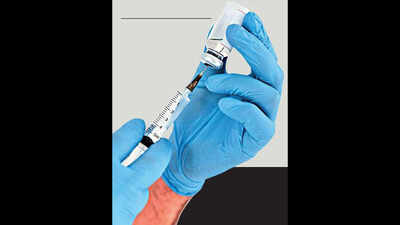
Image used for representational purpose only
What is antibody cocktail therapy?
The therapy is a cocktail of two monoclonal antibodies.

Who are the ideal candidates for this therapy?
The “anti-body cocktail therapy” is for those above the age of 65, who are isolating at home, have an SpO2 of 93, require no oxygen support but are at risk of developing a severe form of the infection on account of their co-morbidities. It can also be administered to those suffering from an immunocompromising condition or those with weakened immunity on account of immune suppressive treatment. It is for treatment of mild to moderate Covid-19 in adults. It is not a magic drug but an add on therapy for Covid.
Can it be given to those who have been vaccinated?
No, it cannot be given to those who are vaccinated. There are not many direct studies that it works against variants, but it is expected to work.
How does this therapy work? Any word of caution?
These are artificial antibodies given with the intention to neutralise the newly viral insult that has come into post infection. Somebody who is in the early stages is the potential candidate. When Covid infection occurs, the virus enters the body and starts multiplying. It grows in numbers and affects the organs. This is in the early phase of the infection. The neutralising antibodies neutralise the virus. As seen in studies, this therapy can reduce chances of progression by about 70%. That is why it was tried in the US on Donald Trump. But it is not to be taken by anybody and is reserved for those who are at high risk, especially with comorbidities and elderly. But this is prior to the insult that happens in the form of lung injury and oxygen requirements. We are late to get this therapy in India. It will probably be most useful in the third wave as the idea is to prevent complications, progression and therefore deaths.
When is the effect of the treatment seen?
When we give, we are not looking at the effect but if it will prevent progression or not. After 2 weeks of this drug, if the patient is asymptomatic and has no progression, then it is successful. We are observing our patient who is at home now. He will be evaluated physically at the hospital after a week.
What is the cost of the drug?
Cost is Rs 1,20,000 for two vials. One vial is of 1,200mg of each monoclonal antibody. But the DCGI has approved half the dose for Indian population. Thus, it can cost around 60,000 to a patient. But once the cocktail is prepared, it must be used within 36 hours to 48 hours to divide the cost.

About the Author
Shimona KanwarEnd of Article
FOLLOW US ON SOCIAL MEDIA




Hot Picks
TOP TRENDING
Trending Stories
In City
Entire Website
- UPS vs NPS Calculator: Is A Switch From National Pension Scheme to Unified Pension Scheme Really A No-Brainer? Check Calculations, Benefits - Top Points
- Top 10 sports stars turned power couples: From Agassi-Graf to Conner-Comaneci
- UPI transaction limit to change from September 16! Here are the new limits for various UPI payments
- Protests by Hindu groups in Shimla continue despite mosque demolition
- Schools to be closed tomorrow in these states: Here’s why
- 9 Inspirational Quotes Every Student Should Embrace for Academic Success
- 'We can be political rivals but ... ': BJP's reaction on minister's Rahul 'No. 1 terrorist' remark
- Donald Trump Jr dumps fiancee Kimberly Guilfoyle for Bettina Anderson?
- Trump vs Kamala polls latest: Harris gains from post-debate bounce
- NEET PG counselling schedule 2024 delayed: Why candidates moved to Supreme Court, hearing dates and other latest updates
- In PDP's battle for survival, south Kashmir holds the key
- Kejriwal resignation: Name of next Delhi CM to be out at 12 noon
- Will Atishi replace Arvind Kejriwal as Delhi chief minister?
- 9-year-old raped in front of younger sister, given Rs 20 to remain silent
- 'Khushi hai hum haar gaye': Pakistan senior player
- Woman lured to Lucknow with degree promise, raped on e-way
- Boycott the Taliban, not Afghan cricket, for ill-treating women
- BTech graduates with these skills earning 100% or more than others
- Pics: Shanghai reels from worst storm since 1949
- Dhoni vacationing in the US, spotted watching this sport - See pics

Popular Categories
Hot on the Web
Top Trends
Kolkata Doctor Rape CaseArvind Kejriwal Resignation LiveNEET UG Admission CriteriaMohammed HarisUPS vs NPS CalculatorAli Khamenei TweetSports Stars Turned Power CouplesRavichandran AshwinWhere to Watch India vs China Final Hockey MatchPrince HarryWho is Ryan RouthUPI Transaction LimitUS Presidential ElectionsIBPS RRB Clark PO ResultDonald TrumpBMW Accident Madhya PradeshLive Cricket Score
Trending Topics
Living and entertainment
Latest News
Who’s next for national capital? All eyes on AAP's meeting as Arvind Kejriwal is set to resign todayShooting after NFL game leaves 2 dead; suspect remains in custodyGrievances, yes, you still play for the country: Nandan Bal tells playersMemeFi daily codes for 17 September 2024: Boost your earnings with daily codes and know how to maximizeWhen Aishwarya Rai opened up about why she and her husband Abhishek Bachchan took 4 months to name their daughter Aaradhya BachchanKhatron Ke Khiladi 14: Shalin Bhanot hosts a fun party for his co-contestants Krishna Shroff, Abhishek Kumar, KaranVeer Mehra and othersSebi U-turn: Pulls note blaming 'external elements' for staff stirTaurus, Daily Horoscope Today, September 17, 2024: Anxiety and stress diminishThrowback: When Sunita Ahuja showered love on husband Govinda, 'A superb son, brother, and a very good father...'“Words really fall short”- Lyra Valkyria confesses love for her fiancé in a social media postPitra Paksha 2024: Significance of Urad Dal and Rice in Shraadh rituals1031 candidates to contest Haryana Assembly Elections to be held on October 5: CEO J AgarwalKevin Jonas’ post for the birthday boy Nick Jonas ft. Malti Marie is all things adorable, but we do miss Priyanka Chopra in the frameHere's why multiple WWE Hall of Famers refused to team up with Kevin Owens on SmackDownThings to do before, during and after Lunar EclipseDirector Shailesh Patel and Atul Soni start shooting for an untitled project with Muhurat pujaA leg lost in accident, cow moos on slow and steady with prosthetic limbDave Grohl's team refutes viral social media rumour claiming 'Love Child'
Copyright © 2024 Bennett, Coleman & Co. Ltd. All rights reserved. For reprint rights: Times Syndication Service