
- News
- City News
- bhubaneswar News
- For the love of art: Digital performances kept artists busy, widened reach
Trending
This story is from December 31, 2020
For the love of art: Digital performances kept artists busy, widened reach
The year 2020 has witnessed the world fight an invisible enemy on unequal terms. But grit, adaptability and determination to survive helped people sail through the pandemic.
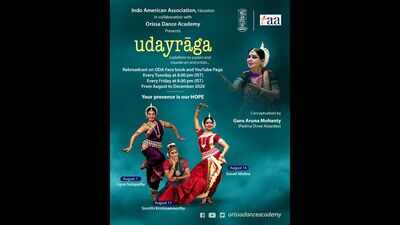
The poster of an online dance festival named Udayaraga organised by Odisha Dance Academy.
The spirit was very evident in those working in the field of art and culture, which took to technology to connect with ‘rasiks’ or connoisseurs despite suffering a huge blow owing to the lockdown.

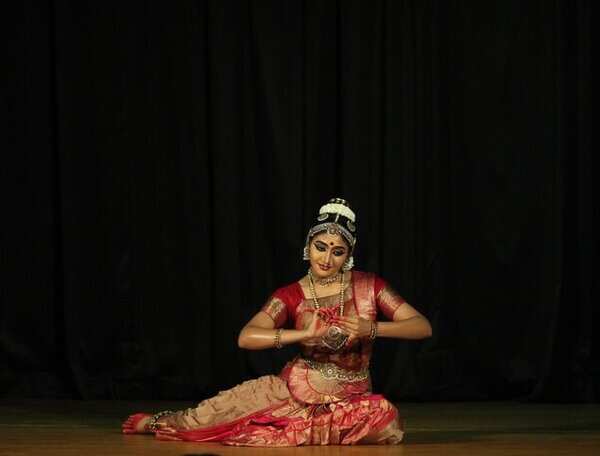
The Odisha Dance Academy organised an online dance festival named Udayaraga in July and Srjan organised the 26th OMC Guru Kelucharan Mohapatra Award Festival-2020 online in September. Many other dance organisations followed suit.
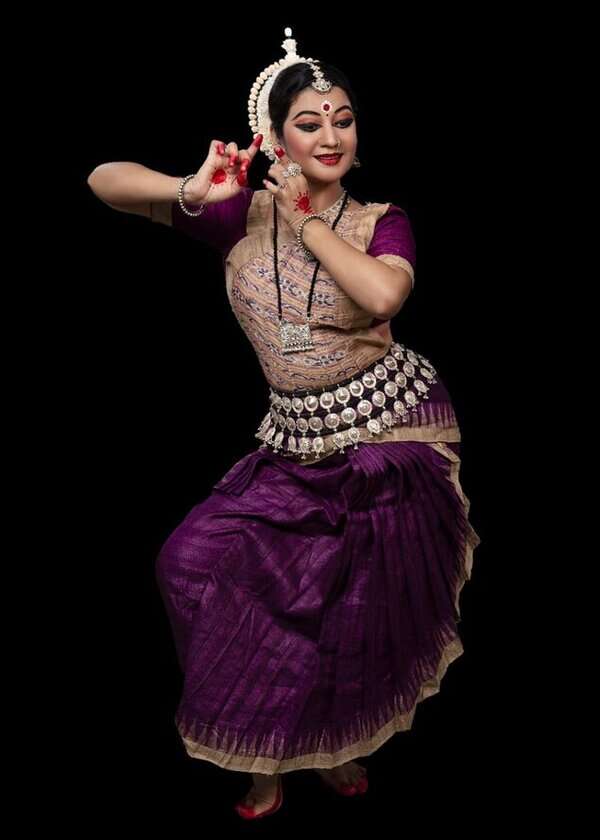
Similarly, the Guru Gopal Panda Odissi Academy presented raga Basanta in Hindustani, Carnatic and Odissi vocal styles to showcase the uniqueness of the Odissi school in November. Like other music organisations, it also conducted classes online for its students.
Though for most organisations going online was nothing new, exploring every aspect of it was. It was particularly true when it came to teaching the students. “Earlier, while teaching my students, I just had to show a movement once or twice. But now, separate close-ups of hand and leg movements have to be shown online. It is much more time consuming and demands patience. It was difficult as the attention span of the online children has been less and there was nobody to correct their postures,” noted danseuse Aruna Mohanty said.
In the process, both teachers and students learnt new techniques and adapted to technology like no other. They connected on Google Meet and Zoom as they conducted classes, seminars and workshops. Compared to live performances, uploading exquisite recitals on social media channels had a positive impact. It increased the reach of the audience.
“A big auditorium in Bhubaneswar can accommodate a maximum number of 500 to 1,000 people, but 4,000 to 5,000 people watched us and share their feedback when we went live with the performances. It was quite thrilling,” Sangita Panda, student and daughter of renowned Odissi vocalist Guru Gopal Chandra Panda, said.
Similarly, the reach of the classes also increased with the gurus adjusting their timings with their inland and overseas students. The digital platform was something that they had never used for teaching. Though labourious, it was refreshing.
“As more organisations joined the digital bandwagon, the competition increased and audience looked for more innovation. It pushed the artistes to do something better at every step. Most importantly, the digital route which was initially taken by the doyens to sustain the artistes monetarily, only increased their love for art. Money was no longer a criteria,” Mohanty added.
In the last month, the much-celebrated 31st Konark Dance Festival was organised at the open-air amphitheatre amidst social distancing norms. Dancers practiced following all the precautionary measures. “We booked a huge hall for practice. We did it in phases with different sets of dancers and later merged,” Mohanty, whose troupe presented the opening dance, said.
Theatre artistes, who were staring at a bleak future at the beginning of the lockdown, also put up a stage performance by the year-end. On December 27, the play, Sangram, was presented by the students of Satabdhira Kalakar at Biju Natya Kendra, their own auditorium, as part of their six-month course. The course had to be divided into two parts because of the lockdown. After the night curfew was lifted, they resumed the physical classes from September 21 for three months.
In August, the Eastern Zonal Cultural Centre had asked the theatre groups in Odisha, Bihar, Jharkhand, Assam and Tripura to send pre-recorded plays of 10 minutes for an online festival in which each group was paid Rs 15,000. Fourteen groups, including Satabdhira Kalakar, from Odisha had participated.
The Sangeet Natak Academi also uploaded 20 dramas from across the country on You Tube. Satabdhira Kalakar’s ‘Rudhadwar’ play was a part of it. For better reach and connect, the organisations shared it on Facebook and WhatsApp.
“Since last five years, our theatre group has been uploading plays on YouTube that have been professionally recorded and edited. This year, we are sharing the links on other platforms as well,” Dhira Mallick, general secretary of Satabdhira Kalakar, said. Besides, theatre groups organised meetings on Zoom and Google Meet. The 142 theatre groups registered with the Odisha Natya Sangha also collected donations to help artistes and others associated with drama as it is their only means of earning a living. In Mallick’s words, “We live in theatre, so we cannot leave theatre.”
End of Article
FOLLOW US ON SOCIAL MEDIA









Photostories

Hot Picks
TOP TRENDING
Popular Categories
Hot on the Web
Top Trends
Trending Topics
Diwali WishesDhanteras 2024Fake PaneerKarwa Chauth WishesKarwa Chauth Mehendi DesignVicky Vidya Ka Woh Wala Video CollectionKarwa Chauth 2024Salim KhanAvinash MishraBigg Boss 18Kaun Banega Crorepati 16Shraddha KapoorVettaiyan CollectionBougainvillea Movie CollectionJuhi ChawlaLiam PayneTop Load Washing MachinesBest Premium LaptopsIntel LayoffsWordle Answer
Living and entertainment
Latest News
Shraddha Kapoor looks chic in black as she heads for work - video insideDance+ Judge Remo Dsouza, wife Lizelle D'souza and 5 others booked for cheating dance troupe of Rs 11.96 CrSalman Khans's sister Arpita Sharma and Aayush Sharma sell their Bandra house for Rs 22 crores: ReportIs the NFL Prepared for the Climate Crisis? The Financial Toll on Stadiums That Could Reshape the Future of FootballIED blast kills 2 ITBP jawans in C'garh distVijaya Kishore Rahatkar appointed new NCW chiefCuba gets some electricity back after major power outage left millions in the darkMarvel's Spider-Man 2 PC game launch date confirmed: All the detailsLaura Loomer says Harris should go to therapy for grief, nobody cares for her motherKarva Chauth Puja Samagri: List of items for Puja Samagri of Karwa Chauth 2024Numerology in Tarot: Decoding Number Symbolism in Major and Minor ArcanaBest Running Shoes for Men Tailored For Every TerrainSeema Sajdeh confirms she is dating someone, Construction of Alia Bhatt-Ranbir Kapoor's Krishna bungalow complete: Top 5 newsHeartbreak! Rishabh Pant joins rare list of keeper-batters to be dismissed on 99 in a TestTom Holland talks 'Spider-Man 4' script; How he sees challenges in featuring the film in MCU timelineHappy Karwa Chauth 2024: Wishes, Messages, Quotes, Images, Facebook & Whatsapp statusTeenager Sanskar Saraswat bag historic twin bronze medals at All India Ranking Badminton tournament in LucknowRanji Trophy: Five star Deepak puts Rajasthan in driver's seat
Copyright © 2024 Bennett, Coleman & Co. Ltd. All rights reserved. For reprint rights: Times Syndication Service