
- News
- City News
- bhopal News
- Madhya Pradesh: Kuno wildlife division (KWD) expands, Madhav National Park becomes tiger reserve
Trending
Madhya Pradesh: Kuno wildlife division (KWD) expands, Madhav National Park becomes tiger reserve
Recent expansions in Kuno National Park and Madhav National Park have bolstered wildlife conservation in Madhya Pradesh. The unified Kuno-Madhav landscape now supports cheetahs and tigers in a 3,428 square kilometre area, fostering better species and habitat preservation. These developments aim to streamline conservation efforts and create a model for large-scale ecological management.
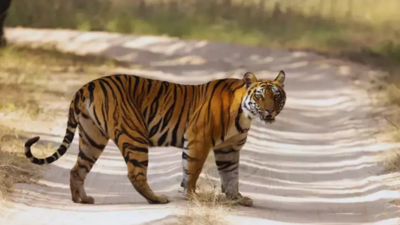
The unified Kuno-Madhav landscape now supports cheetahs and tigers in a 3,428 square kilometre area, fostering better species and habitat preservation
These changes have created a more structured and unified approach to wildlife management across the Kuno-Madhav landscape, strengthening both species conservation and habitat preservation. The latest newsletter from the Kuno National Park authorities highlights the importance of these developments.
For many years, the Kuno-Madhav region remained underdeveloped in terms of wildlife conservation, primarily due to the absence of a major carnivore species like the tiger or cheetah. The introduction of cheetahs in September 2022 and the relocation of tigers to Madhav National Park in March 2023 have brought renewed attention to the region. These developments, as stated in the official report, signify a turning point in the conservation landscape of Madhya Pradesh.
Significant expansion of protected areas
As part of these developments, Kuno Wildlife Division has been expanded by an additional 542.49 square kilometres, bringing its total area to 1,777 square kilometres. This includes 369.81 square kilometres from Sheopur Forest Division and 172.67 square kilometres from Shivpuri Forest Division. Likewise, Madhav National Park has been officially declared a tiger reserve, with a newly designated buffer zone spanning 1,276 square kilometres. As a result, Madhav Tiger Reserve now covers a total area of 1,651 square kilometres.
The integration of Kuno Wildlife Division and Madhav Tiger Reserve has led to the creation of one of the largest contiguous wildlife conservation areas in central India. From Karera in the east to the Rajasthan border in the west, a vast landscape of 3,428 square kilometres now falls under the jurisdiction of the Director of the Lion Project.
Unified administration for streamlined conservation
Previously, conservation efforts in this landscape were fragmented due to the involvement of multiple forest divisions, including Shivpuri and Sheopur. The lack of centralised management often led to delays and inconsistencies in implementing conservation strategies. However, with KWD and MTR now falling under a single administrative framework, wildlife management policies can be executed more efficiently. This integration ensures better coordination between conservation efforts and administrative decision-making.
The newsletter from Kuno National Park emphasises that these changes are crucial for adopting a landscape-level approach to conservation. The unified jurisdiction under the Director of the Lion Project is expected to improve the efficiency and long-term sustainability of wildlife protection measures.
A habitat for multiple large carnivores
Currently, the expanded Kuno-Madhav landscape supports a growing population of large carnivores. At present, 26 cheetahs inhabit Kuno Wildlife Division, while Madhav Tiger Reserve is home to six tigers, including cubs. The newly expanded and interconnected habitat significantly enhances the potential for establishing self-sustaining populations of these species.
Scientific studies, including the Wildlife Population Habitat Viability Analysis (PHVA), indicate that a larger, well-managed habitat is essential for ensuring the survival and genetic health of big carnivores. The increased connectivity between Kuno Wildlife Division and Madhav Tiger Reserve allows for greater movement of wildlife, reducing the risks associated with habitat fragmentation.
“The landscape approach to wildlife conservation is critical for species like tigers and cheetahs, which require large, connected habitats. The expansion of KWD and MNP under unified management provides a strong foundation for the future conservation of these iconic species,” said wildlife officers working in the region.
The expansion also presents a unique opportunity to manage three major carnivore species—cheetah, tiger, and leopard—within a single conservation framework. This model of integrated wildlife management is expected to serve as a reference for conservationists and policymakers across India.
A model for future conservation efforts
With the continued reintroduction of species like cheetahs and tigers, the region now holds immense potential to develop into a thriving ecosystem. The larger, interconnected landscape is expected to facilitate improved population viability, allow for easier implementation of conservation strategies, and maintain vital wildlife corridors for unhindered animal movement.
Experts believe that the Kuno-Madhav landscape, under the direction of the Lion Project, has the potential to become an international model for large-scale, integrated conservation efforts. The expansion of protected areas and the introduction of a unified administrative structure could serve as a benchmark for other wildlife conservation projects in India and beyond.
By prioritising habitat connectivity and long-term ecological balance, conservationists hope that the newly expanded Kuno-Madhav landscape will continue to be a safe haven for endangered species. The steps taken in Madhya Pradesh are now being closely observed as a case study in sustainable wildlife management, demonstrating how large-scale conservation planning can successfully restore biodiversity and ensure the long-term survival of threatened species.
End of Article
Follow Us On Social Media







Hot Picks
Top Trending
Explore Every Corner
Across The Globe
Tua TagovailoaShaquille O NealBoard Exam Result 2025Canada Elections 2025Donald TrumpICSE & ISC Results 2025Pahalgam Terror AttackCEO Harshavardhana KikkeriIndian Techie Kills Family in USPakistan Minister Attatullah TararAlok JoshiTS SSC Class 10th ResultGold Rate PredictionPM ModiCISCE Results 2025Saquon BarkleyJKBOSE Class 12 ResultStock MarketCEO Kathpalia ResignIPS Sanjiv BhattCISCE Pass PercentageAustralia Elections 2025Gold rate todayDonald Trump cryptocurrencyWorld Gold ReservesGold rate predictionIPL Purple CapIPL Orange CapIPL Schedule 2025IPL Points Table
Hot on the Web
Akshaya Tritiya 2025Akshaya Tritiya 2025 WishesJaat Box Office CollectionGround Zero Box Office CollectionEntertainment News Live UpdateKesari 2 Box Office CollectionGood Bad Ugly Box Office CollectionAkshaya Tritiya WishesHealth TipsBrain ExercisesPowerful DrinksPyramid Of GizaJaved AkhtarKiara AdvaniChia Seeds For Hair GrowthUnique Green Colour BirdsBaby Girl NamesWorld Oldest Living AnimalsParesh RawalLow Maintenance SucculentsLuck Fishes for HomeAjith KumarOptical illusionDiabetic Friendly FruitsCanadian PM Mark CarneyEurope Power OutageHair Growth OilsKareena KapoorLabrador Retriever VS Golden RetrieverSheena Bajaj Pregnancy NewsAries May HoroscopeTaurus May HoroscopeGemini May HoroscopeCancer May HoroscopeLeo May HoroscopeVirgo May HoroscopeLibra May HoroscopeScorpio May HoroscopeSagittarius May HoroscopeCapricorn May HoroscopeAquarius May HoroscopePisces May Horoscope
Trending Topics
Telangana SSC 2025 ResultsCheteshwar PujaraOscar PiastriCSK vs PBKS MatchMichael HusseyShahid AfridiRiyan ParagVaibhav SuryavanshiNovak DjokovicCBSE Board ResultPSEB Class 10th ResultTelangana Class 10 ResultsJKBOSE Class 12 ResultICSE Class 12 ResultICSE Class 10 ResultConor McgregorPawan KalyanJustice Bhushan Ramkrishna GavaiNovo NordiskHarshavardhana KikkeriDeven BhartiGeoffrey HintonCanada Election Results 2025Wordle TodayNYT ConnectionsIntel Ceo Lip Bu TanSam AltmanNyt StrandsElon MuskUS Indian Family SuicideKarnataka Mob LynchingIAS Smita SabharwalIAS Ashok KhemkaIPS Nalin PrabhatKolkata Hotel FireFaridabad MurderAkshaya Tritiya Gold priceSimhachalam Temple CollapseAhmedabad DemolitionWho Is Ashok KhemkaPublic Holidays AprilGarena Free Fire Max Redeem Codes
Popular Categories
HeadlinesSports NewsBusiness NewsIndia NewsWorld NewsBollywood NewsHealth+ TipsIndian TV ShowsTechnologyTravelEtimesHealth & FitnessWWENFLPahalgam Terror AttackAstrologyWeather TodayIPLAnimeApril Bank HolidaysPublic Holidays in AprilIPL TeamsStock Market HolidaysNSE HolidaysBSE HolidaysMCX HolidaysTechnology NewsInternational SportsPublic HolidaysBank Holidays
Latest News
Algeria drafts wartime mobilisation bill amid regional tensionsCould climate-conscious kids sway Australia's election?elangana SSC 2025 results declared: Regular candidates score 92.78%, girls outperform boys with 94.26% pass rateAmazon CEO Andy Jassy shares 3 steps plan to cut bureaucracy at companiesAjith Kumar hospitalised in Chennai for medical treatment; Fans request for official statementPM Modi to skip Russia's invitation, not to visit Moscow for May 9 celebrationsMeghan Markle-Prince Harry divorce: 5 things she needs to learn from her past marriage with director Trevor Engelson'Exercise caution': India fact-checks fake news and misinformation by Pakistan on social mediaLuffy vs the world: Battle of Elbaf redefines One Piece’s endgameTech-addicted kids at home? SHOCKING study reveals severe impactsUS official tells UN top court 'serious concerns' over UNRWA impartialityBig price, smart buys:Light feels right for Akshaya Tritiya shoppersVietnam War 50 years on: How it changed perception of warAfter suspending Indus Waters Treaty, India may oppose IMF’s $1.3-billion loan to PakistanSa Re Ga Ma Pa Li'l Champs 4: Judge Srinivas gifts ₹25,000 to fulfill contestant Divinesh's wish to buy a milkvan for his fatherNaruto still strongest ninja in Boruto, says creatorTHIS Thunderbolts star has a desi connection and fans are already predicting her MCU futureDance is my sadhana: Avirup Sengupta
Copyright © 2025 Bennett, Coleman & Co. Ltd. All rights reserved. For reprint rights: Times Syndication Service