
- News
- City News
- bhopal News
- Madhya Pradesh HC orders protection for ‘interfaith’ couple facing threats
Trending
Madhya Pradesh HC orders protection for ‘interfaith’ couple facing threats
The Madhya Pradesh High Court has directed the state government to protect an interfaith couple in Gwalior from threats to their lives. The couple, despite facing opposition due to religious differences, seeks to register their marriage under the Special Marriage Act with necessary police protection.
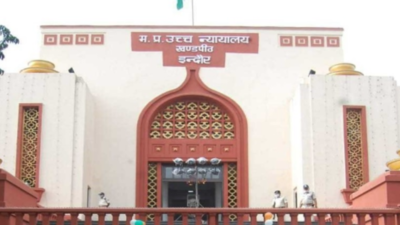
Madhya Pradesh HC
The couple, a 21-year-old Hindu man and a 20-year-old Muslim woman, approached the Gwalior bench after expressing fears of violence from their respective families.
They had filed a writ petition through Advocate Ashish Singh Jadon, who stated that the woman’s family was opposed to the relationship and had been threatening the couple.
In the petition, filed under Article 226 of the Constitution of India, the couple sought the following reliefs:
Continuous surveillance and monitoring around their residence in Ward No. 7, near the New Bus Stand in Karera, District Shivpuri, to ensure their safety.
Preventive action by the police against any individuals, including the woman’s family members, who attempt to intimidate, harass, or harm the petitioners.
Any other relief deemed appropriate by the court, given the circumstances.
The petitioners explained that despite their desire to marry, they were facing strong opposition from their families due to their different religious backgrounds. The couple has been living together in a live-in relationship based on mutual trust and affection.
Their counsel argued that the couple requires police protection to approach the marriage officer and register their marriage under the Special Marriage Act.
They further requested that, in the event any complaint is filed by the woman’s family alleging abduction, the police should conduct a preliminary inquiry before registering any FIR. The counsel also urged that the statements of the petitioners be recorded before any action is taken on such complaints.
The State’s counsel supported the petitioners’ request, stating that if the couple approached the authorities for protection, their plea would be considered, emphasising that it is the duty of the state to ensure the safety of its citizens.
The court, after hearing the parties, addressed a crucial legal question regarding the marriage of a Muslim woman to a non-Muslim man. On 1 January, the court had requested the petitioners' counsel to clarify whether a Muslim woman can legally marry a non-Muslim man.
Citing Clause 265(2) of Mahomedan Law, which states that a Muslim woman cannot contract a valid marriage except with a Muslim, the court noted that a marriage between a Muslim woman and a non-Muslim man would be considered irregular but not void.
The State’s counsel also agreed that if the petitioners approach the authorities for protection, full protection would be provided to ensure they can approach the marriage officer and register their marriage under the Special Marriage Act.
After hearing the plea, the court ordered that if the petitioners approach the Superintendent of Police, Shivpuri, expressing their intention to file an application for marriage registration under the Special Marriage Act, police protection will be provided to them. The police will ensure the couple’s safe transport from their home to the marriage officer’s office and back, in police custody, without any harm.
Police protection will also be extended to the petitioners for all future proceedings scheduled by the marriage officer. If the petitioners apply for police protection on a paid basis under Regulation 494 of the Police Regulation, the Superintendent of Police, Shivpuri, will decide on the matter. However, the court clarified that the protection for attending marriage proceedings would be provided at public expense, not on a paid basis.
If any complaint is filed by the family members of the petitioners regarding any offence, the police will conduct a preliminary inquiry and record the petitioners' statements before taking further action, the court ruled.
End of Article
FOLLOW US ON SOCIAL MEDIA










Hot Picks
TOP TRENDING
Explore Every Corner
Across The Globe
Taylor SwiftTom BradyFloyd MayweatherRichest WWE Superstar The RockKobe Bryant StatueConnor BedardNBA Buyout RumorsHailee SteinfeldJoe BurrowStephen CurryTaylor SwiftEvander KaneWho is Kendal SwansonDak PrescottsTyreek HillRoki Sasaki Marriage AnnouncementLebron JamesJa MorantMagic JohnsonAnthony EdwardsRanveer AllahbadiaGiannis AntetokounmpoApple Discontinues iPhone ModelsIND vs BAN Probable XIIND vs PAK Head to HeadChampions Trophy Live Streaming in USAChampions Trophy Points TableChamopions Trophy Live Streaming in CanadaChampions Trophy ScheduleICC Champions Trophy Live Streaming
Hot on the Web
Yuzvendra ChahalOkra Water BenefitsCancer SymptomsJaaved JaaferiMere Husband Ki Biwi Movie ReviewKaun Banega Crorepati 16Justin BieberTwinkle KhannaVardhaan PuriArchana PuranHina KhanNita AmbaniShashi KapoorChhaava Box Office CollectionWorld's Beautiful HandwritingMahashivratri 2025Chhaava Movie ReviewChia SeedsNilavuku Enmel Ennadi Kobam ReviewAadar Jain-Alekha Advani's Wedding Live updatesDachigam National ParkUnique Penguin SpeciesPaneer Butter Masala Dosa RecipeNew Animal SpeciesCloves Health BenefitsMeat Eater BirdsMotivational QuotesAncient AnimalsParenting MistakesOats Omelette Recipe
Trending Topics
Travis KelceAnthony DavisDarius GarlandLebron JamesEric ThomasStephen A. SmithGleyber TorresSourav GangulyVictor WembanyamaMS DhoniJosh MorrisseyJoe BurrowIIT Baba On IND vs PAK MatchElon MuskSatya NadellaNyt ConnectionsNyt StrandsMini CrosswordBrazil Orders Elon Musk To Pay FineKing Legacy CodesDa Hood CodesWordle HintsIND vs BAN Head to HeadPAK Cricket TeamIND vs NZ Head to HeadIND vs PAK Head to HeadIND vs PAK Champions TrophyChampions Trophy Live Streaming in USAChampions Trophy Live Streaming in CanadaICC Champions Trophy 2025 Live Streaming
Popular Categories
HeadlinesSports NewsBusiness NewsIndia NewsWorld NewsBollywood NewsHealth+ TipsIndian TV ShowsTechnologyICC Champions TrophyIPLTravelEtimesHealth & FitnessHollywood NewsWeb SeriesWWEUS NewsNFLIndia vs Pakistan Head to HeadIndia Vs New Zealand Head to HeadIndia vs Bangladesh Head to HeadCBSETechnology NewsInternational SportsAstrologyPublic HolidaysBank HolidaysTOISAMedithon
Latest News
Judge allows Donald Trump's administration to fire thousands of USAID staffersUS SC blocks Donald Trump from immediately firing head of whistleblower officeHina Khan hits back at Rozlyn Khan's claims of 'lying' about stage 3 breast cancer; writes ‘Giving Zero F**ks’After nine months on the sidelines with ACL injury, Lara waits patiently for his chanceHow to solo defeat Black Kyurem in Pokemon GO 5-star raidsOpenAI detects AI-powered Chinese surveillance toolUS refuses to call Russia 'aggressor' in G7 documentWhite Kyurem vs Black Kyurem in Pokemon GO: Which form is better and why?American-Lebanese attacker Hadi Matar found guilty of attempting to kill Salman RushdieWatch: Indian-origin Kash Patel takes oath on Bhagavad Gita as FBI directorCDC halts its 'Wild to Mild' flu vaccine campaign amidst the flu seasonUnions plan 1-day strike against SamsungTata Capital board to look at potential fund-raiseMost dangerous foods in your refrigeratorIndia needs to cut tariffs for its own good, says Niti CEOSatcom policy shouldn't discriminate against terrestrial cos: Sunil MittalPre-payment fee waiver for loans to MSEs likelyCitibank fined 39 lakh for violations
Copyright © 2025 Bennett, Coleman & Co. Ltd. All rights reserved. For reprint rights: Times Syndication Service