
- News
- City News
- bhopal News
- Bhopal’s water supply in healthy zone after record monsoon
Trending
This story is from February 28, 2023
Bhopal’s water supply in healthy zone after record monsoon
Water supply situation is healthy in the state capital, owing to a record downpour last monsoon. The focus for the civic body is uninterrupted supply and improving benchmarks to water supply in slums and congested areas, according to experts. Work in laying new Kolar pipeline for the state capital has been the core focus for BMC for last five years.
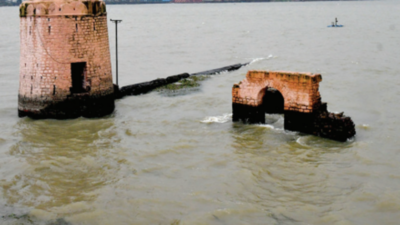
Around 70 million gallons per day (MGD) of water is being supplied in Bhopal which can be scaled up to about 90 MGD during peak summer demand

Currently, around 70 million gallons per day (MGD) of water is being supplied in Bhopal which can be scaled up to about 90 MGD during peak summer demand. Levels of Upper Lake and other water bodies remain comfortable. Around 40% of the city gets drinking water from Upper Lake.
Rest are dependent on Kolar and Narmada supply which accounts for 60% of water supply. Around 10% of Bhopal’s water supply needs are still met by tube wells, hand pumps and other alternatives. Bore wells up to 450 metres deep go dry in many areas during peak summers. Going by water pumped by the BMC, each individual in Bhopal gets a quota of 183 litres per day per household.
Focus on informal settlements
Around 90 informal settlements are located on eco-sensitive buffer zones. Households in the areas with a slope greater than eight degrees are prone to landslides.
Informal settlements along the streams and wetlands among other including the Kaliasot River slum cluster and the Harshvardhan Colony slum cluster, are prone to flooding and water-borne diseases.
The assessment of informal settlements based on their accessibility to six basic urban services and amenities, has revealed that around 300 households in three settlements do not have access to any of the six services. Around 194 settlements, have access to three or fewer urban services
End of Article
FOLLOW US ON SOCIAL MEDIA




Hot Picks
TOP TRENDING
Trending Stories
In City
Entire Website
- 2 Army officers thrashed, their female friend gang-raped in Madhya Pradesh
- Ayushman Bharat insurance scheme expanded to cover elderly above 70
- 'Will be demolished if... ': Himachal minister's assurance amid Shimla mosque row
- Garena Free Fire MAX redeem codes for September 11, 2024: Win free room cards, skins, diamonds, pet skins, and more rewards today
- GK for students: Top 8 Largest Mammals in the World
- Glut in milk production leaves Karnataka govt in spot of bother
- Hamster Kombat Daily Cipher Codes and Combo Cards for September 12, 2024: Unlock up to 1 million coins
- Shimla mosque row: HP govt confirms demolition if found illegal
- 4,4,6,6,6,4: Travis Head smashes 30 runs off Sam Curran's over - Watch
- Apple iPhone 16 vs iPhone 15: Which iPhone to buy and why
- Centre seeks review of Supreme Court’s mineral royalty judgment; CJI surprised
- 2 Army officers thrashed, their female friend gang-raped in Madhya Pradesh
- Your cousin’s poo can now cure your chronic stomach problems
- K'taka: Kumaraswamy blames appeasement politics over communal flare up
- Female junior doctor assaulted in Hyderabad hospital
- Stock market: Sensex opens over 400 points up; Nifty50 above 25,000
- While Kamala focused on substance, Trump's lies had the final word
- Apple iPhone 16 vs iPhone 15: Which iPhone to buy and why
- Vinesh Phogat owns 3 cars, repaying a loan, has Rs 1,95,000 cash
- Stock trading scam: Assamese actress Sumi Borah, husband detained

Popular Categories
Hot on the Web
Top Trends
Trending Topics
Alia BhattMalaika Arora Father DeathArbaaz KhanNatasa StankovicMr Bachchan OTT ReleaseNational Parks In IndiaSelena GomezGOAT CollectionVikas Sethi DeathMalayalam ProducersIndia's Best Dancer 4Simi GarewalDilli BabuIndian National ParksLaung BenefitsVikas SethiiPhone 16Dubai Princess Sheikha MahraMG Windsor EvWordle Answer
Living and entertainment
Latest News
Kapil Sharma gives fans a peek into his Ganesh Chaturthi festivities with wife GinniNot MS Dhoni and Rohit Sharma, Gautam Gambhir calls this Indian player 'Shahenshah'. WatchPolice registered 10 cases against Ganapati mandals for using laser beam lightsThe Zodiac Signs Most Naturally Inclined to HealingTelangana government pushes for increased flood relief from CentrePolicy of 'Padak Lao, Pad Pao' will be implemented again for the sportspersons, says Deepender HoodaBest 20000mAh Power Banks To Power Your Devices Wherever You GoWalking dog in Goa? Mouth guard, leash soon to be mustKamala may have won debate. But election is still too close to callCommunal violence erupts in Karnataka during Ganpati Visarjan, section 144 imposedMpox kills two, six other confirmed cases in Cameroon: GovernmentTrump's claim about sending Taliban leader Abdul his house photo fuels social media frenzyWWE Superstar Blames the Company for Failing to Utilize Omos’ PotentialFinding divinity in a world addicted to noiseOmar fighting for chair, I’m fighting for people of Kashmir, says Engineer Rashid after walking out of TiharTovino Thomas praises Prithviraj Sukumaran as director: "One of the brilliant directors I have ever worked with"Border Gavaskar Trophy: When Sourav Ganguly's Brisbane heroics set the tone for an enlivening seriesLive wire snaps, boy recalls science lesson, saves lives with sister
Copyright © 2024 Bennett, Coleman & Co. Ltd. All rights reserved. For reprint rights: Times Syndication Service