
- News
- City News
- bhopal News
- 4 years on, probe turns cold in most fake currency network cases in MP
Trending
This story is from June 27, 2016
4 years on, probe turns cold in most fake currency network cases in MP
It's not just coloured printouts, state capital had been a hotspot for circulation of finest quality of fake currency involving several separate modules over four years.
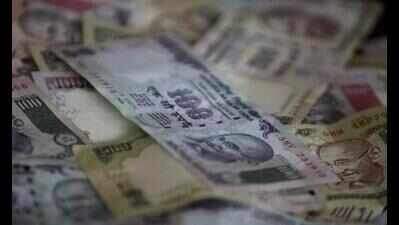
Fake currency with a total face value of Rs 12.85 crore was seized until September this year from countries such as Nepal, Bangladesh, Sri Lanka, Thailand and UAE, with Pakistanis acting as carriers in most cases. (REUTERS photo, file photo)
In most cases, investigations had hit a dead end at Raxaul (Indo-Nepal border in Bihar) and Malda (Indo-Bangladesh border).
Case of wrestler-turned cop, Zahoor Khan who was arrested by Bhopal's crime branch police on January 27, 2015 met a similar fate.

Additional superintendent of police Shailendra Singh Chouhan said Khan's case is pending in court. Regarding his linkages, the case has been forwarded to international agencies for further investigation.
Senior bank officers and cashiers of nationalised banks had a tough time to conclude that fake Indian currency notes (FICNs) seized from Zahoor Khan were fake as they matched all security features, including watermark, thread, latent image, intaglio, identification mark, fluorescence and optically variable ink.
The only deviation was a spelling error left deliberately, said investigators. Khan, who worked with special armed forces in 1981 as a constable, was nabbed by police on basis of a specific intelligence input.
When FICNs with face value of Rs 5.60 lakh (in Rs 500 and Rs 1,000 denominations) were confiscated from a false bottom of his bag, investigators were amazed by its flawless quality.
After failing to distinguish between fake and original, a sample was sent to RBI officials. After close examination, RBI reported that currencies seized from Khan were fake, but of best quality they ever came across, said an official.
RBI had pointed out the only flaw in Khan's currencies was a mistake in the micro-letter 'Mahatma' (in Hindi) printed below Mahatma Gandhi's picture. In the fake notes, it's 'Maharma' in Hindi instead of 'Mahatma'. And the mistake, officials claim, was deliberately left by its Pakistani manufactures. These currencies were brought from Malda and Murshidabad, which share border with Bangladesh and have emerged as main supply route.
Khan told interrogators he had bought notes on 50:50 ratio, which means one fake of Rs 500 for Rs 250 in genuine currency. He said he had been circulating counterfeits since 2005 and had visited Malda five times.
National Investigating Agency (NIA) were also tipped-off as the key supplier is still on the run, but to no avail.
Noteworthy that Bhopal had been on hit list of NIA in connection with fake currencies for last four years. In 2014 NIA had mentioned Bhopal, specifically, in a written submission before the Supreme Court claiming that bail should not be granted to persons engaged in circulating high value fake Indian currency notes printed in Pakistan as it amounted to an act of terror intended to destabilize India's economy.
NIA had said high quality fake Indian currency notes (FICN), which were difficult to detect by the naked eye, were seized throughout the country - three places in Bhopal, Kerala, Kolkata, two places in Bihar and also from Punjab - and claimed that it was an attempt to destabilize the country's economy and create doubt in the minds of citizens about the genuineness of legal tender.
End of Article
FOLLOW US ON SOCIAL MEDIA








Photostories

Hot Picks
TOP TRENDING
Popular Categories
Hot on the Web
Top Trends
Haryana Election ResultNew UPI Transaction LimitHurricane MiltonRBI Monetary Policy MeetingWorld First Top 10 TrillionairesStock Market TodayKerala Lottery ResultElection Results 2024Biblical TreeJammu Kashmir Election ResultIsrael Hezbollah WarHardik SinghManagement Colleges of IndiaTop Medical Colleges of IndiaTop Engineering Colleges of IndiaTop Pharmacy Colleges of IndiaLive Cricket Score
Trending Topics
Tulsi KumarBigg Boss Tamil 8 Contestants ListAjay DevgnNavratri Colours 2024Sanjay Leela BhansaliDurga Puja 2024Bigg Boss 18 House PhotoDevara CollectionBigg Boss 18Deepika PadukoneShailesh LodhaDevaraGovinda NewsNational Film Awards 2024Swatantrya Veer SavarkarColdplay India tour 2025Watch NFL Live StreamDress To ImpressCall Of Duty Black Ops 6Wordle Answer
Living and entertainment
Latest News
After crackdown, Hyderabad’s infamous ‘bride bazaar’ moves onlineA historic victory for "Kallanum Bhagavathiyum" on Amazon Prime7 Potassium-rich foods to eat during Navratri vratHurricane Milton: Why Tampa area is so vulnerable to stormsUP Muslim family creates 80-feet pollution-free Ravan effigy for DussehraBeard Trimmer with Titanium Blades: Style Your Beard to Perfection with Unmatched SharpnessEthel Kennedy, widow of Senator Robert F Kennedy Sr suffers stroke in sleep, hospitalisedMozambique votes in tense election likely to see ruling party winSum 41’s Deryck Whibley accuses former manager of sexual abuse in new memoirHyundai aims to raise up to $3.3 billion in record India IPOLibra, Daily Horoscope Today, October 09, 2024: Today is a test of your resiliencePrabhas starrer 'Kalki 2898 AD' gears up for its release in JapanMan declares income of Rs 9.6k, pays tax on Rs 43.5L after US earnings addedKerala lottery results: Thiruvonam bumper BR-99th winners for 09 October 2024; first prize Rs. 25 crore, second prize Rs 1 crore and third prize Rs. 50 lakhsZodiac Signs Most Likely to SucceedPatanjali Foods gets CCI nod for Rs 1,100-crore buyout of parent's home & personal care businessDocumentary suggests Bitcoin creator Satoshi Nakamoto is developer Peter ToddDry Anjeer vs soaked Anjeer: Which one's better for a glowing skin?
Copyright © 2024 Bennett, Coleman & Co. Ltd. All rights reserved. For reprint rights: Times Syndication Service