
- News
- City News
- bengaluru News
- Union Budget 2026: 7 high-speed rail corridors announced, including Mumbai-Pune, Hyderabad-Bengaluru; check full list
Union Budget 2026: 7 high-speed rail corridors announced, including Mumbai-Pune, Hyderabad-Bengaluru; check full list
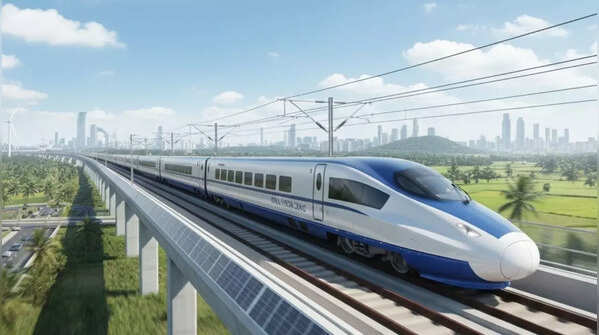
Mumbai–Pune high-speed rail corridor
One of India’s busiest intercity travel routes could see a dramatic transformation with a proposed bullet train link between Mumbai and Pune. The corridor is expected to cut travel time between the financial capital and Maharashtra’s education and IT hub to record time. This route could heavily benefit daily business travellers, students, and industry professionals moving between the two cities. (AI image)
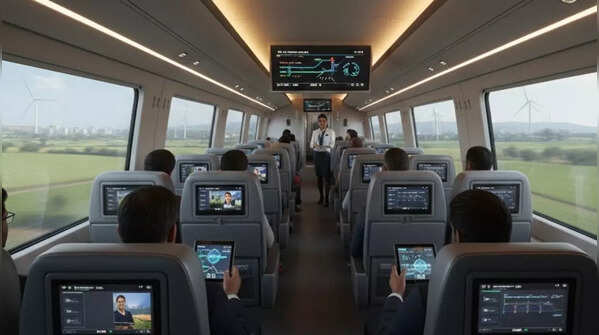
Pune–Hyderabad rail train link
The proposed Pune–Hyderabad high-speed corridor aims to connect two major tech and industrial centres of India. Hyderabad’s pharmaceutical and IT ecosystem, along with Pune’s manufacturing and startup landscape, makes this route economically strategic. A high-speed link would boost business travel, logistics efficiency, and regional economic integration across western and southern India. (AI image)
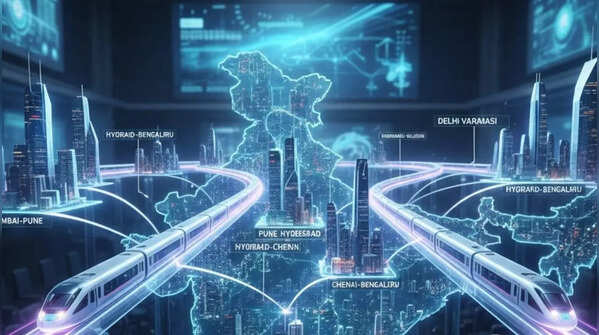
Hyderabad–Bengaluru high-speed corridor
Linking two of India’s biggest technology powerhouses, this corridor could redefine corporate and startup travel. Bengaluru, the country’s tech capital, and Hyderabad, a fast-growing innovation hub, see heavy air and road traffic. A bullet train on this route would provide a faster, greener alternative to flights while easing congestion on highways and airports. (AI image)
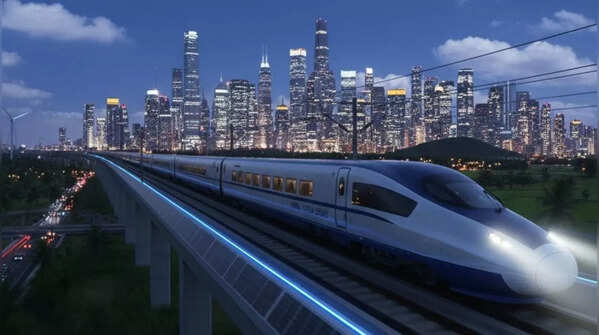
Hyderabad–Chennai high-speed train route
This corridor would strengthen connectivity between Telangana and Tamil Nadu’s capital, a key automobile, port, and IT city. Chennai’s industrial belt and Hyderabad’s growing global business presence make this route vital for trade, talent movement, and industrial growth. The high-speed link may also reduce dependence on short-haul flights between the two metros. (AI image)
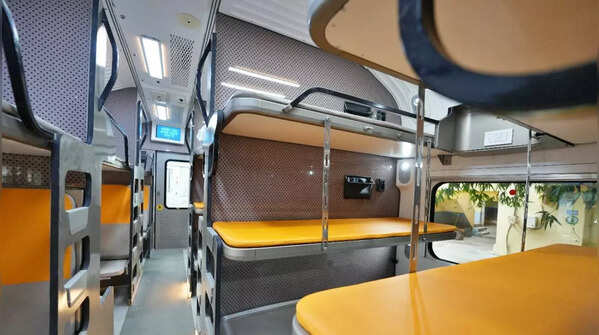
Chennai–Bengaluru high-speed rail
Already one of the most travelled business routes in south India, Chennai–Bengaluru sees constant road, rail, and air traffic. A bullet train could slash travel time to nearly an hour, boosting IT, automobile, and electronics industries in both cities. It could also support the rapid urban expansion happening along this economic corridor.
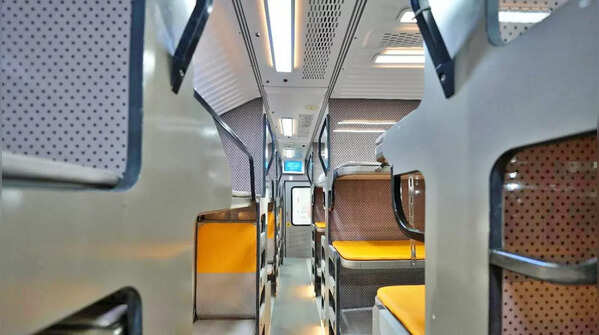
Delhi–Varanasi high-speed corridor
Connecting the national capital with one of India’s most important spiritual and cultural cities, this route carries both economic and tourism significance. Faster connectivity could boost pilgrimage tourism, business travel in eastern UP, and overall regional development, while easing pressure on existing rail and air services.
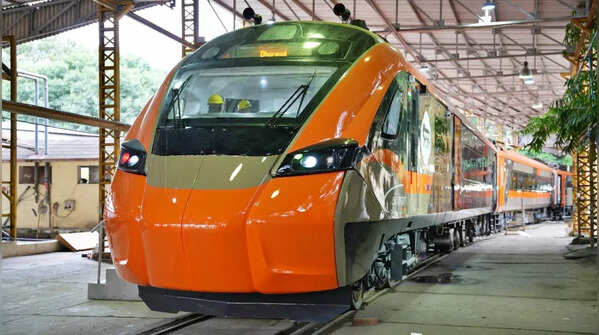
Varanasi–Siliguri high-speed train link
This proposed corridor would extend high-speed connectivity deep into eastern and northeastern India. Siliguri acts as the gateway to the Northeast, while Varanasi is a major religious and cultural centre. The route could play a major role in integrating eastern states into India’s high-speed rail network and improving long-distance passenger mobility.
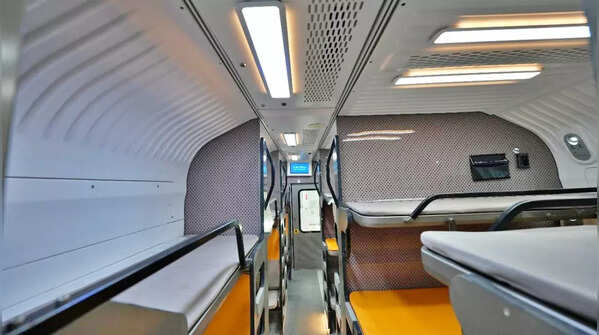
India’s first bullet train under construction
Currently, India does not have an operational bullet train. The Ahmedabad–Mumbai High-Speed Rail project is the first such corridor under construction. The Gujarat section of this project is expected to become operational in phases.
Push for sustainable, future-ready travel
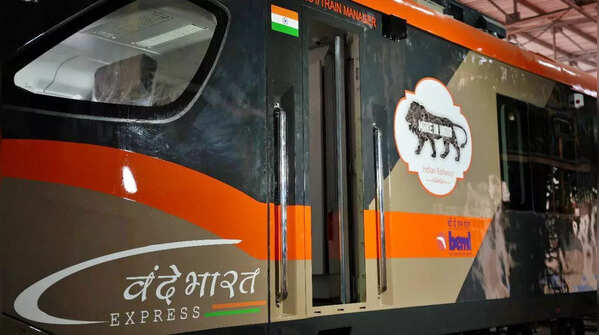
The announcement of seven high-speed corridors reflects a shift toward environmentally sustainable and high-capacity passenger systems. High-speed rail consumes less energy per passenger compared to short-haul flights and could significantly reduce road congestion and carbon emissions over the long term.
Railway budget’s focus on modernisation & growth
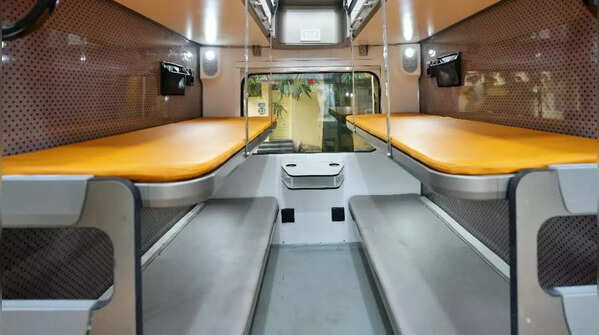
In recent years, railway allocations have increasingly focused on infrastructure expansion, safety systems like Kavach, and modern train sets such as Vande Bharat and Amrit Bharat. The proposed bullet train corridors signal a long-term vision: faster travel, stronger economic corridors, and world-class passenger experience across India.
Featured In City

