
- News
- City News
- bengaluru News
- Gender issues find wider expression through arts
Trending
This story is from September 18, 2016
Gender issues find wider expression through arts
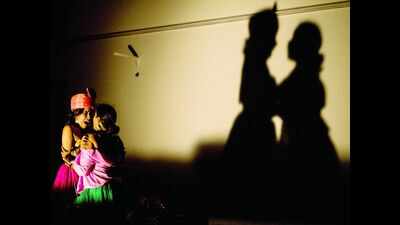

A fresh perspective
“The aim is to go beyond the binaries and instill a fresh perspective on a subject matter that, until now, has only been limited to books or cinema. Instances like the Nirbhaya case need to be put forth in as many diverse ways as possible for common people to understand and reflect on. For example, the Gender Bender project includes a piece that tells audiences the story of two school kids, but from the perspective of a boy and a girl. Discussions on the lost history of women are also not uncommon, but we need more art forms to come to the fore to touch upon a varied range of topics that still seem to be limited only to a handful of platforms,” says actor and arts manager Shiva Pathak.
Using our senses as a guide
Immersive theatre artist Aruna Ganesh Ram’s work dramatic piece, titled Coloured and Choosing, aims at breaking stereotypes and biases that usually shroud gender issues, and open up imagination. “We encourage members of the audience to get engaged in the performance that largely involves the senses — primarily, touch. It’s about a person’s ability to make choices with a more holistic and nuanced approach,” explains Aruna.
Exploring the sensorial landscape further, dancer-choreographer Diya Naidu crafts an act that traverses over touch and intimacy to help the spectator give a fresh look at the dynamics within a broader canvas. “Through our movement arts performance, which is devised along the principles employed in the Rorschach inkblot test, we have tried to question certain gender-related ideas that are ingrained in our minds since the early years of our life, and hence are instrumental in shaping our psychology,” says Diya.
Putting the conventional in a modern context
What’s often seen as a traditional medium has upped its relevance in a very modern and topical avatar. Puppeteer Varun Narain, for example, used this art form with a twist — merging global warming with gender issues. “My project is loosely inspired by the book, The Secret Life of Plants. The three characters of the puppet show comprise three spice plants — saffron, cardamom and garlic. It largely shows that things at a level of evolvement,” Varun says, adding, “Modern Indian puppetry that mixes indigenous elements with that of other nations like Japanese art could be a strong medium that needs to delved into more.”
End of Article
FOLLOW US ON SOCIAL MEDIA







Photostories

Hot Picks
TOP TRENDING
Popular Categories
Hot on the Web
Top Trends
IND vs BAN Live ScoreIND vs SL LiveNew UPI Transaction LimitHurricane MiltonRBI Monetary Policy MeetingWorld First Top 10 TrillionairesStock Market TodayKerala Lottery ResultElection Results 2024Oxford UniversityIsrael Hezbollah WarHardik SinghManagement Colleges of IndiaTop Medical Colleges of IndiaTop Engineering Colleges of IndiaTop Pharmacy Colleges of IndiaLive Cricket Score
Trending Topics
Diwali WishesBigg Boss Tamil 8 Contestants ListBhool Bhulaiyaa 3 TrailerNavratri Colours 2024Sanjay Leela BhansaliDurga Puja 2024Bigg Boss 18 House PhotoDevara CollectionBigg Boss 18Deepika PadukoneShailesh LodhaDevaraColdplayNational Film Awards 2024Swatantrya Veer SavarkarColdplay India tour 2025Watch NFL Live StreamDress To ImpressCall Of Duty Black Ops 6Wordle Answer
Living and entertainment
Latest News
CATS YouTube codes for October 9, 2024: Earn 500 CATS and know how to redeem the codesHurricane Milton: Why Tampa area is so vulnerable to stormsBeard Trimmer with Titanium Blades: Style Your Beard to Perfection with Unmatched SharpnessTHE World University Rankings 2025: IISc Leads India , Check the List of Top 10 Indian Institutes HereAre HDFC Bank, Axis, Kotak a value buy or value trap for investors?Triptii Dimri on emotional struggles following criticism for 'Animal’: Side effect of being in a mainstream filmDid the threat of ‘first Hindu CM’ help NC-Congress win J&K?Ethel Kennedy, widow of Senator Robert F Kennedy Sr suffers stroke in sleep, hospitalisedRanbir Kapoor's UNSEEN BTS pic from 'Shamshera' goes viralSum 41’s Deryck Whibley accuses former manager of sexual abuse in new memoirMudassar Aziz: A filmmaker needs to carefully study while pegging a film around the idea of stardomHyundai aims to raise up to $3.3 billion in record India IPOPrabhas starrer 'Kalki 2898 AD' gears up for its release in JapanMan declares income of Rs 9.6k, pays tax on Rs 43.5L after US earnings addedPatanjali Foods gets CCI nod for Rs 1,100-crore buyout of parent's home & personal care businessWho is Aniruddhacharya Maharaj? Know more about Pookie Baba’s life journey and net worthWill Allu Arjun be able to beat Prabhas in North America with Pushpa 2?OnePlus 12 is available for Rs 35,314 only on Amazon; check exchange deal and bank offers
Copyright © 2024 Bennett, Coleman & Co. Ltd. All rights reserved. For reprint rights: Times Syndication Service