
- News
- City News
- bengaluru News
- Centre directs Karnataka govt to cancel licenses for commercialisation of breast milk: High court told
Trending
This story is from November 15, 2024
Centre directs Karnataka govt to cancel licenses for commercialisation of breast milk: High court told
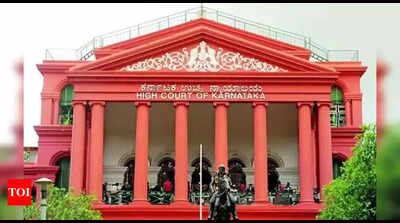
The Union government has directed the Karnataka government to revoke licenses that allowed private companies to profit from human breast milk. The directive, prompted by a PIL, led to the cancellation of licenses initially granted under Ayurvedic norms. One company, challenging the revocation, highlighted the high prices of packaged breast milk products. The case will be further heard in December.
You Can Also Check: Bengaluru AQI | Weather in Bengaluru | Gold Rate Today in Bengaluru | Silver Rate Today in Bengaluru
Kamath said, “The central government has mandated the State to cancel all such licenses. 
About the AuthorTOI City Desk
End of Article
Follow Us On Social Media

Photostories
Hot Picks
Top Trending
Explore Every Corner
Across The Globe
IND vs AUS LiveAdam SandlerStephen CurryTravis KelceStephen Curry WifeCarter HartJannik Sinner vs Carlos Alcaraz Net WorthGabrielle UnionBrittany MahomesNBA Trade RumorsDuke RoufusShannon KobylarczykMitch Marner Net WorthIShowSpeedWho is Shannon KobylarczykCardi BVanessa BryantSaudi Zamzam WaterUAE Golden VisaSaudi RailwaysNFL Trade DeadlineConnor Bedard Net WorthYang Chen-NingUK digital ID SchemeEmiru Net WorthBihar elections 2025Pokemon GoBuccaneers vs LionsNFL Trade Deadline 2025No Kings protests
Hot on the Web
Cholesterol Lowering FoodsChoti Diwali WishesBlood Sugar ControlParineeti ChopraDiwali WishesDiwali Rangoli DesignsHappy Choti Diwali WishesVande Bharat Sleeper Train 2025Dhanteras MessagesDelhi NCR TrafficDhanteras Shubh MuhuratConstipation Relief FoodsBaek Se-heeLower CholesterolRise and Fall WinnerSumona ChakravartiKidney HeathLemon Water BenefitsProstate Cancer PreventionVitamin D ToxicityOG Ott ReleaseSanjeev KumarKramp Twitter ReviewZaira Wasim WeddingBest Time For WalkFacial Paralysis SymptomsKidney HealthArjun BijlaniBison Kalamaadan Movie ReviewKantara Box Office CollectionElephant Safari National ParkRosemary Water Vs Rosemary OilMaple SyrupNight Flights Are CheaperChronic ConstipationWeight GainIranian SnakeBudget Friendly GetawaysMultigrain Flour BenefitsDiwali AI Photo PromptsDaily Exercise For Heart Health
Trending Topics
India vs Australia ScorecardAttack on CricketersRashid KhanPatrick MahomesRandi MahomesTaylor OliviaBrittany MahomesJoe BurrowMark SanchezAndre AgassiAnthony Davis Net WorthTom BradyJennifer LopezCharlie Kirk AssassinationLebron JamesAfghanistan Cricket BoardMaya RudolphPakistani AirstrikesMehul ChoksiStephen Curry WifeTrevon DiggsTNPSC Group 4 Exam ResultsBill BelichickCarter HurtStefon DiggsCarolina HurricanesLeon DraisaitlUkraine Russia ConflictNasser HussainAjit AgarkarBihar Election DateTCS Hr Chief Sudeep KunnumalSridhar VembuAndy JassyElon MuskGoogle To Invest $15 Billion In IndiaNyt ConnectionsWordle TodaySony Playstation Network OutageGoldman SachsSundar PichaiIRCTC Down
Popular Categories
HeadlinesSports NewsBusiness NewsIndia NewsWorld NewsBollywood NewsHealth+ TipsIndian TV ShowsTechnologyTravelEtimesHealth & FitnessDelhi Gold Rate TodayNumerology Number 1 HoroscopeChinese Horoscope PredictionsAstrologyWeather TodayPlatinum Rate TodaySilver Rate TodayGold Rate TodayIs Bank open todayIs Bank Open TomorrowBank Holidays in SeptemberPublic Holidays in SeptemberStock Market HolidaysNFL ScheduleTechnology NewsInternational SportsPublic HolidaysBank Holidays
Trending Videos
U.S Military Gives 'GANG WAR' Shock To Trump | CENTCOM Publicly Opposes President After Hamas ActionDrama At Mike Johnson Briefing Over GOP Girlfriend's 'Assault' | Cory Mills Under Fire'China Threatening World, Fuelling War': U.S. VOWS To Fight Back Beijing Amid Rare Minerals ROW'FIX YOUR APPROACH, OR...': Chinese RETALIATES Against Trump; Gives Big Rare Earth Shock To U.S.Putin Hosts Syrian President Sharaa In A Bid To Reset Ties After Assad Ouster | WATCHJournalist DESTROYS EU Official: ‘Why Should Russia Pay But Not Israel?' Ukraine | Gaza | WatchJust 100 kms From Mumbai Is A Village That Time Forgot | I WitnessLatin America Erupts: Arrows And Tear Gas Fly As Protesters Attack U.S. Embassy | WatchNetanyahu's Time To Payback? NATO Nation’s PM Demands ‘Punishment’ For Gaza ‘Genocide’ | IsraelPutin Fires Warning Shot As Zelensky Scrambles For U.S.’ Tomahawk: Russian Blitz Batters KharkivRussian Sub ‘Puzzles’ NATO Ahead Of Nuclear War Games; Moscow Shuts Rutte’s ‘Limping’ AttackPutin FURIOUS Over Trump’s ‘Worst-Ever’ TIME Magazine Cover | ‘Only Freaks Could…’‘Seriously, Is This Your Model?’: Rep. McClain’s US Shutdown Rant Viral, But Dems Won’t Budge‘You’re ABC Fake News…’: Trump Slaps Down Reporter After Vance’s Mic Cut During Interview | Watch‘Netanyahu Betrayed…’: Trump Aides Make Big Reveal On Chaos After Botched Israeli Strike On DohaPutin LOSES Cool At West; 'Those Ba*tards, Child Killers Were Called Rebels' | FULL SPEECHMike Johnson Shocks GOP; Quotes Schumer In Briefing, Then BLASTS 'HATEFUL' No Kings ProtestSuspected Houthi Attack In Red Sea Targets Vessel After IDF Kills Top Commander Of Yemen Rebels
Latest News
Kite Flying: An Allegory Of Meditative UnionUKPSC RO/ARO prelims exam 2024 postponed, admit cards released: Check detailed schedule and link to download hall ticketsSA20: 'Couldn't ask for a better start from Kagiso Rabada,' says Reeza Hendricks after MICT beat Paarl RoyalsIndian Armed Forces and Bajaj Auto embark on the ‘Dare Square’ rally'Kaun hai yeh?': Kapil Dev responds with humour to Yograj Singh's 'want to put a bullet' commentsWhy Stephen Baldwin thinks one of his brothers would fare better on special forces: 'A little stud muffin'Facebook founder doesn’t know who India's PM is; gets corrected by IT Minister Ashwini VaishnawDelhi polls: Atishi files nomination papers from Kalkaji seatSangam witnesses sea of devotees taking holy dip on Makar SankrantiFrom Sean 'Diddy' Combs protection plot to woke politics: LA wildfires spark surge of wild conspiracy theories'India cap shouldn't be given just like that': Sunil Gavaskar urges BCCI to trim squad size for England Test tourJimmy Kimmel Live launches L.A. fire relief donation center on Hollywood backlotChoreographer Bosco Martis is all praise for ‘Deva’ star, saying “Shahid Kapoor now dances like a superstar”Shruti Haasan discusses menstrual leave Says, 'We can apply it in some professions, but it is very difficult to apply it in cinema'Ram Charan’s Game Changer loses steam in North America as it struggles to cross US $1.9 million collectionDelhi police registers complaint against CM Atishi for using government vehicle for political purposeWWE RAW on Netflix Results and Highlights (1/13/25): Shocking Debut, Chaotic Street Fight Match and MoreMaha Kumbh 2025: Why is Harsha Richhariya the 'beautiful sadhvi' going viral on social media
Copyright © 2025 Bennett, Coleman & Co. Ltd. All rights reserved. For reprint rights: Times Syndication Service