
- News
- City News
- bengaluru News
- After cleaning up 200 black spots, Palike now focuses on large dumps
Trending
This story is from November 11, 2018
After cleaning up 200 black spots, Palike now focuses on large dumps
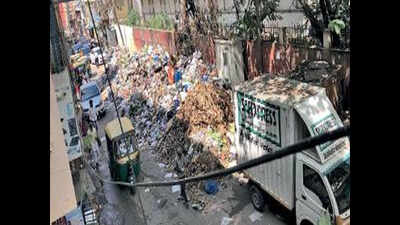
An uncleared trash mound on Avenue Road
BBMP special commissioner D Randeep said zonal joint commissioners and superintending engineers have been asked to rise to the garbage spots elimination challenge and identify at least 15 largest garbage vulnerable points (GVPs) in their jurisdictions.

The civic agency is being guided by The Ugly Indian volunteers, who have trained BBMP’s health inspectors and sanitation workers to reclaim and beautify black spots.“The removal of black spots is being done entirely by BBMP teams — no citizen volunteers or NGOs are involved. It’s an incredible achievement and augurs well for Bengaluru. Not only were these spots cleaned and adorned, but BBMP health inspectors also kept vigil for several nights and addressed the root causes that created these chronic open garbage spots,” said a volunteer from The Ugly Indian.
He said most of the black spots had been used as dumpyards for years. The Rajyotsava Rangoli Habba held across the city from November 1 to 4 served as a precursor to a more serious space transformation effort being undertaken at all open garbage spots, he added.
Randeep said the agency’s efforts have been documented and will be submitted to the high court. BBMP officials believe the clean-up drive will send out a clear message that the civic body is proactive in tackling the garbage menace and hence the identified GVPs should be in high-visibility areas — arterial roads, near tourist sites, major road junctions, VVIPs pockets and commercial hubs.
The zonal officers have been told to include the spots where garbage is shifted from auto-tippers to compactors in GVPs. Randeep has directed officials to zero in on active NGOs and resident welfare associations (RWAs) and seek their help in identifying GVPs.
End of Article
FOLLOW US ON SOCIAL MEDIA





Hot Picks
TOP TRENDING
Trending Stories
In City
Entire Website
- Centre seeks review of SC's mineral royalty judgment
- 'At 2:30 in the night, Rohit Sharma texted me and asked...'
- Schools closed across various states till 16th September: Here’s why
- Live wire snaps, boy recalls science lesson, saves lives with sister
- Many parts of Chennai face power supply disruption due to fire at Manali substation
- Aadhaar card update: Do you have to compulsorily update details on your Aadhaar every 10 years?
- Kevin Spacey allegedly demands $100,000 to vacate Baltimore residence, new owner says actor tries to 'paint himself as victim’
- Who is Jared Isaacman? Billionaire who stepped out of SpaceX capsule for first private spacewalk
- NMC approves expansion: GMC to offer 200 MBBS seats and more PG seats in 2024-25
- Veteran CPM leader Sitaram Yechury passes away
- SC grants bail to Delhi CM Arvind Kejriwal; truth has triumphed again, says AAP
- Mausam GPT: Will be able to start or stop rain in 5 years, says govt
- Sebi’s Madhabi Puri says she always does the right thing. Does she?
- When Ishan Kishan's double ton sparked Virat’s ...
- Man from Patna livestreams his suicide, jumps into river Ganga
- Unique record loading: If India beat Bangladesh in first Test...
- ‘I was molested in ambulance in which my husband was fighting for life’
- Refund on iPhone 15 & 14: Apple's policy says conditions applied
- TMC’s Mahua Moitra files complaint against Sebi chief with Lokpal
- Gurjot - Worked in a 'chappal' factory, now playing hockey for India

Popular Categories
Hot on the Web
Top Trends
Trending Topics
Alia BhattMalaika Arora Father DeathArbaaz KhanNatasa StankovicMr Bachchan OTT ReleaseNational Parks In IndiaSelena GomezGOAT CollectionVikas Sethi DeathMalayalam ProducersIndia's Best Dancer 4Simi GarewalDilli BabuIndian National ParksLaung BenefitsVikas SethiApple iPhone 16Microsoft 365 OutageSunita WilliamsWordle Answer
Living and entertainment
Latest News
Fintech Moneyview turns unicorn, 6th one this yearDebate fallout: Trump accuses ABC News of bias as Harris campaign pushes for rematch; Mark Penn calls for investigationWhat are lucid dreams? Exploring the science, benefits, and techniquesThrowback: Do you know the 'ritual' that Shah Rukh Khan has been consistenly following as an actor? Here's what the superstar saidWill Diljit Dosanjh bring his Dil-Luminati tour to Mumbai? Here's what we knowVinayan moves Kerala High Court, claims B Unnikrishnan is part of Mollywood 'Power Group'Amiable, articulate & pragmatic communistWith 72 of 89 seats for loyalists, Hooda imprint on Congress listWWE Star Discusses Why Sid Vicious Deserves a Hall of Fame SpotOpenAI releases new o1 models with reasoning capabilities; available to these users‘Kalinga blends history & mythology to create an immersive experience’Catching up with sports stars in DelhiSalman Khan surrounded by bodyguards as he arrives at Malaika Arora's mother's house to offer his condolences - WATCHMallika Sherawat makes big screen comeback in Rajkummar Rao's 'Vicky Vidya Ka Woh Wala Video'; director reveals why he cast herAadhaar update online last date is September 14; know why it is important to update Aadhaar and how to updateNIA raids pro-Khalistan preacher Amritpal Singh's relative's house in AmritsarA vision unfolds: How Levitation is crafting tomorrow’s enterprise solutionsLive wire snaps, boy recalls science lesson, saves lives with sister
Copyright © 2024 Bennett, Coleman & Co. Ltd. All rights reserved. For reprint rights: Times Syndication Service