
- News
- City News
- bengaluru News
- 75% Karnataka lakes either dry or fast drying up
Trending
This story is from May 6, 2024
75% Karnataka lakes either dry or fast drying up
75% of lakes in 31 Karnataka districts are drying up, worsening the water crisis. Tumakuru and Belagavi are severely affected, with hopes pinned on upcoming summer rain. North Karnataka lakes play a crucial role in water security.
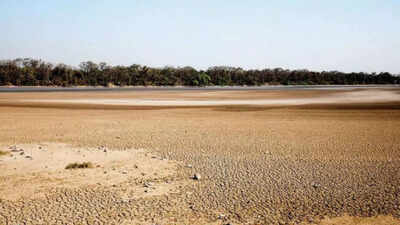
Representative image

According to the minor irrigation department, which supervises the upkeep of these lakes and waterbodies, of the 3,685 lakes in Karnataka, over 25% (964) of waterbodies have been completely dry and another 50% (1846) have 10-30% water which could last only a few weeks due to high evaporation rate.
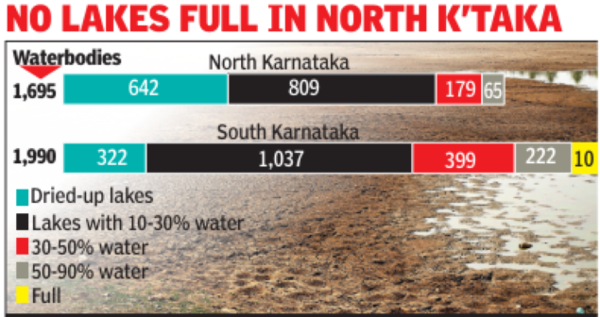
Minor irrigation minister NS Boseraju told TOI they are pinning hopes on the summer rain. "In the whole of Karnataka, only 10 waterbodies (in the south, and none in north) are filled to the brim as they are covered under the lift irrigation scheme. Otherwise, all waterbodies that get inflow during monsoons have fully dried up or are drying. We do hope the summer showers that have been lashing the state for the past one week intermittently could fill these waterbodies."
All the 10 lakes that are brimming with water are in southern districts and no lake in North Karnataka is 100% full. Bengaluru city tops the list with six lakes filled to their capacity.
Among the districts, Tumakuru (151 lakes) and Belagavi (184 lakes) have the highest number of completely dried-up lakes. "Even though parts of both districts are irrigated by Hemavathi and Krishna river, respectively, major parts of these districts are arid and dependent on these lakes, tanks for their water security. While Tumakuru has 371 lakes, Belagavi has 290 lakes - the highest for any district. These waterbodies are crucial not only for these districts but also for the adjoining regions. These waterbodies largely help recharge groundwater table in the region," explained a senior engineer from the minor irrigation department.
Yet another senior official said the average evaporation rate has increased considerably due to the alarming increase in the maximum temperature. "Until Dec, we saw evaporation of about 6 to 7 mm of water on a daily basis. However, this increased constantly during Feb, March and April due to soaring temperatures and intense heat wave conditions resulting in fast drying up of water bodies," an official remarked.
End of Article
FOLLOW US ON SOCIAL MEDIA










Photostories

Hot Picks
TOP TRENDING
Popular Categories
Hot on the Web
Top Trends
Baba Siddique NewsRussell WilsonsBaba Siddique DeathSanju SamsonWho was Baba SiddiqueMayank YadavIndia Team Qualifying ScenarioWhere to Watch India vs Australia MatchMahadev Betting AppAmazon LayoffsToday IND vs AUS MatchSuryakumar YadavManagement Colleges of IndiaTop Medical Colleges of IndiaTop Engineering Colleges of IndiaTop Pharmacy Colleges of IndiaLive Cricket Score
Trending Topics
Diwali WishesDussehra 2024 QuotesDussehra WishesVettaiyan OTT ReleaseVettaiyan CollectionVettaiyan ReviewNatasa StankovicDevara CollectionBigg Boss 18Deepika PadukoneShraddha KapoorRatan Tata Passed AwayJigra Movie ReviewVettaiyan Movie ReviewSwatantrya Veer SavarkarDussehra 2024Star Health Hacker DemandedViral MemesUltimate Football Codes October 2024Wordle Answer
Living and entertainment
Latest News
Accused did recce of Baba Siddiqui's house, monitored him for months: Mumbai PoliceParas Mhambrey joins Mumbai Indians as bowling coachSena vs Sena: Dusshera rallies in Mumbai turn political as Shinde, Uddhav take aim at each otherBaba Siddique may have died prior to hospitalisation, says doctorsTaurus, Weekly Horoscope, October 13 to October 19, 2024: Focus on gains and accomplishmentsCan a dash of cinnamon in your coffee speed up belly fat loss?Roblox dismisses claims made by Hindenburg report: "...don't support their agenda"'Procrastination greatest thief of time': HC junks 'belated case'RSS chief Mohan Bhagwat: Hindus must take lessons from Bangladesh violenceTapSwap Daily Codes for October 13, 2024: Earn coins and cryptocurrency by completing tasks2 flee Uttarakhand jail. Did they escape as Ramlila ‘vanars’ looking for Sita?Scorpio, Weekly Horoscope, October 13 to October 19, 2024: Health and self-care are essentialNumerology Predictions Today, October 13, 2024: Read your personalised forecast for numbers 1 to 9Did you know NTR is the only actor to play both Lord Rama and Ravana?Vijay celebrates 'GOAT' success as Venkat Prabhu's directorial earns 100 crore share in Tamil NaduLoneliness across generations: Why is it important to address this hidden danger?For 500 years, this village in Madhya Pradesh worships Ravan as ‘Kul Devta’'Little people dressed like dolls': Guest at Sean 'Diddy' Combs' 'freak off' party shares disturbing details
Copyright © 2024 Bennett, Coleman & Co. Ltd. All rights reserved. For reprint rights: Times Syndication Service