25 years on: What Gujarat earthquake took, and what it could not

25 years on: What Gujarat earthquake took, and what it could not
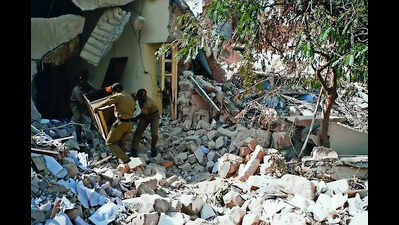
At 8.46am on Jan 26, 2001, an earthquake measuring 6.9 on the Richter scale hit Gujarat. The epicentre was near Bhachau in Kutch
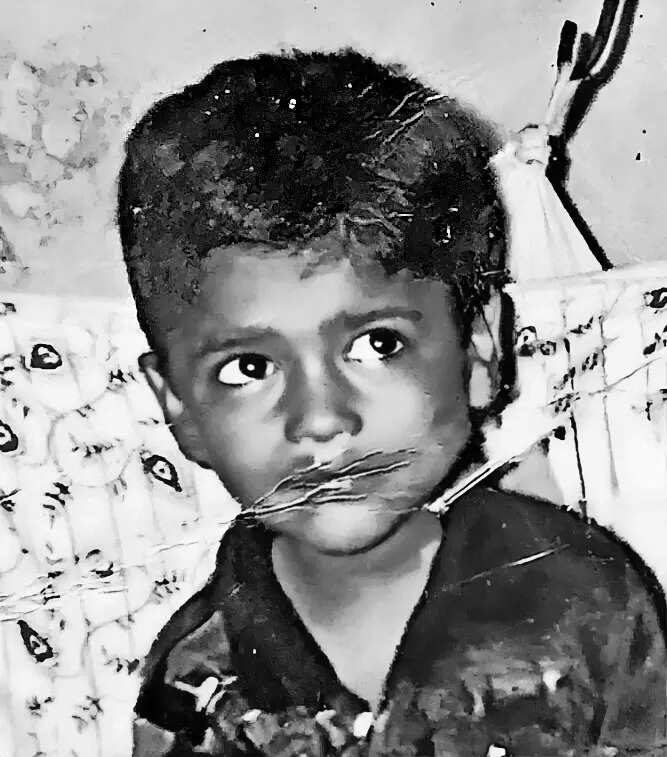
Rising From Amputation, She Raised An EngineerFor three days, Chetna Mota lay trapped under the rubble of her collapsed home in Bhuj, not knowing her husband and four-year-old daughter were already dead beside her. Her eight-year-old son, Bhargav, was trapped alongside.“There was darkness all around us,” Bhargav recalled. “I heard my mother’s voice, but my father and sister were silent. That is when I understood they had not survived.”Chetna’s injuries were severe. Both her legs had to be amputated. She spent more than three months in hospital. When she was discharged, she had nothing — no home, no husband, no clear path forward.
-
Chetna's legs had to be amputated. She also lost her husband and daughter
Ahmedabad Headlines Today — The Biggest Updates You Need to Know.
-
Eight-year-old Bhargav and his mother, Chetna, survived
To reduce expenses, she moved with Bhargav to a small village in Mandvi taluka. She did handicraft work and survived on interest from the govt compensation. Bhargav studied in govt schools. There was no money for the bus, so he walked miles to college in Bhuj.
-
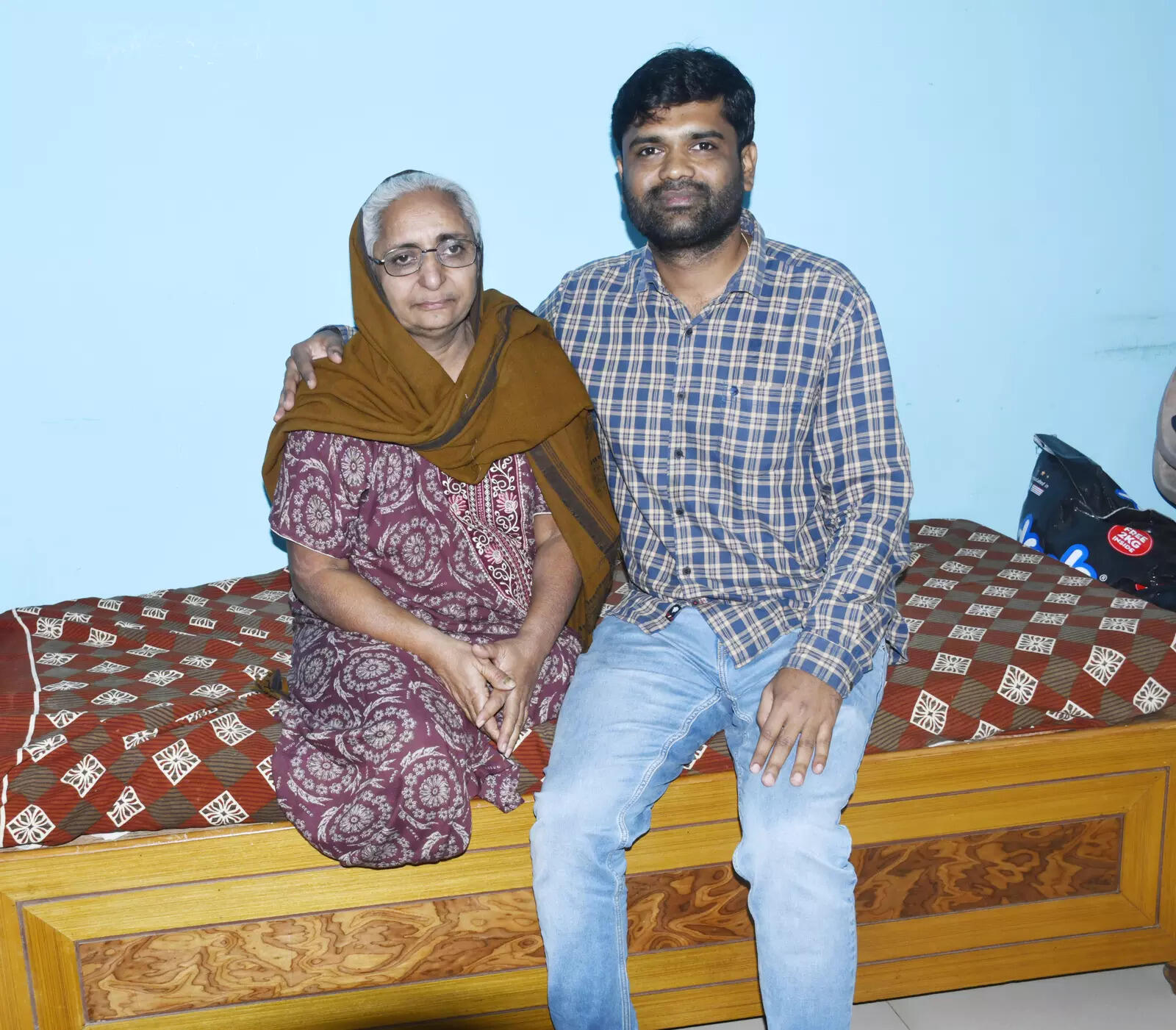
Chetna with her son Bhargav, who is an engineer today, and works with the state irrigation dept
“My mother always taught me one thing,” Bhargav says. “Never get frustrated in adverse situations. Fight against all odds and defeat them.”He listened. He became a civil engineer, cleared the Gujarat Public Service Commission exam, and today works with the state irrigation department.
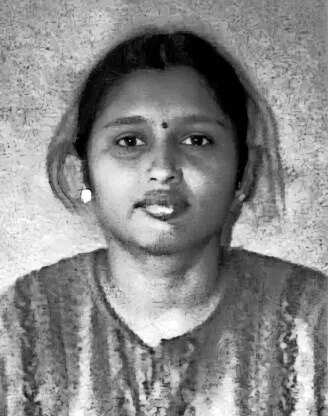
“I used to earn just Rs 1,500 a month,” Chetna, now 54, says. “The day my son put his first salary in my hands, I burst into tears. That money meant something different.”33 Surgeries, Pure Grit, Zero SurrenderNita Panchal lay trapped under concrete for two days. She lost her grandmother and cousin to the tragedy. She was rescued when someone saw her through a broken water pipeline. “Villagers tried to rescue me using a JCB, but its bucket plate broke. Finally, they punched holes through the wreckage to create an opening large enough to drag me out.”After a spinal cord injury and 33 surgeries, doctors told her she would never walk again. They were right. Then her fiancé called off the wedding. “I kept asking myself. Don’t disabled people deserve a social life?”
-
Nita Panchal remained trapped under debris for two days
-
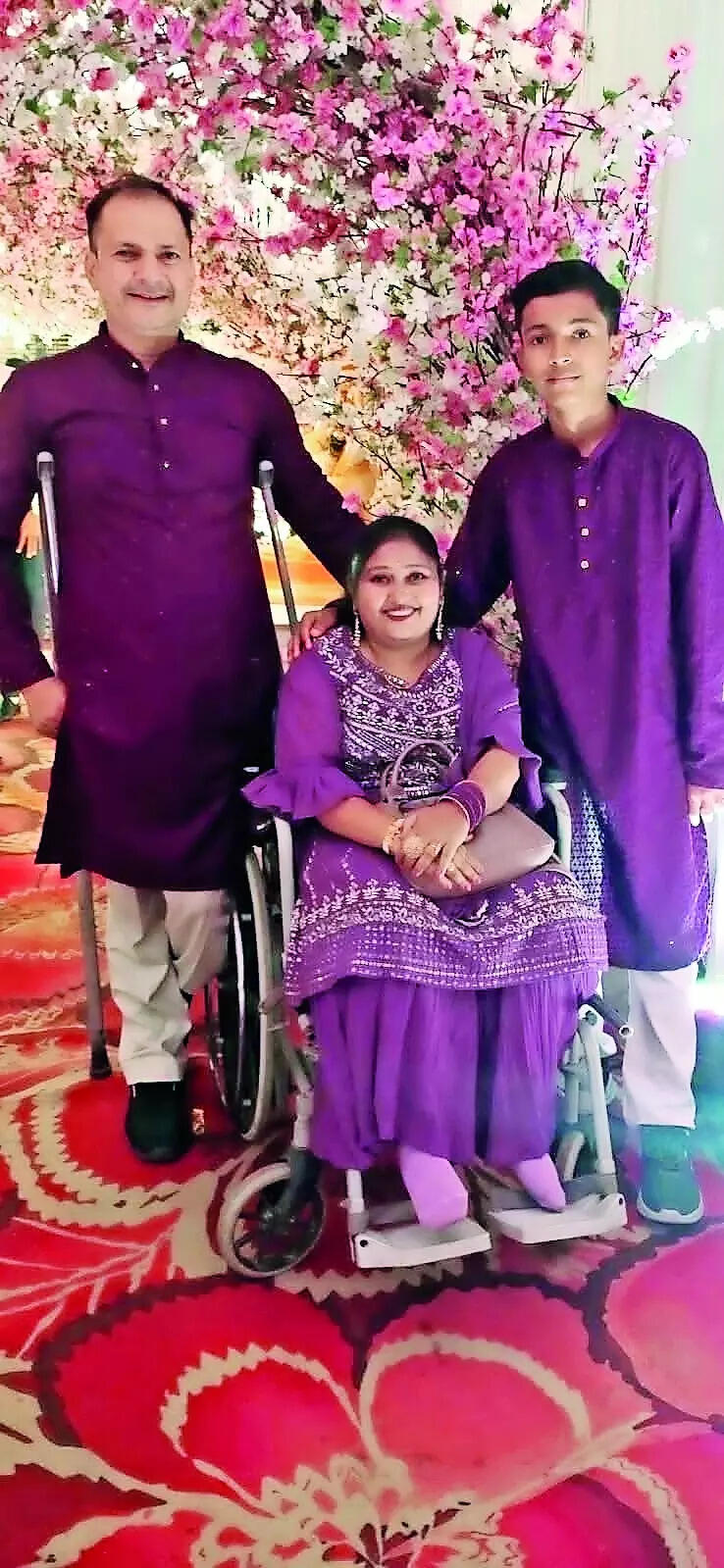
Today, Nita is happily married to Parag and has a son, Bhavya
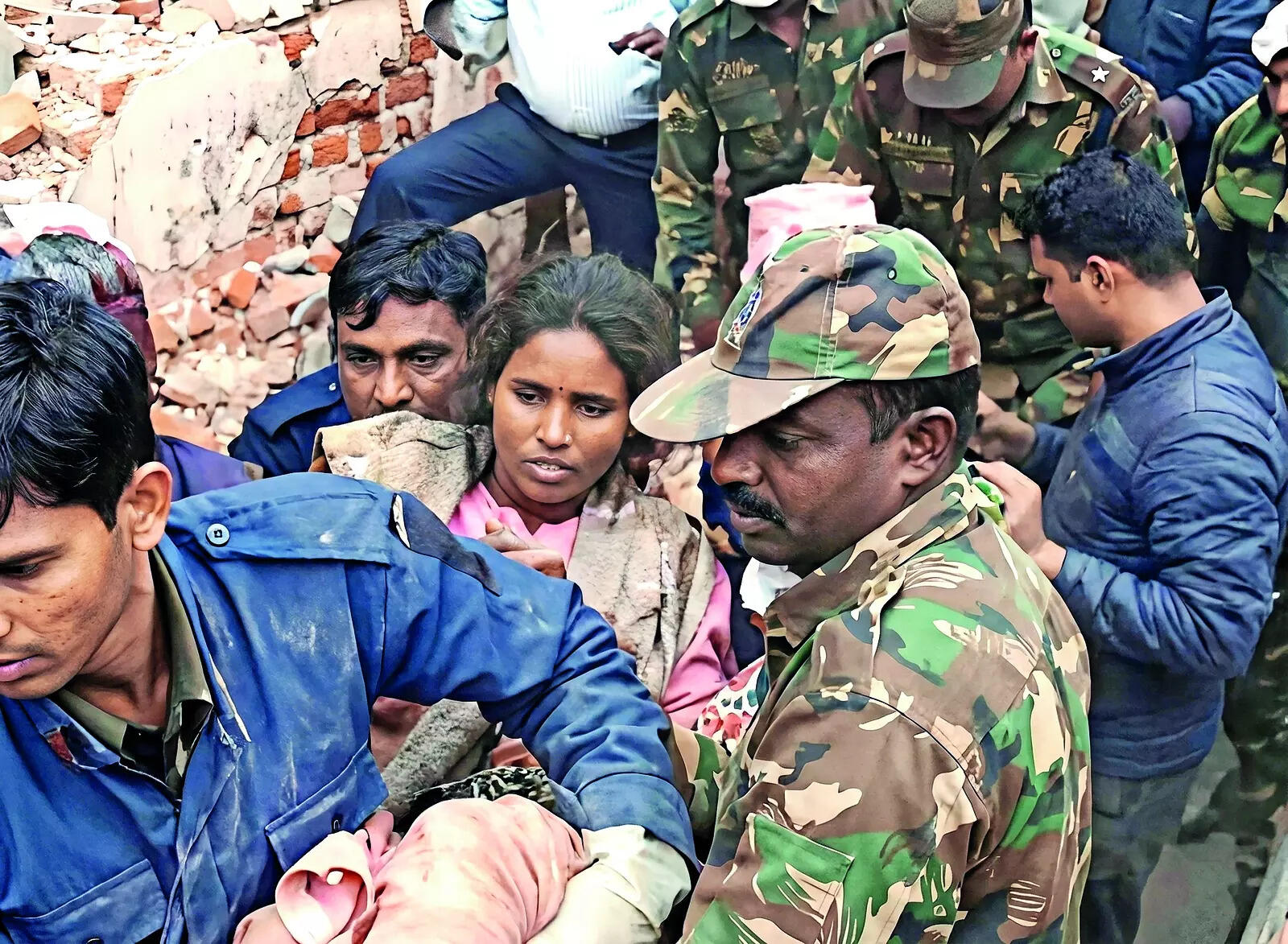
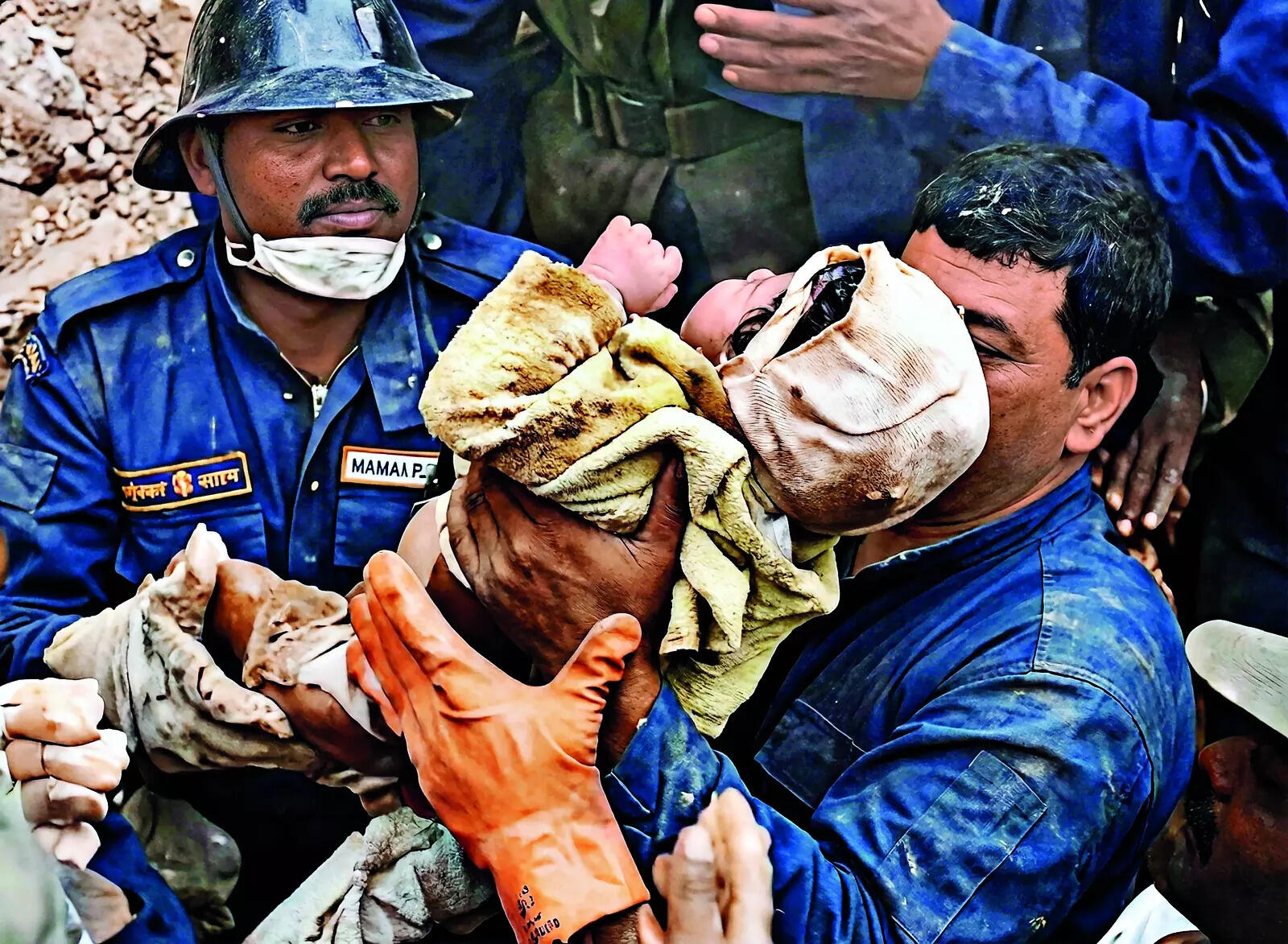
She sank into depression. Counselling and films like Naache Mayuri lit a spark. She opened a cutlery shop to survive. In 2003, she entered wheelchair hurdle race at national-level games and won silver. In 2004, she won gold. “My confidence returned.”Then she faced another blow. In 2005, her wheelchair overturned, breaking her spinal plate. She needed surgery again. That is when she met Parag Panchal from Handicap International. They got married in a hospital.Today, she runs a disability advocacy group. She has helped 830 women in becoming self-employed, trained more than 500 women, and secured government jobs for 90 people.Against all medical advice, she gave birth to her son, Bhavya, in 2009. “Becoming a mother was my greatest challenge and my biggest victory. If the earthquake hadn’t happened, I’d likely be a housewife in a small village. Life had a different plan.”What 96 Hours Taught Her About LifeCentral excise officer Nalini Kumbhare and her one-year-old son Keyur were trapped under their collapsed Ahmedabad building for over 96 hours. When rescuers pulled them out alive, Ahmedabad erupted in joy.
-
Nalini lost her five-and-a-half-year-old daughter
-
Ahmedabad erupted in joy when Nalini and her little son Keyur were rescued after 96 hours
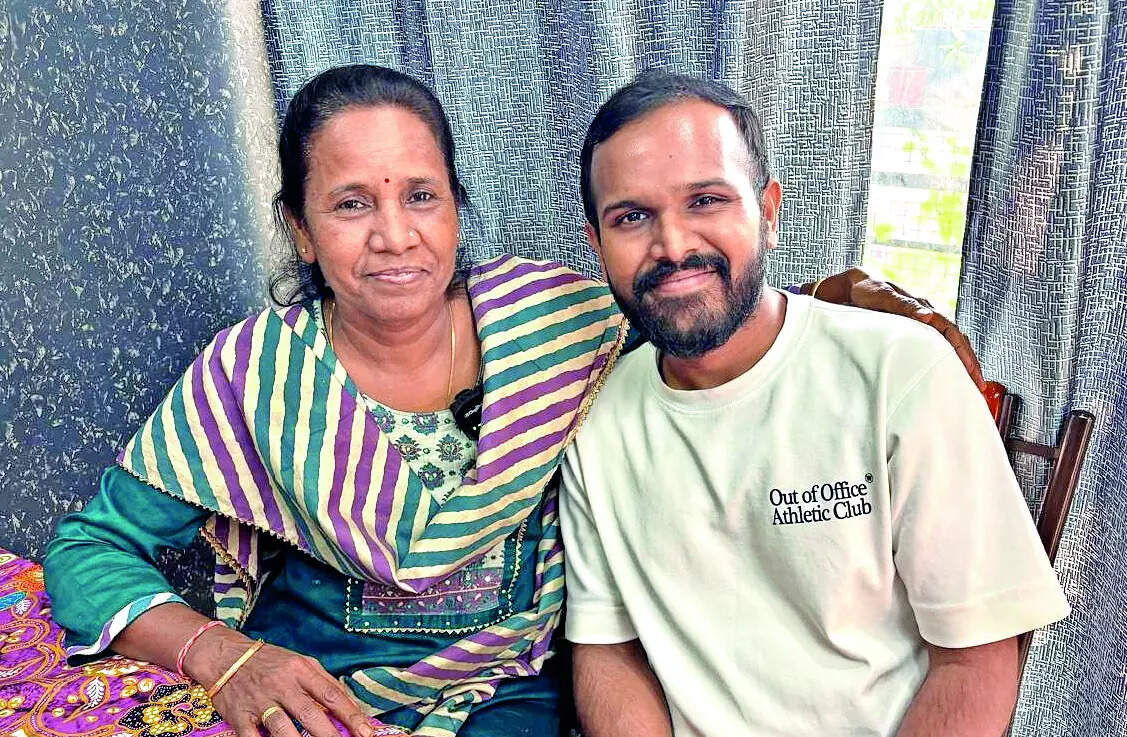
But the earthquake had already taken her five-and-a-half-year-old daughter. Her husband survived, only to need surgeries and medical care for nearly eight years. Just when life had steadied, he died of a stroke six months ago. For Nalini, the earthquake is not a distant memory. It is an event she and Keyur relive, sometimes by watching the rescue video the fire department gave them as a memento.
-
Nalini Kumbhare, a central excise officer, often watches the rescue video with her 26-year-old son Keyur
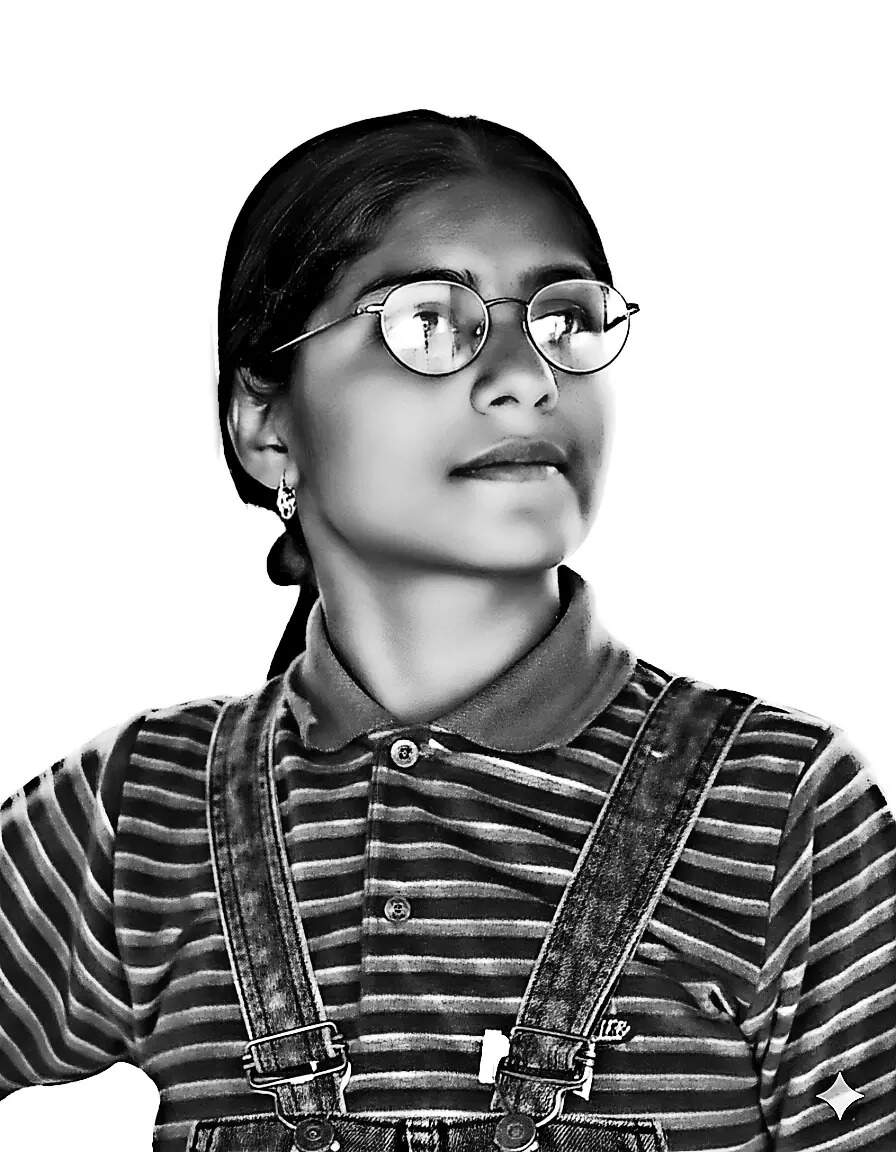
“When I was trapped for 96 hours with a one-year-old in my arms, I saw death up close. Once you have experienced that, every moment of life becomes precious.”Today, Keyur is 26 and runs his own business. “My most precious moments now are watching Keyur flourish,” Nalini says. The Tremor Never Left HerWhen the ground shakes in Kutch, Mital Thakkar’s parents hear about it from her before the news. At 36, she remains hypersensitive to tremors, a lasting mark of Jan 26, 2001, when 185 schoolchildren and 20 teachers died during a Republic Day rally in Anjar. That morning, Class 6 student Mital was marching with those children, holding the national flag, when buildings collapsed around them. She was buried under a two-storey structure.
-
Mital Thakkar was pulled out of the debris at 2.30pm that day
-
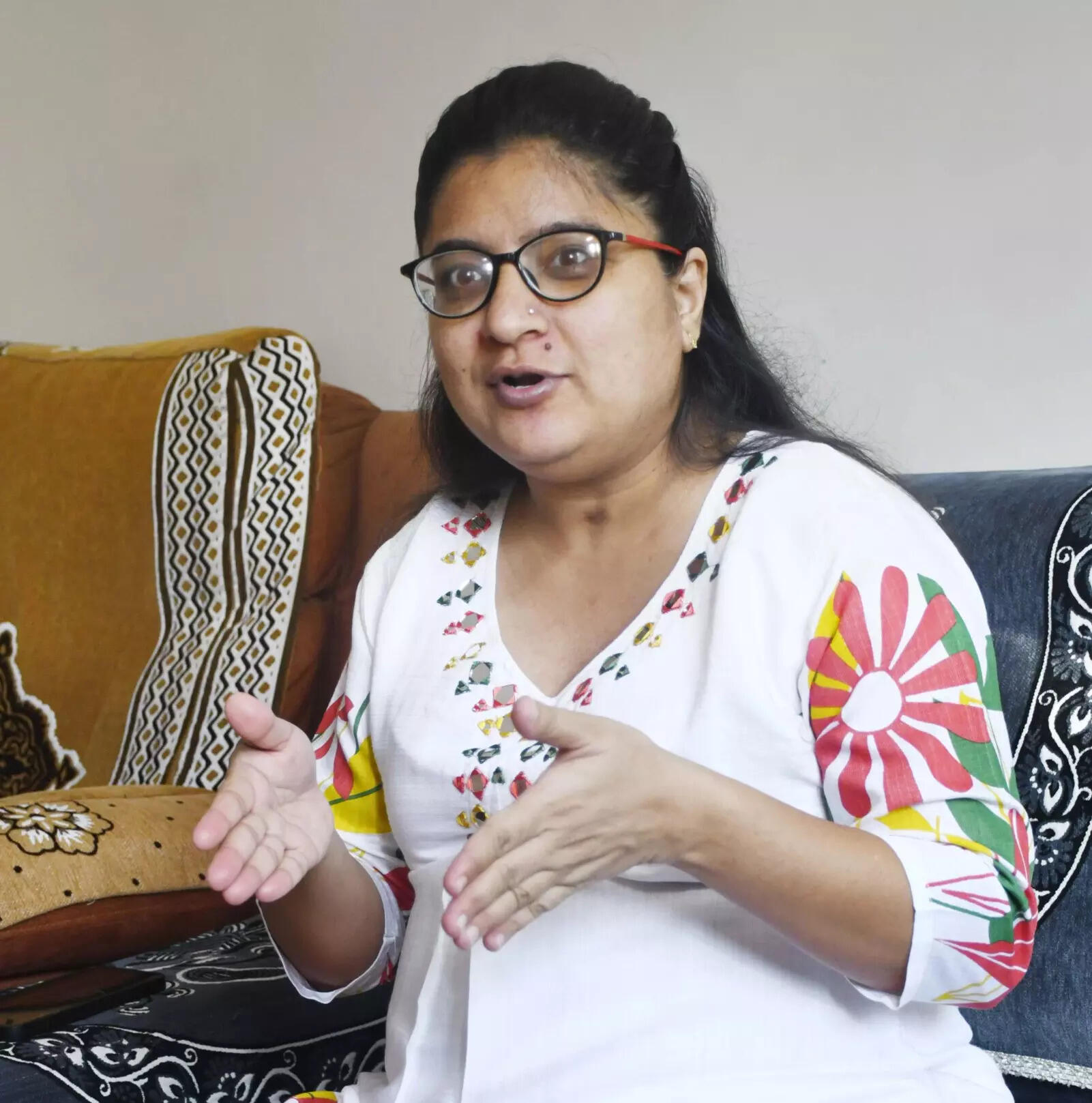
Mital Thakkar now has a PhD in environmental sciences
“I regained consciousness after hours and couldn’t breathe properly. There was dust everywhere. People were walking over the rubble. I tried to move, to make some sound, but I was helpless.”Someone spotted her T-shirt beneath the debris. She was pulled out at 2.30pm with fractured legs.The trauma ran deep. For three to four months, she crawled because she was too terrified to stand, even though she could, says Daksha Paua, her mother. A doctor finally got her to walk.“When I think of that day, it still gives me jitters,” Mital says. “I will never forget that experience till my last breath. At that time, we didn’t even know it was an earthquake.”But she never abandoned her studies, says her father Jethalal Paua. She went on to complete her BSc, MSc and PhD in environmental science. She is married now and works as a researcher, studying diatom algae to understand climatic conditions from thousands of years ago and predict future climate cycles. The earthquake changed her forever. It didn’t stop her from building a life.She Lost a Leg at 13 Months, Is Pursuing PhD Now“I lost one leg, but today I am standing on my own feet, only because of my parents,” says Sejal Rajgor, her voice steady with pride. She was 13 months old on Jan 26, 2001. Around 5 pm, she was pulled from the debris of a collapsed building in Bhuj’s Lal Tekri area. Her right leg had to be amputated. Her entire family was gone.“I don’t remember that day. But I have lived with its consequences every single day.”In the same building lived Damyanti and Ramesh, relatives from her father’s side. They were rescued after 36 hours. In the earthquake, Sejal lost her entire family. They lost all their children.
-
Sejal Rajgor lost her entire family in the quake
-
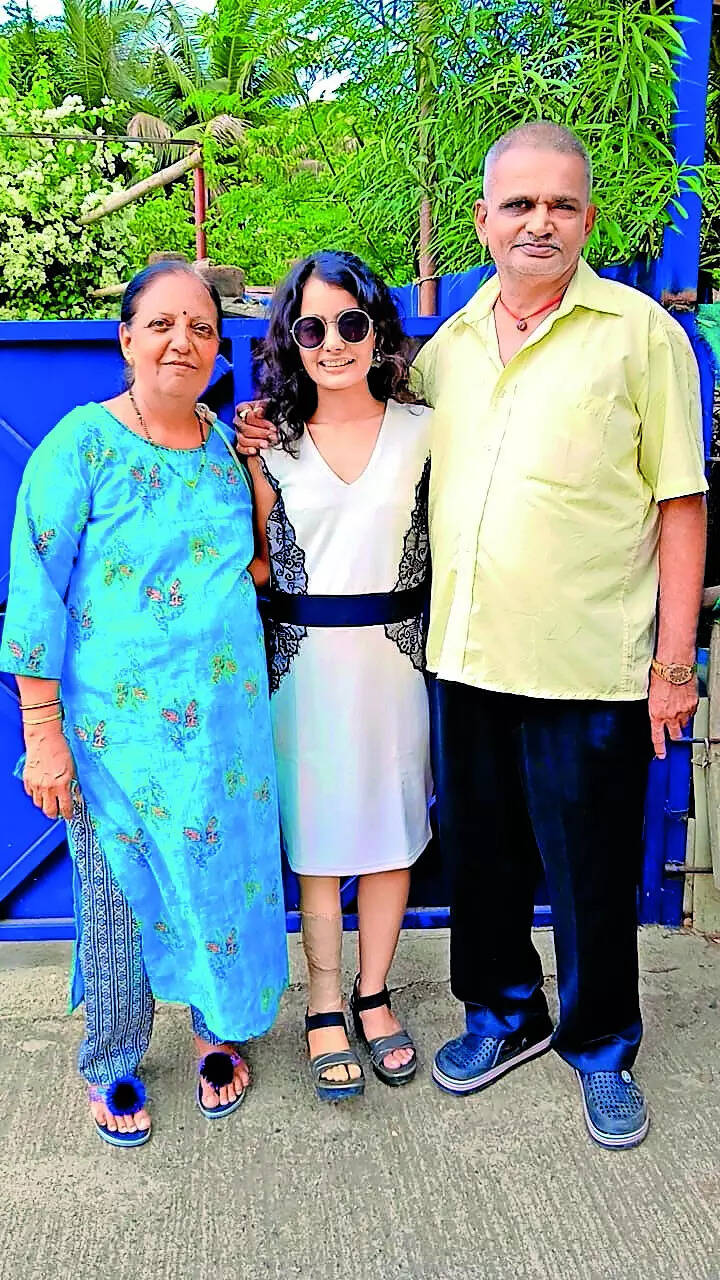
Sejal Rajgor with Damyanti and Ramesh
“They adopted me when both of us were trying to survive loss. Nothing came easy.”Her parents worked tirelessly — stitching clothes, driving a rickshaw—to ensure she studied. “They believed education would give me dignity and independence.”It did. Sejal completed her MSc, cleared GSET, and today teaches science in Classes IX and X. She is also pursuing a PhD.“Every day I stand in a classroom, I feel I have won a quiet battle. Living with a disability is not just physical. It tests your confidence. But my parents never let me feel less.”“Many years after the earthquake, my life finally feels stable. I lost a leg that day, but I found direction, strength, and a future.”Doc bride who patched up Kutch, and stayed backDr Nirmala Sharma arrived in Kutch on Jan 25, 2001 — just married, new to the region, a day before the earthquake. A gynaecologist from Mumbai, she had moved to Bela, a remote border village, to join her husband, Dr Devjyoti Sharma, who was posted there as a govt medical officer.On her second day in the village, she had little idea of what was about to happen. Her husband had gone to attend a Republic Day function when the earthquake struck. She felt the tremors and rushed out of the house just in time. Moments later, the house collapsed.
-
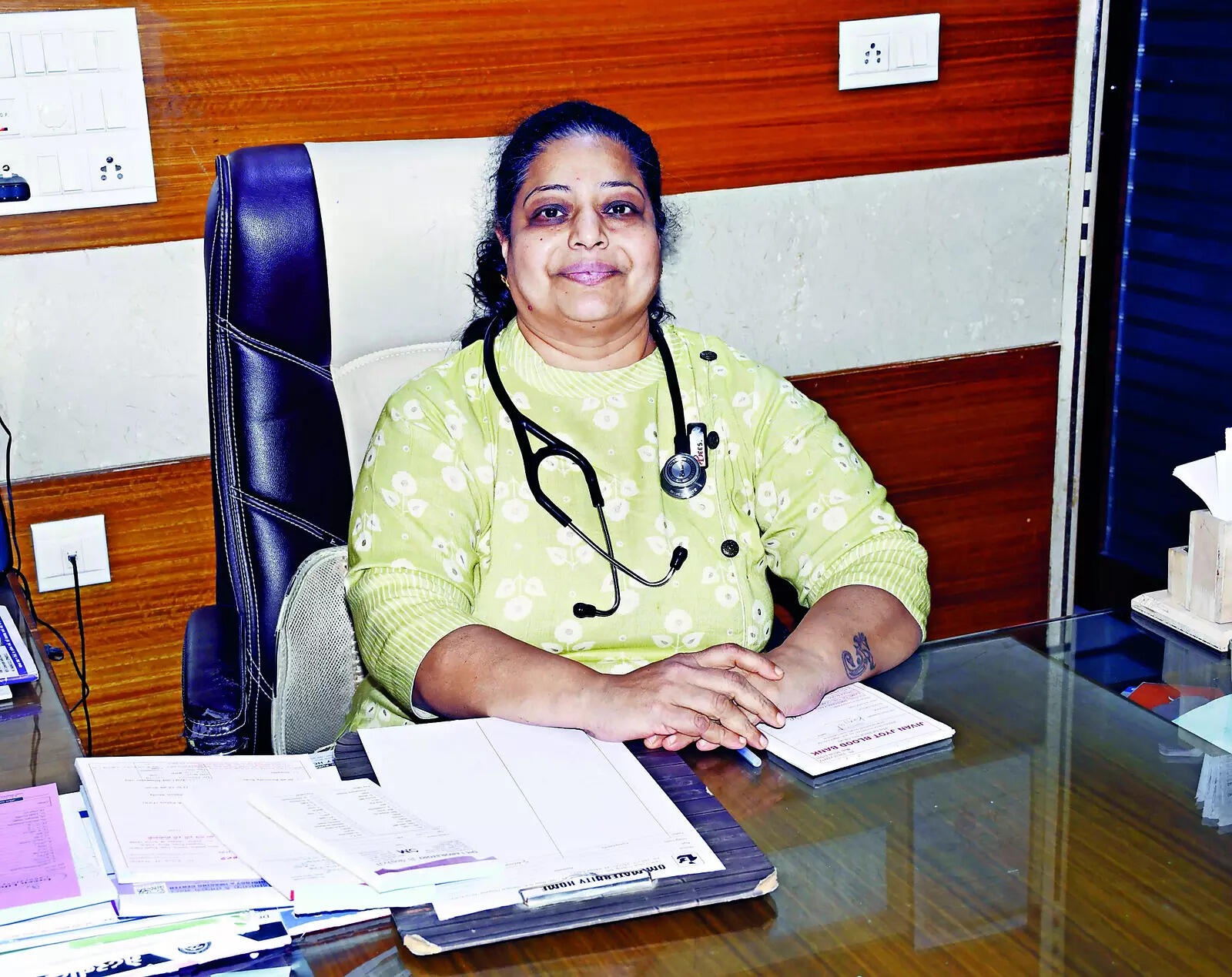
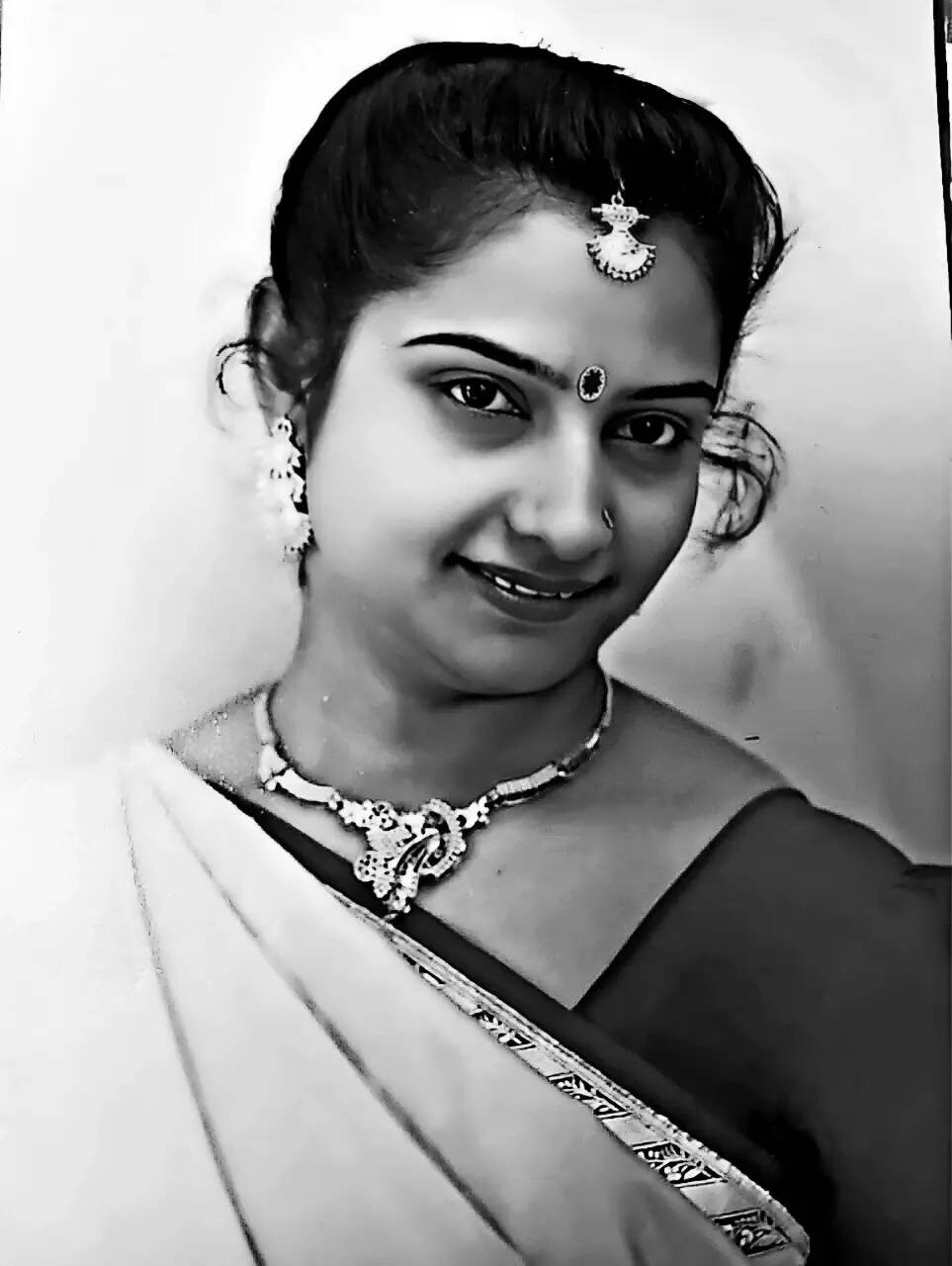
Dr Nirmala Sharma remembers how she stitched deep wounds using household needles and thread. Bandages were improvised from whatever cloth was available
There was no time to process the shock. The border villages — Bela, Jatavada, Baladar, Lodrani — had no medical facilities, and many people had suffered serious injuries. With no equipment and no support, Dr Nirmala began treating the wounded.She stitched deep wounds using household needles and thread. Bandages were improvised from whatever cloth was available. Fractured arms and legs were supported with bamboo sticks.“There was destruction everywhere. There were no medical facilities, and no one was ready to take me to nearby villages to help the injured,” she recalls. “My husband and I requested the army personnel, and they arranged a vehicle for us.”From early morning until midnight, the couple treated patients. Villagers arrived in camel carts. They started calling her “tanka lagadva vari ben (the woman who stitches wounds)”.A medical centre was finally set up in Rapar four days later. Until then, she was all they had.She was later offered a govt job, served in various talukas across Kutch, and today runs her own private clinic.What Haunts Her: She Let Her 11-Year-Old Son Skip a MealOn Jan 25, 2001, Mitul Mehta celebrated his eleventh birthday with his family. Early the next morning, he left to join the Republic Day rally in Anjar. That was the last time Asha Mehta, saw her elder son alive. “Mitul was getting late for the rally,” she recalled. “I asked him to have breakfast, but he said he would eat after the rally. He never came back. Only his body returned.”Twenty-five years later, the guilt of that uneaten breakfast stays with her.
-
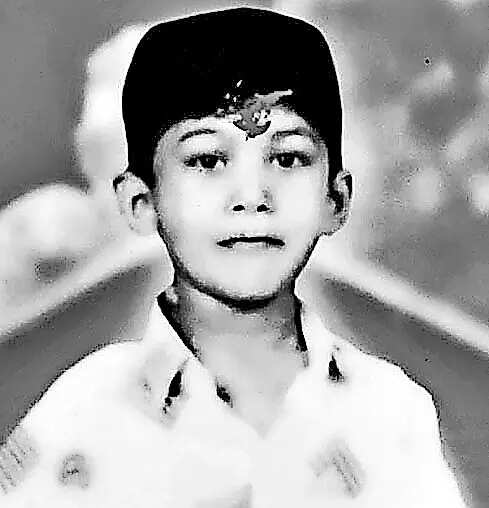
Mitul Mehta had celebrated his birthday on Jan 25. He died the next day
-
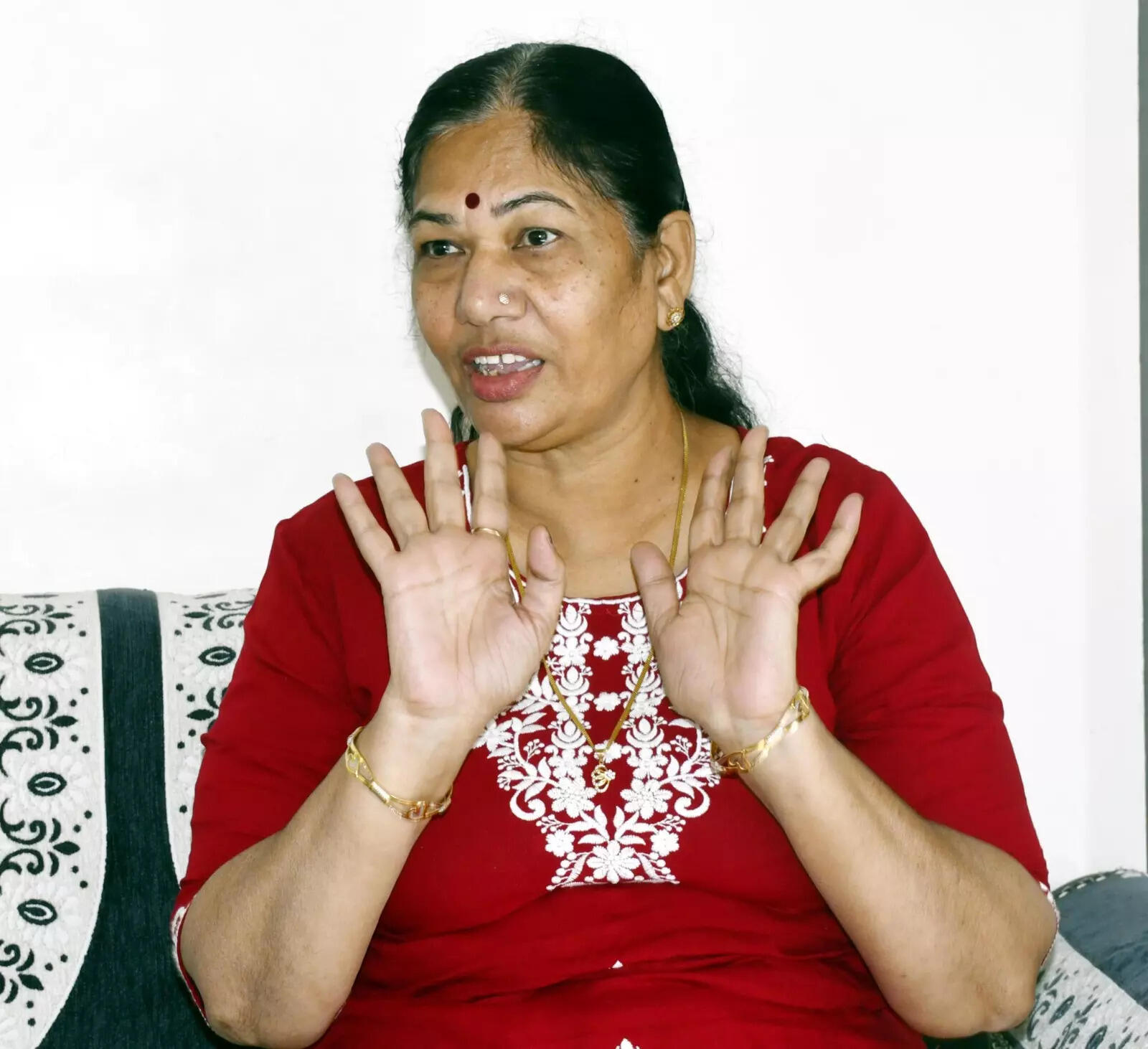
Mitul's mother Asha is still struggling to come to terms with her loss
Mitul was one of 185 children who died that morning when buildings collapsed on the marching students. Asha’s younger son survived.She also remembers the confusion that day that sealed many fates. “There were rumours before Republic Day that Pakistan might attack. When the earthquake struck, everyone believed it was an attack. Some teachers asked the students to lie down.”She pauses. “If someone had just told them to run, maybe a few more would be alive today.” Experts say the confusion that day highlights the urgent need for earthquake awareness in the region. “The awareness regarding frequent earthquakes is essential,” says Gaurav Chauhan, assistant professor in the department of geosciences at Kutch University. “That is the only way we can save lives, because Kutch is an earthquake-prone area.”She Turned Her Pain Into PracticeSeven members of Meeta Solanki’s family died when her house in Bhuj collapsed in the 2001 earthquake. She survived, but the lower part of her body lost sensation. Her toes went numb. Even today, at 54, she cannot wear chappals.“I was trapped under the debris and rescued after several hours,” she recalls. “I was bleeding. There was no proper treatment available. They took me on a bier to Jubilee Ground, where an open hospital had been set up.”
-
Meeta Solanki lost seven members of her family
-
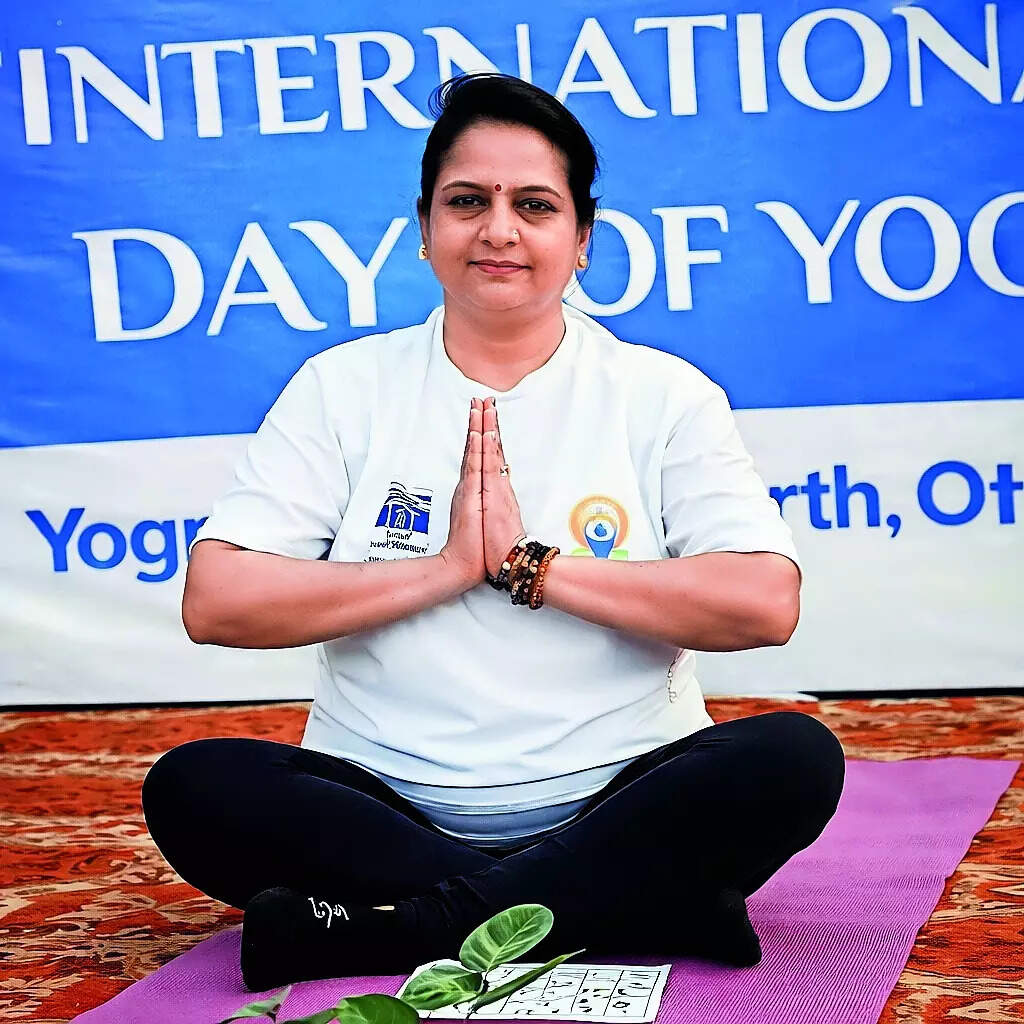
Today, Meeta is a yoga instructor
She remembers that night with brutal clarity. “It was winter. There was nothing to sleep on, and no treatment at first. My name was finally called at around 2.30am. The doctor stitched my wounds without giving any anaesthesia.”The damage to her body was permanent. For years, she focused on helping her husband rebuild his business while managing her own physical limitations.In 2011, seeking relief from chronic pain and trauma, she turned to yoga. The practice helped her physically and mentally, giving her a sense of control she thought she had lost forever.“I began believing it could help me regain control over my body despite the injuries,” she says.Today, Meeta is a certified yoga instructor. She is also an accomplished garba dancer and is frequently invited to judge major garba events across the region. The Man Who Listed The LivingWhen communication collapsed across Kutch, a Gujarati newspaper tried something unusual. Instead of listing the dead, it published the names of those who were alive.The idea came from Haresh Dholakiya, a teacher, columnist, and author of several Gujarati books. In the days after the earthquake, no one knew who had survived.“There were no mobile phones and no proper means of communication,” Dholakiya says. “Nobody knew who was alive and who was dead. Many people were missing. Someone suggested that we should publish a list of survivors, and it worked. People read the newspaper every day just to see whether their relatives or friends were alive.”Names came from hospitals, police, and people who walked in to register themselves. For many families scattered across the devastation, the daily newspaper became their only source of hope and confirmation.
-
Haresh Dholakiya, a teacher, columnist and author, published a list of survivors
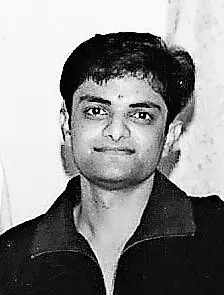
Beyond this effort, Dholakiya and his friend Prabodh Mankad also tried to lift people’s spirits during those devastating weeks. They travelled to different areas, met survivors, and spoke to them directly. Through motivational talks and humour drawn from everyday observations of life after the earthquake, they helped people cope with their grief.These short humorous pieces were regularly published in local Gujarati newspapers. Later, they were compiled and published as a book.In the middle of an earth-shattering tragedy, the column and the humour offered something rare: reassurance that loved ones were alive, and moments of relief from overwhelming loss.After 105 Hours Of Darkness, A Life Built On LightViral Dalal was 25, home from the US where he was pursuing his master’s degree and working part-time. He was visiting Bhuj with his family, staying at Sahjanand Tower, when the earthquake struck. Walls and ceilings collapsed within seconds and he found himself “buried for 105 hours in what felt like a concrete coffin”.I was not worried about myself. Something told me I was going to be okay. All I wanted was my family — my parents, brother, sister-in-law, and my two-year-old nephew.”After four-and-a-half days, rescuers from the UK’s International Rescue Corps pulled him out alive. A miracle, people said. The relief, however, vanished when he learned he was the only one from his immediate family to survive.
-
Viral Dalal was rescued after 105 hours
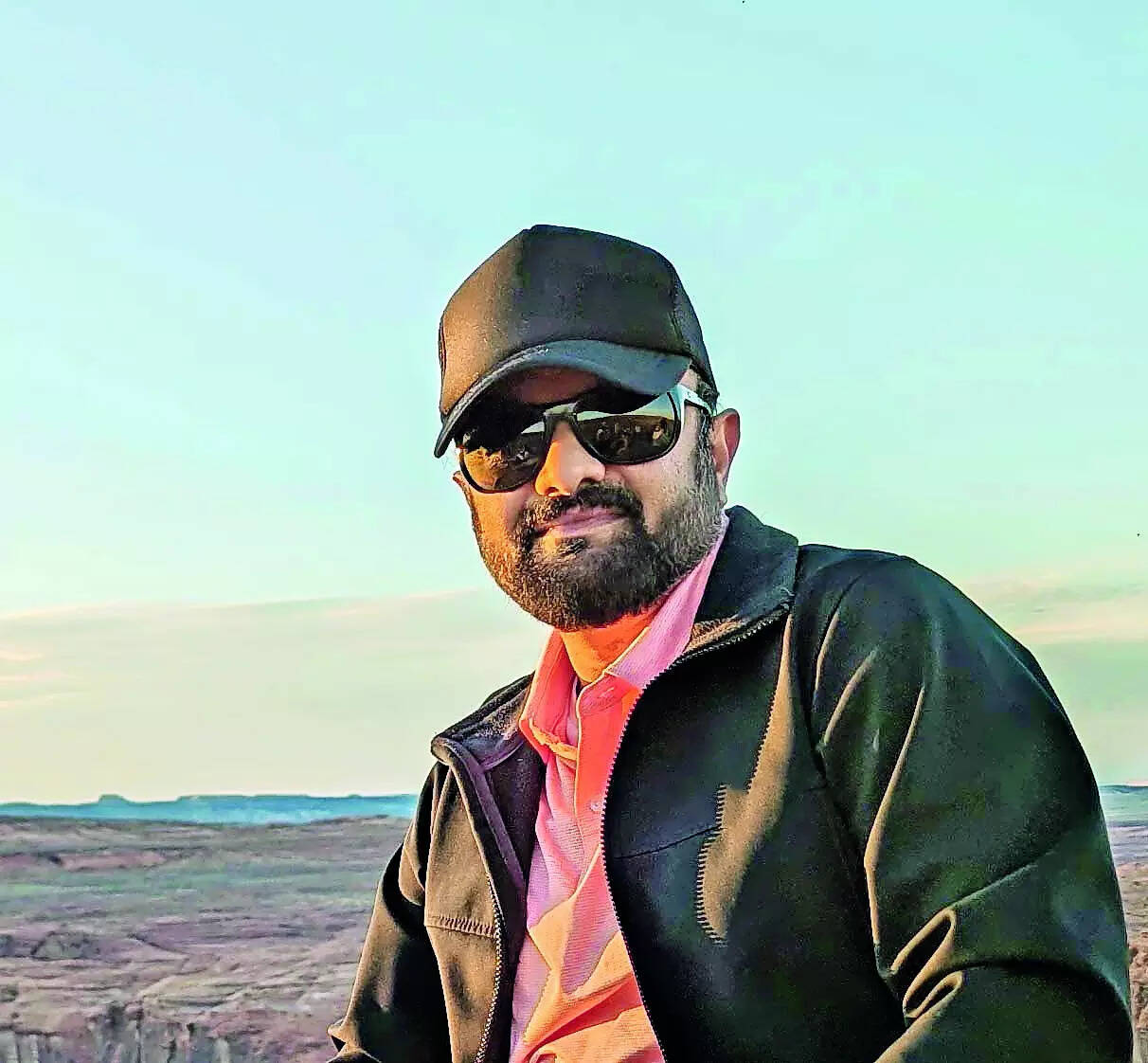
-
Today, Viral Dalal lives in Virginia with his wife and children
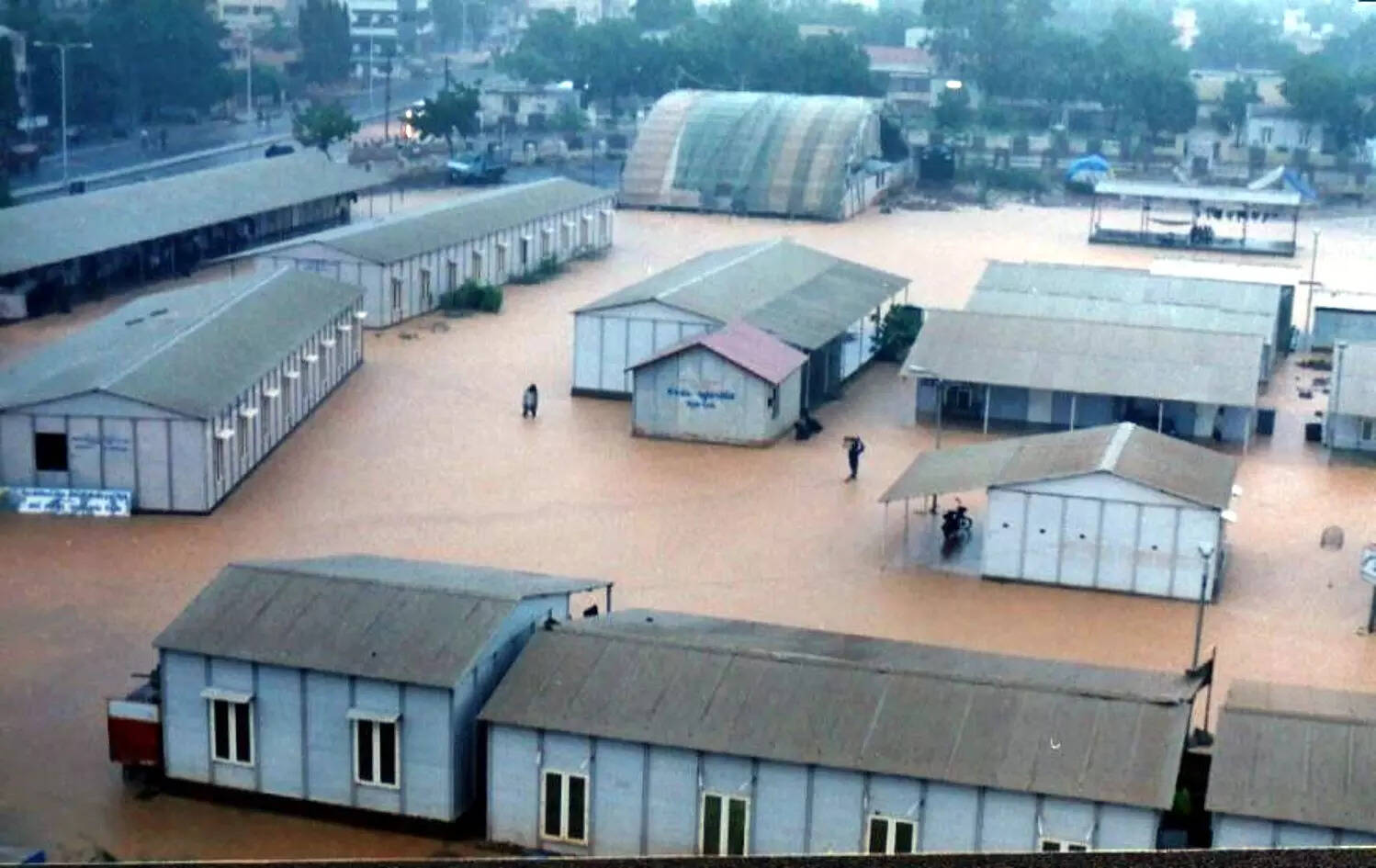
Today, Viral lives in Virginia with his wife and children. He works in IT sector and has been honoured as one of Loudoun County’s 100 most influential people making a difference.He shares his journey through corporate talks and his book, Choosing Light, dedicated to his family and the rescue team that saved him. “I was in darkness for 105 hours without food, water, or any movement. It was my decision not to choose darkness, but light. The power of choice always resides in our hands.” When a Stadium Turned Into a LifelineWhen Bhuj’s civil hospital collapsed in the earthquake, doctors had nowhere to treat the injured. They set up a temporary facility at Jubilee Ground, the town’s cricket stadium.“There were no hospitals and no way to contact anyone,” recalls Dr Mahadev Patel, now 75. “We asked pharmacists to come with whatever medicines they had. They brought bandages, dressing material, painkillers, splints and anything they could manage.”
-
An open hospital was set up at Jubilee Ground stadium to treat the injured
There were no beds. No bed sheets. Patients were treated on bare ground. Doctors improvised, using clay roof tiles as splints and tying them with patients’ own shirts.Volunteers built a simple pavilion, but conditions remained extreme. There was no electricity, no X-rays, no CT scans. Just hands, experience, and whatever supplies people could gather.
-
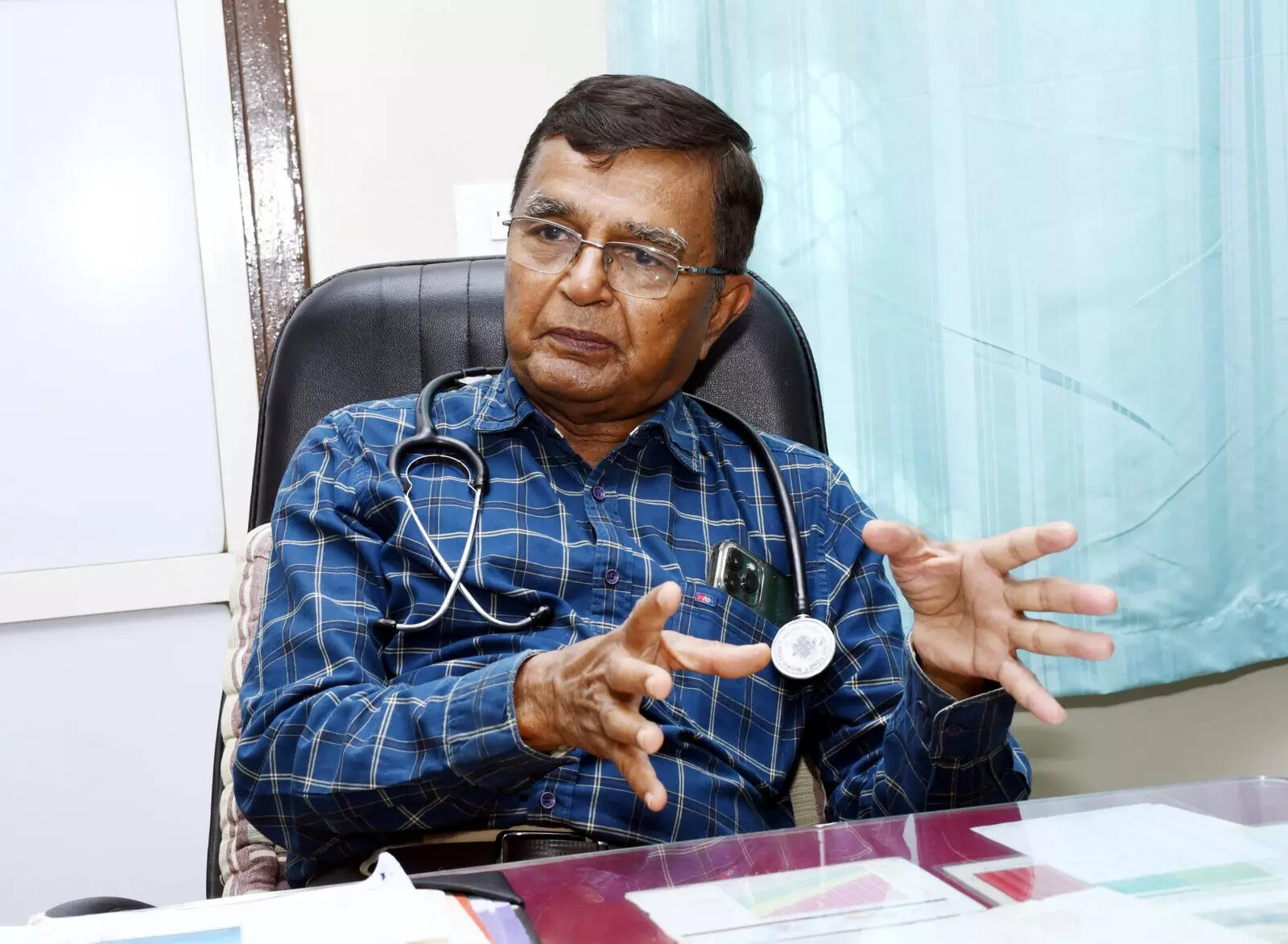
Dr Mahadev Patel recalls how volunteers, doctors pharmacists and pathologists kept the makeshift hospital at Jubilee Ground stadium running
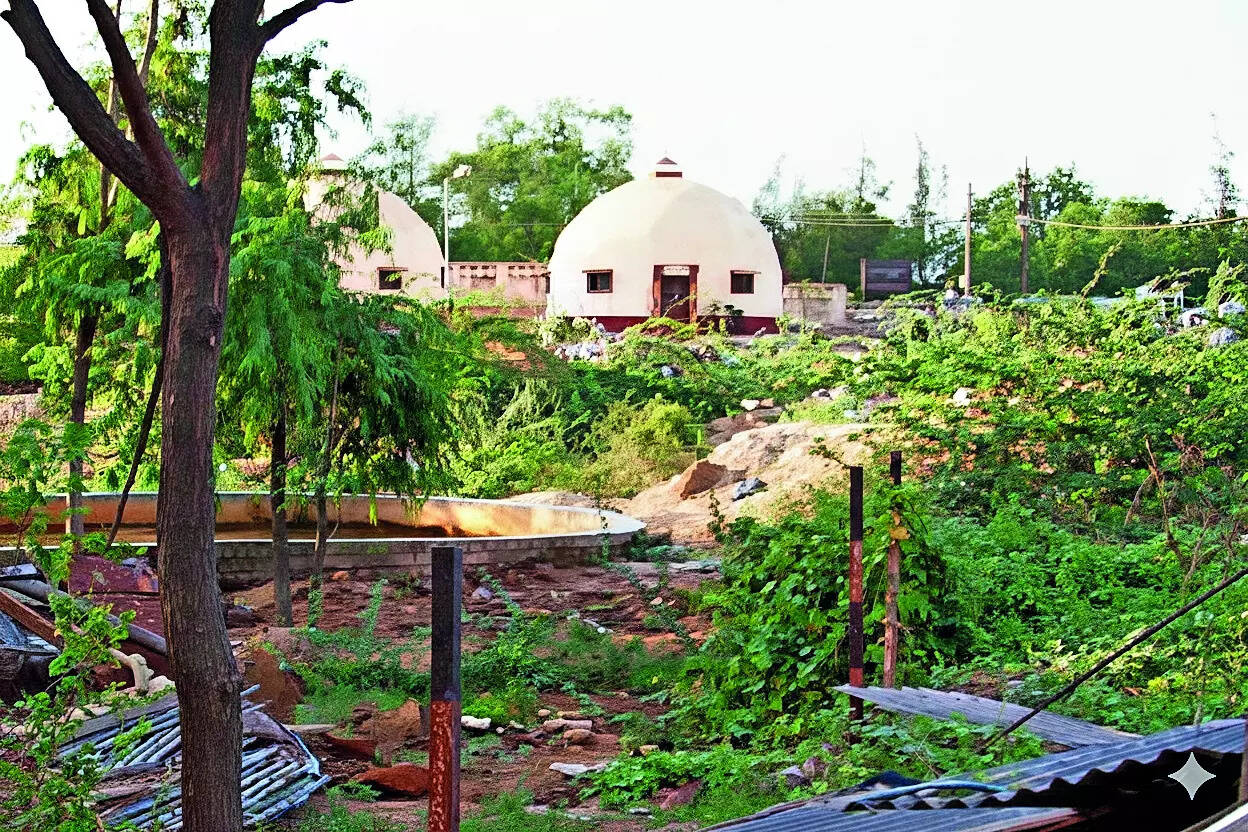
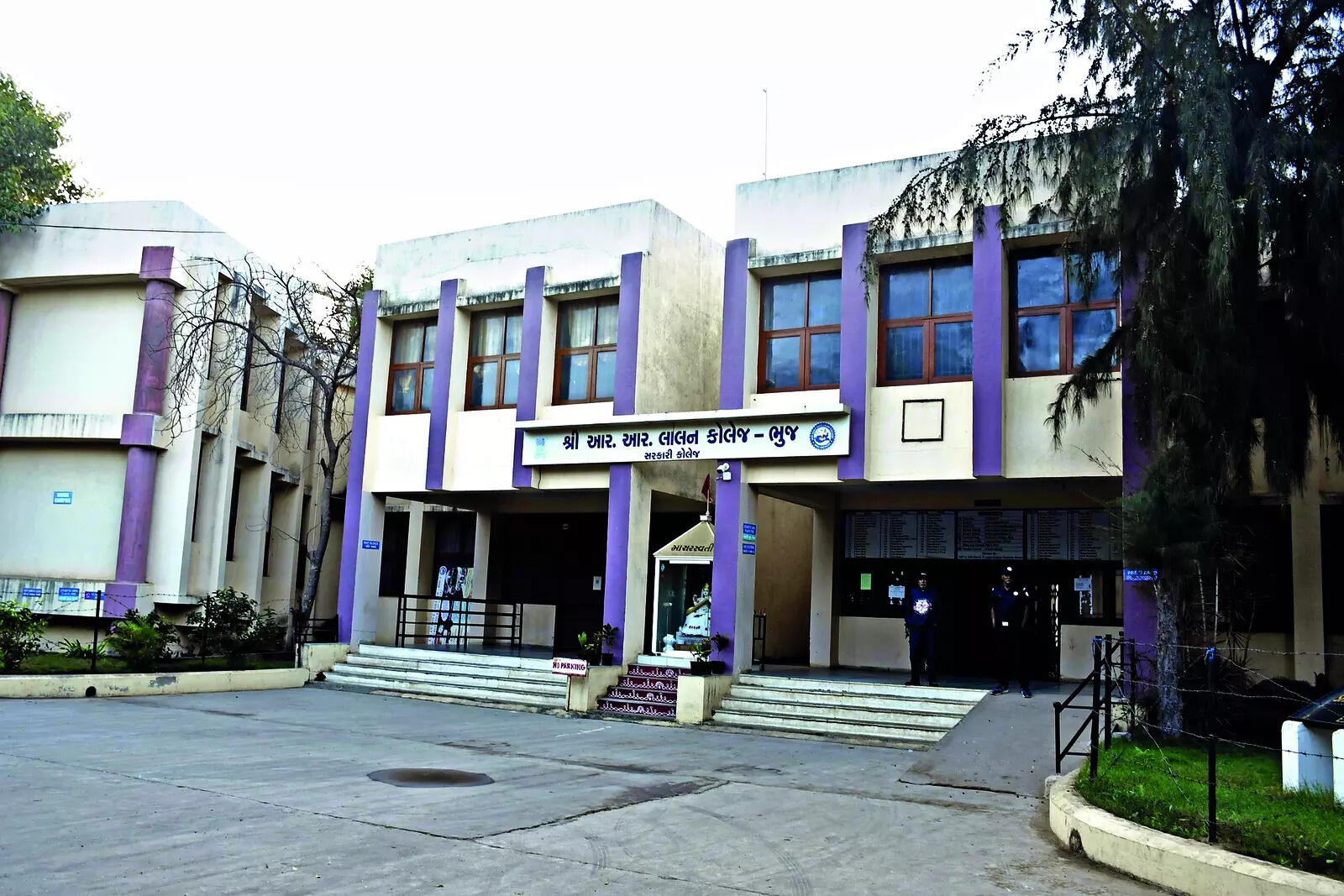
“The number of dead bodies brought there was overwhelming,” says Dr Patel. “We had to certify them. That was the only day I lost count.”Until external aid arrived, Jubilee Ground was Bhuj’s only medical lifeline — kept alive by volunteers, pathologists, pharmacists and locals working without rest, through day and night. It became a hospital, a morgue, and for many, the difference between life and death.Makeshift Classrooms Of Lalan College Built Rock-Solid FuturesRamji Savji Lalan College in Bhuj, one of the region’s oldest govt colleges, was completely destroyed in the 2001 earthquake. Reconstruction took more than four years. During that time, the college functioned entirely out of makeshift domes — galvanised iron sheets supported by steel frames.
-
Lalan College operated out of galvanised iron domes for four years
-
The reconstructed Lalan College
Around 1,500 students, pursuing undergraduate and postgraduate courses, attended classes in these temporary shelters. There were no proper walls, no permanent roofs. Just iron sheets keeping out the rain and determination keeping out everything else.Despite the conditions, academic work never stopped.
-
Darshna Dholakiya says some of the best students of Lalan College were shaped in those few years after the quake
“We professors taught with the same dedication as always,” recalls Darshna Dholakiya, who taught at Lalan College then and later became in charge vice-chancellor of Kutch University. “I am proud to say that some of our best students were shaped during those years. Many went on to succeed in different fields.”‘Lucky Ali’: 104 Hours Gave Him Life, 25 Years Gave It MeaningMurtuza Ali Vejlani was eight months old when the earthquake buried his family. Seven members died, including both his parents. The infant survived.Army personnel pulled him out after 104 gruelling hours.He was found beneath his father’s arm, stretched out in a final, desperate attempt to shield his son. His cradle lay smashed beside them.His maternal grandfather rushed him to Lilavati Hospital in Mumbai. His mother’s body was recovered 28 days later.
-
Murtuza lost his parents to the tragedy
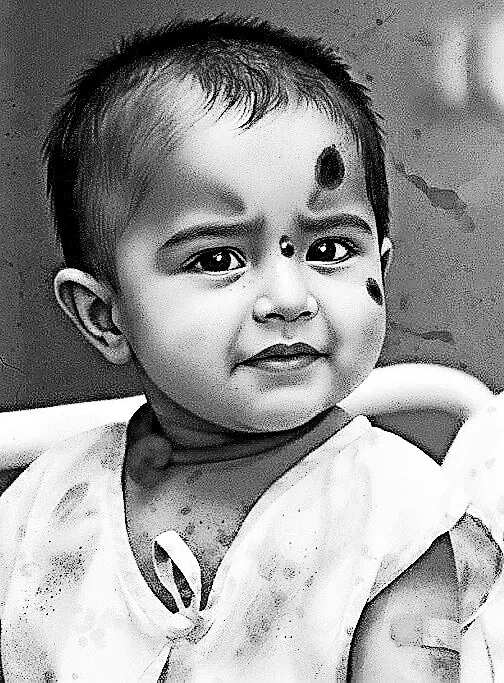
“I don’t remember that day,” says Murtuza, now 26. “But I have lived with its consequences.”He was raised by his paternal aunt and uncle in a rehabilitation colony built on the outskirts of Bhuj. His uncle, Zahidbhai, still recounts the rescue that saved the infant’s life.
-
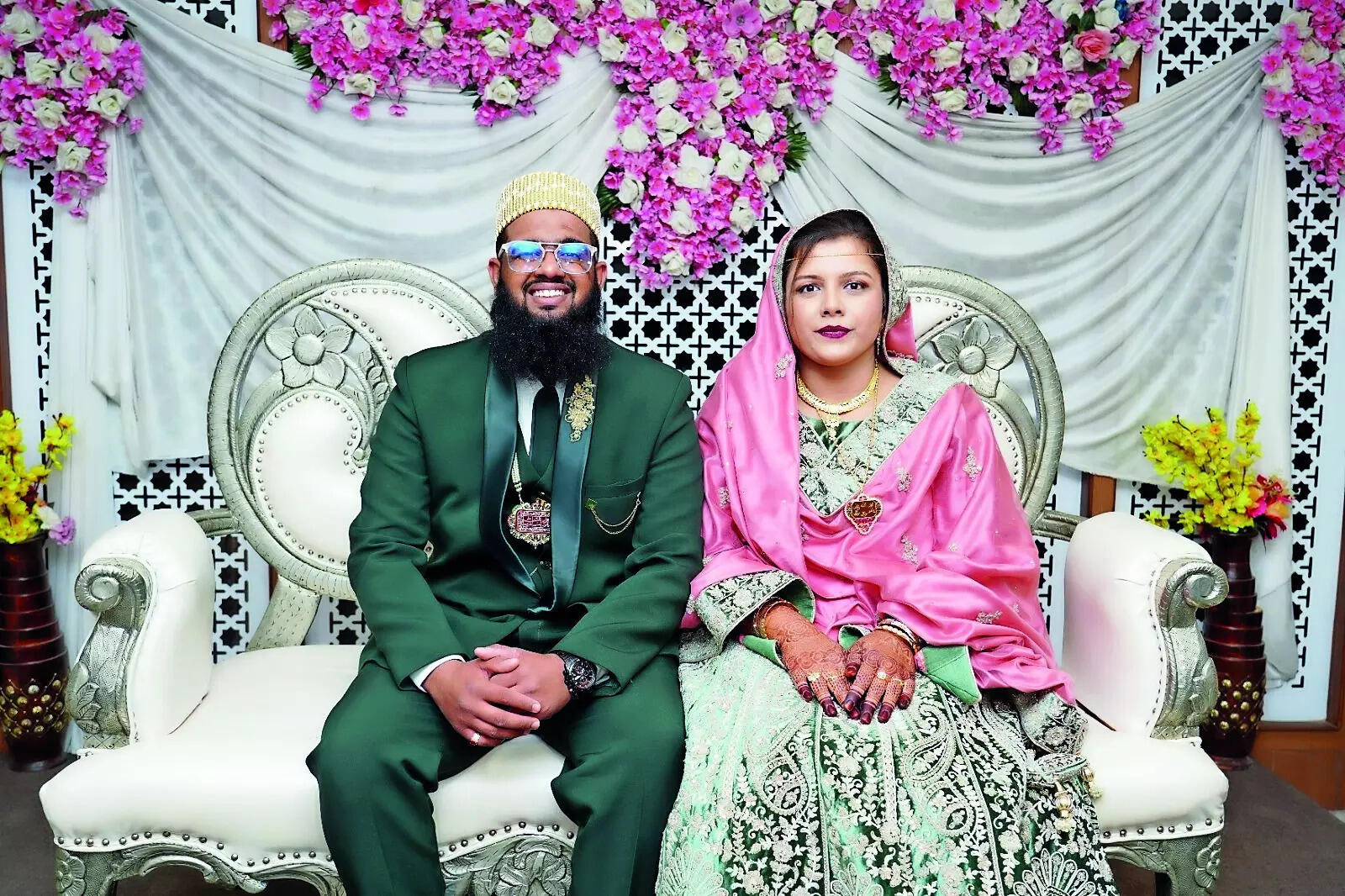
Murtuza with his wife, Alfiya
Earlier this year, Murtuza married Alfiya from Rajkot. He works in the family business, building a life of his own.He has no memory of his parents — no voice, no touch, no face he can recall. Only a story told by others. The rescue earned him a nickname: Lucky Ali. He’s still learning what that means.

Get the latest lifestyle updates on Times of India, along with Republic Day Wishes, Messages and speech!
author
About the AuthorNimesh Khakhariya

Nimesh Khakhariya is the Assistant Editor at The Times of India, Rajkot, overseeing coverage across the Saurashtra and Kutch regions. He focuses on special stories, in-depth packages, and day-to-day developments spanning crime, politics, business, civic issues, wildlife, human interest, and soft features. He has a strong interest in wildlife, research-driven stories, and feature writing."

End of Article
Follow Us On Social Media