
- News
- Business News
- India Business News
- Young Minds, Green Ideas: The Rise of India’s Climate Heroes
Trending
Young Minds, Green Ideas: The Rise of India’s Climate Heroes
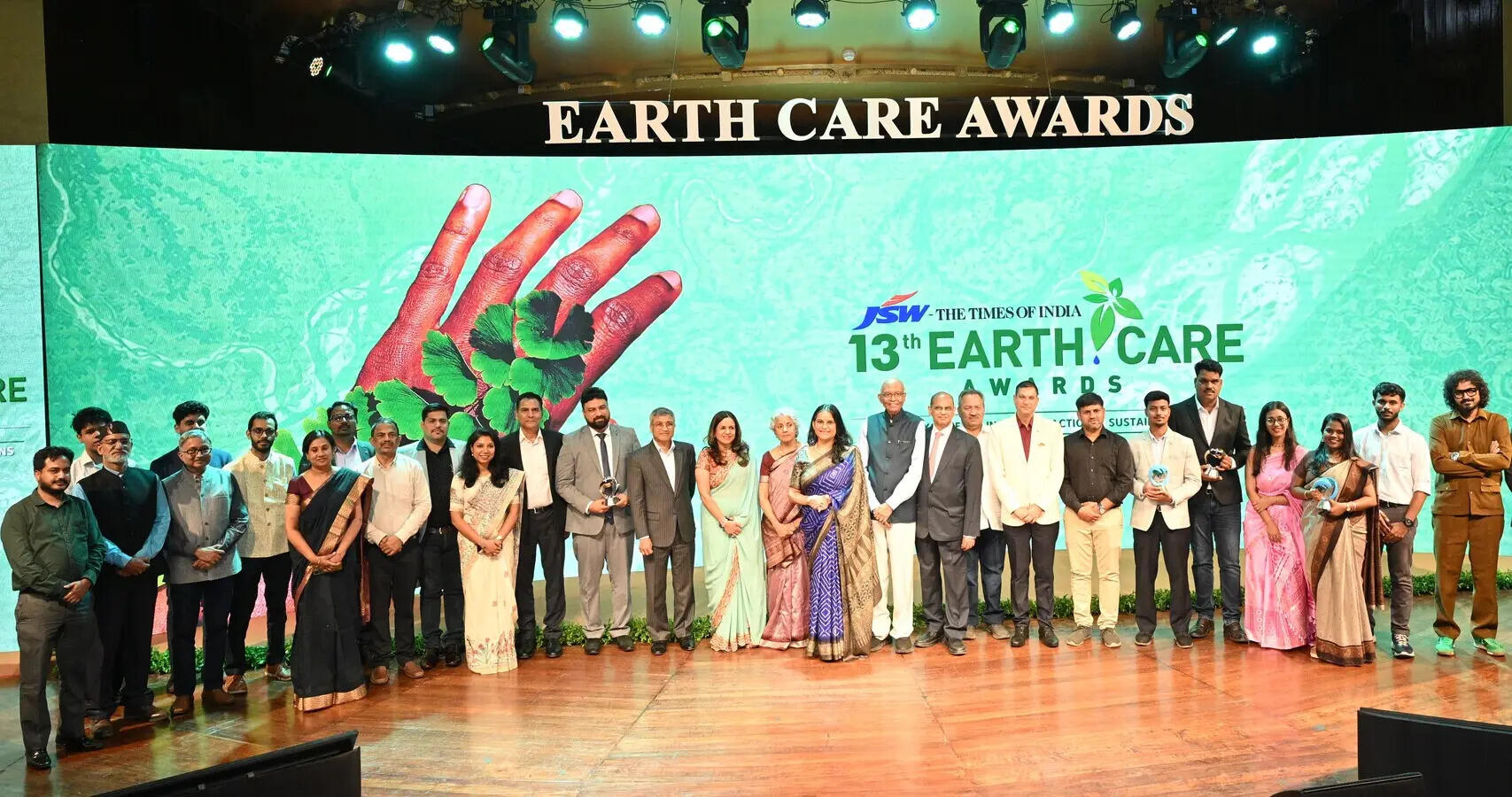
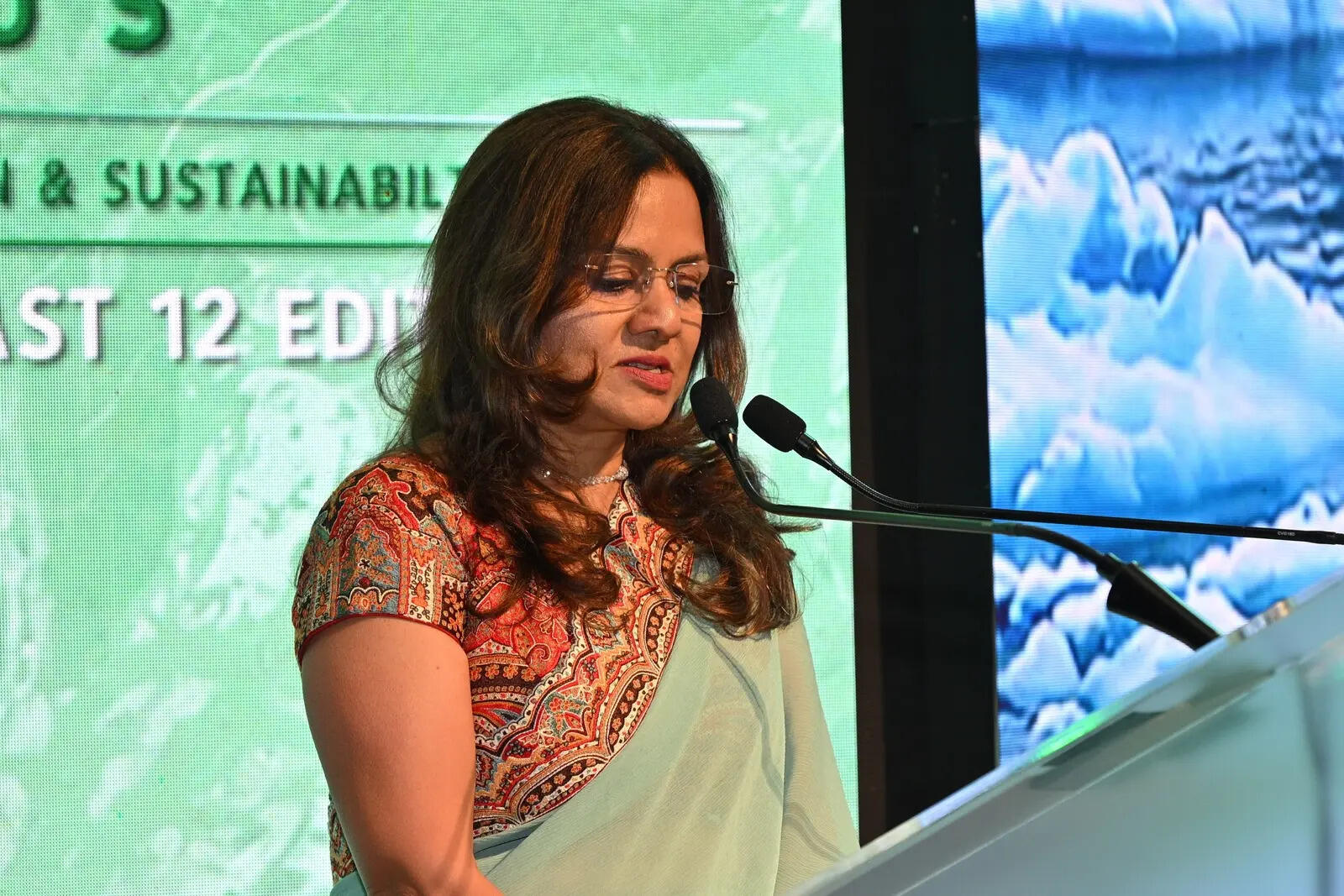
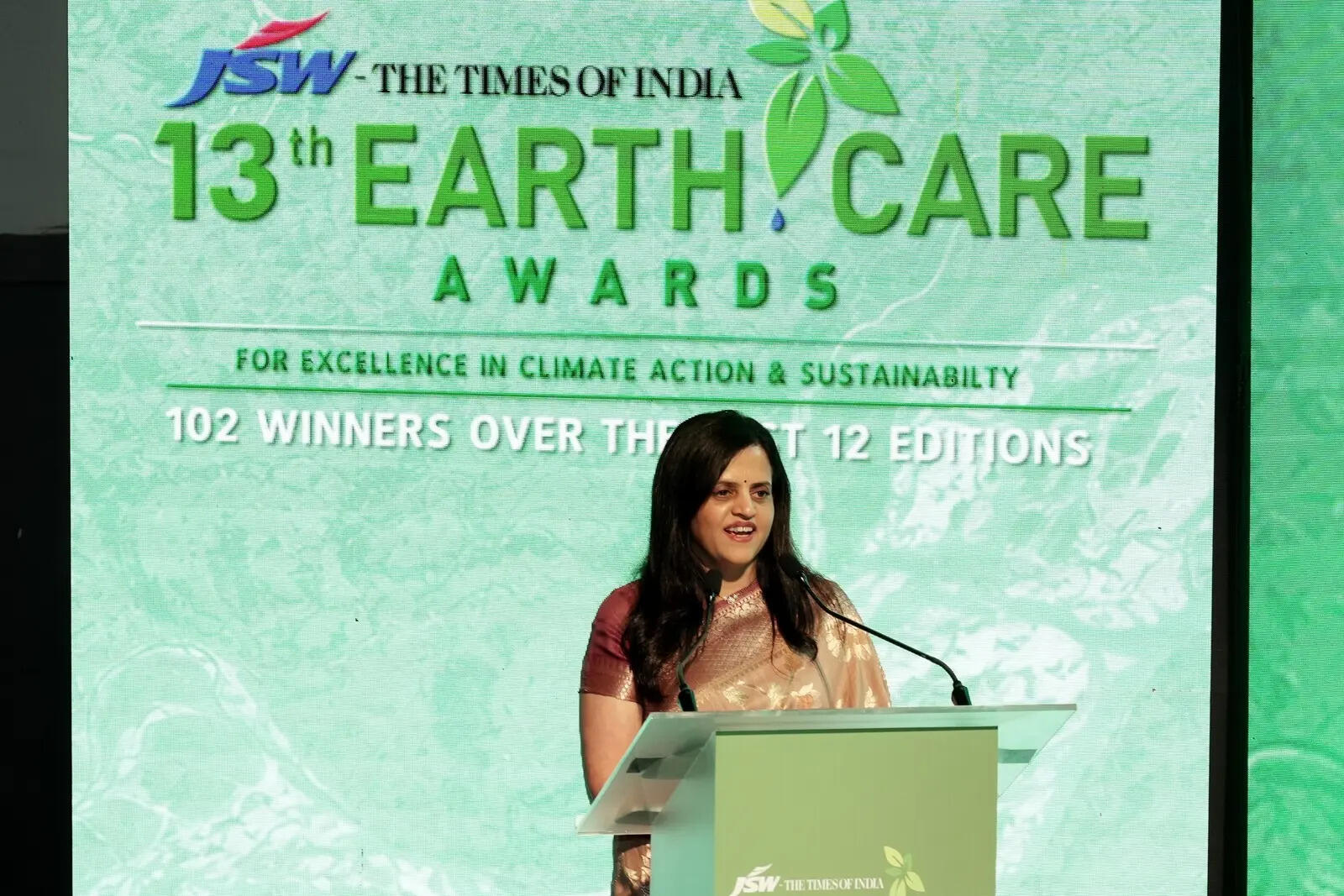
The Young Climate Champions Programme continued to grow its impact this year, reaching a wider network of climate-conscious youth across the country  As sustainability and environmental responsibility become central to conversations around India’s future, the youth are increasingly emerging as a powerful force in the country’s climate movement. With the world’s largest youth population and an average age of just 29 years, India is uniquely positioned to create a generation of climate-conscious citizens capable of driving meaningful change while contributing to the country’s economic growth and development.Recognising this potential, the 13th edition of the Earth Care Awards expanded the Young Climate Champions Programme into its second edition after the encouraging response to its inaugural year. The programme engages with young minds through specially designed workshops conducted across colleges in India. Its core objective is to identify and recognise innovative climate solutions that can be implemented and replicated to create a positive impact on the environment and local communities.This year, the initiative expanded significantly in scale and outreach, growing bigger than ever before. The movement reached across 25 states and three Union Territories, engaging more than 250 educational institutions nationwide. Through college connect initiatives, organisers worked to spread awareness about sustainability challenges and motivate students to participate in the Earth Care Awards.Some of the esteemed institutions that were part of the initiative included Delhi Technical University, Delhi; St. Xavier’s College of Arts and Science, Kozhikode; NIT, Kozhikode; IIT, Gandhinagar; TISS, Guwahati; The National College, Bengaluru; IIT, Roorkee; Hansraj College, Delhi; IIT-BHU; IIT-Guwahati; IIM-Kozhikode; IIM-Udaipur; IIT-Delhi; St. Xavier’s College, Ranchi; Symbiosis College of Arts and Commerce, Pune, and many more. The response this year reflected the growing interest among India’s youth in sustainability and environmental leadership. The jury received applications from 750 students and 250 institutions from across the country, highlighting the increasing participation of educational institutions in climate-focused initiatives.The response this year reflected the growing interest among India’s youth in sustainability and environmental leadership. The jury received applications from 750 students and 250 institutions from across the country, highlighting the increasing participation of educational institutions in climate-focused initiatives. The awards recognised contributions across six key categories. These included Air Quality Improvement and Pollution Control, Biodiversity and Ecosystem Restoration, Clean and Renewable Energy Solutions, Environmental Education and Public Engagement, Sustainable Waste Management and Circular Economy, and Water Stewardship and Resource Management.Earth Day Network India was the outreach partner for the programme.At a time when climate concerns are becoming increasingly urgent, the Young Climate Champions Programme is positioning India’s youth not merely as participants in sustainability efforts, but as future leaders capable of shaping a greener and more resilient future. The JuryHarshita UmeshFounder, Vaada Hope Foundation Ananya BhattacharyaDirector, Banglanatak.com Vidya Bhushan Kumarformer Principal Chief Conservator of Forests & Head of Forest Force Animesh KapoorDirector Eco Roots Foundation Deeksha Prakash SinghYoung Energy Expert and Researcher at The United Nations Economic Commission for Europe (UNECE) Shweta DalmmiaFounder, Bharat Climate Startups Ram BhoojSenior Advisor UNEP Anuradha P DhawanSustainable Fashion Designer and Founder, Around the Des Devangshu DuttaEnvironmental Coordinator, The Satsang Foundation Rituraj PhukanClimate Reality Leader The climate is changing, and the evidence is impossible to ignore — in our weather patterns, our forests, our oceans, and in the difficult choices’ humanity is being forced to make. Yet, amid this crisis, there is hope. Across cities, villages, campuses and communities, ordinary people are stepping forward. Young women and men are not waiting for change; they are becoming the force driving it.Sangita Jindal, Chairperson, JSW FoundationClimate change is a reality that must be tackled through ideas, action and collaboration. Even Mumbai, due to its unique vulnerabilities as a dense coastal megacity faces rising sea levels, extreme rainfall, flooding and heat stress. Through the Mumbai Climate Action Plan, BMC is investing in climate-resilient infrastructure, sewage treatment, flood mitigation, green public transport, air-quality monitoring and renewable energy. But building a climate-resilient Mumbai requires collective responsibility from the government, institutions, businesses and citizens alike.Ashwini Bhide Municipal Commissioner, BMC Rajalakshmi Institute of Technology, ChennaiCategory: Climate-Resilient CampusRajalakshmi Institute of Technology (RIT) was recognised for demonstrating outstanding institutional leadership in climate action through green infrastructure, renewable energy adoption, environmental education, youth engagement, sustainable mobility, and innovative campus-wide sustainability initiatives.Rinku Pal, ABM COLLEGECategory: Air Quality Improvement and Pollution ControlRinku Pal was honoured due to his pioneering work through “Vayuveer Program”, a youth-led, community-driven initiative addressing waste management and indoor air pollution in informal settlements through hyperlocal climate action, clean cooking awareness, and sustainable urban climate resilience.Jhansi Bhupendra PullaPillai College of Arts, Commerce and ScienceCategory: Biodiversity and Ecosystem RestorationJhansi Bhupendra Pulla’s outstanding “Pollinator Highway” initiative presented an innovative biodiversity restoration model supporting climate resilience by creating safe ecological corridors for pollinators through native plantations, community participation, and low-cost sustainable design.Arnav GargIndian Institute of Technology, Delhi Category: Clean and Renewable Energy Solutions Arnav was recognised for his AI-enabled Smart Grid Intelligence Platform that enhances renewable energy integration, optimises electricity demand forecasting, and advances efficient, sustainable power management for climate-ready energy systems.Haridra BoraMiranda House Category: Environmental Education and Public Engagement Haridra’s work on climate-sensitive health risk mapping integrates climate, environmental, and community data to strengthen early warning systems and improve resilience against mosquito-borne diseases impressed the jury. Arpit KumarManipal Academy of Higher Education Category: Water Stewardship and Resource Management Arpit’s innovation, MARU® powered by METAL®, was a breakthrough maintenance-free water purification technology enabling sustainable removal of arsenic and heavy metals through climate-neutral magnetic separation systems.T.K. Devanarayanan National Institute of Technology, Calicut Category: Sustainable Waste Management and Circular Economy His proposed decentralised circular bio-refinery model transforms poultry and meat waste into biodiesel, bioplastics, biogas, and organic products, advancing climate-conscious zero-waste systems and sustainable resource recovery solutions got him the honour. Programme Outreach States covered 25 + 3 UTs Outreach 4.5 Lakh+ Entries 750 students 250 institutions Students participated 25,000 Sessions 200 Speakers 50Disclaimer - Content produced on behalf of JSW

End of Article
Follow Us On Social Media
Top Trending
Tired of too many ads?go ad free now
Trending Stories
In Business
Entire Website
- Rupee rebounds 20 paise to 95.41 against US dollar
- SpiceJet's cash crunch deepens: Many pilots unpaid since March, airline seeks emergency loan
- Gold price prediction today: Gold falls to nearly 11-week low before recovering; check June 9, 2026 outlook
- Commercial LPG shortage impact: IRCTC forced to resume cooking onboard trains; deploys induction stoves
- Oil prices ease as Iran and Israel pause attacks; Brent, WTI retreat from recent highs
- Top stocks to buy or sell today: Stock market recommendations for June 9, 2026 - check list
- Indian eco resilient amid global turmoil, says Sebi chief
- Goods export estimated to have grown 15 per cent in May
- Haleon to set up 1st manufacturing unit in India, South Asia, invest Rs 2k cr
- Bombay high court bins government’s 12 retrospective spectrum charge; telecom companies get relief
- US-Israel-Iran War News Live Updates: 'Very close to strong powerful deal' - Trump sees path to Iran deal despite latest escalation
- 'She welcomed them in, offered water': Police reveal chilling details of DU professor Debosmita Paul's final moments
- Big relief for 'Khan Sir': Patna court stays arrest in coaching centre firing case
- Jahangir Khan Arrest: Bengal STF nabs fugitive TMC neta at India-Nepal border; Falta erupts in celebrations
- 96 hours in no-man's land: BGB pushes back Bangladeshi family of 10, BSF gives shelter
- Commercial LPG shortage impact: IRCTC forced to resume cooking onboard trains; deploys induction stoves
- MHT CET 2026 PCB result released at cetcell.mahacet.org: Direct link to download scorecards here
- Patrick Mahomes and Brittany Mahomes combined net worth in 2026: Career earnings, endorsements, investments, lifestyle, and real estate
- Mamata & Abhishek Banerjee in Delhi, TMC mutiny spreads to Parliament
- Retired Bombay high court judge’s daughter attacked in UK, kin gets threat letters over 2024 Dawoodi Bohra verdict
Financial calculators









Explore Every Corner
Across The Globe
MHT CET resultUS Iran WarChennai TNSTC BusJahangir KhanMinecraft Dungeons 2 Release DateDK ShivakumarPatrick Mahomes and Brittany Net WorthNFL Trade RumorsIndia Post GDS 4th Merit ListVaibhav SooryavanshiDriving Licence ValidityMamata BanerjeeJudge Gautam PatelIslamic New YearBorder Guard BangladeshDwyane Wade WifeIND A vs SL A MatchGurgaon Flyover IncidentAlexander Zverev 2026Stock Market TodayDonald Trump NBACBSE Class 12th Re-EvaluationR PraggnanandhaaBen StokesLitton DasDonald TrumpSpurs vs KnicksCommercial LPG shortageLamine YamalKajal Raju journey

Hot on the Web
Narenda ModiAlia BhattPadma AwardPiyush MishraUpasana KonidelaAkshay KumarJana NayaganTalay RileyR MadhavanKangana RanautKaty PerryPoonam DhillonAlia BhattHabiba JaaferiShah Rukh KhanSteve JobsFrozen Cave Lion CubGinny Weds Sunny 2 OttJennifer WingetIconic Safari AdventuresJennifer LopezBandar Box Office CollectionKamalika Guha ThakurtaDrishyam 3 Box Office CollectionKaruppu Box Office CollectionDhurandhar 2 Box Office CollectionBlast Box Office CollectionRERA FAQsJewar Airport ProjectsHoroscope TodayNuclear Weapons SpendingMost Rat Infested Cities In USNasa Engineer Mark RoberQuantum States For SensorsNissan Gravite MPVHuman Evolving On Tibetan PlateauLargest Islands In The WorldModern Day BrahmastraGoogle Release MosquitoesIndia Nuclear WarheadsNyt ConnectionsCaptions For Instagram Posts
Trending Topics
Gold Rate TodayVizag Steel Plant BlastKhan SirDK ShivakumarDebosmita Paul MurderMatthew Stafford And Kelly Stafford Net WorthCuba earthquakeSabyasachi Dutta ArrestNoida AirportKhan Sir Coaching Firing CaseSaket Building CollapseDelhi Gymkhana ClubCuracao football teamKayla NicoleMorgan RiddleGeorgina RodriguezMike VrabelIgo WitekMLB Trade RumorBTSIran WarH-1B VisaTrump warns NetanyahuDonald TrumpIsraeli Ships BannedIsrael Iran CeasefireStrait of HormuzIran Israel ConflictKathelina KvrtezOman Vessel AttackOpenAI IPOApple IntelligenceH-1B Visa Federal DataSiri Delayed In EuropeTrump Visa Fee IllegalAmazon MegadealHack Of The DayGoogle Extortion EmailGarena Free Fire MAX Redeem CodesPeroxide CodesGenshin Impact Codes
Popular Categories
HeadlinesSports NewsBusiness NewsIndia NewsWorld NewsInternational SportsHealthBreaking NewsTravelAstrologyDeorhiTOI Young LeadersTOI Home Decor AwardsPower Creator Awards 2026TOI Ecopreneur Awards 2026Gold Rate TodayWeather TodaySilver Price TodayDelhi Weather TodayPetrol Price TodayDiesel Price TodayCNG Price TodayLPG Price TodayPetrol Price MumbaiDelhi AQIIs Bank Open TodayMumbai AQI TodayIs Bank Open TomorrowPublic Holidays in JuneBank Holidays in June
Trending Videos
Four Killed And Ten Wounded After Devastating Russian Strikes Trigger Fires Across Kharkiv RegionThe Dog Stars - Official TrailerSlumDog - 33 Temple Road - Official Hindi TeaserSlumDog - 33 Temple Road - Official Tamil TeaserSlumDog - 33 Temple Road - Official Malayalam TeaserIndia Tears Into Pakistan At UN, Calls Airstrikes On Afghanistan ‘Massacre’ And ‘Hypocrisy’Supreme Court Pulls Up CBSE Over Delay In Class 12 Improvement Results, Seeks Solution By Friday190 Nukes: India's Nuclear Lead Over Pakistan Is Rewriting South Asia's Nuclear Arms BalanceIsraeli Interceptors Light Up Eilat Skies After Fresh Houthi Drone Launch From YemenSatellite Images Challenge Tel Aviv Interception Claims After Iranian Strike On Israeli Air Base'Israelis Bombed U.S Warship, Blocked Help': Thomas Massie On Deadly USS Liberty Attack‘Rogue U.S Cities & States Not Cooperating’: Rep. Arrington DESTROYS House Dems In Roaring Testimony‘Kristi Noem Stole Billions’: Trump 'Corruption' Bombshell Rocks Cong During ICE Hearing | US House'Did Your Mom Use A Cond*m?': Epstein Accusers Get Guns After Trump DOJ's Shock Action | WATCHAndrew Windsor's Facial Injury Sparks Dementia Speculation After Insiders Sound Alarm Security Alert In Iraq As Drones Target Zones Near US Military Presence In Kurdistan | ReportBIG ATTACK ALERT! Iran Ally Hits Saudi? Missile Panic Erupts Near Major Air Base | WatchNATO Jet Shoots Down Mysterious Drone After Airspace Breach Over Latvia
Latest News
Hazaribag man drowns while fishing in lake"Behen Darr Gayi!": Fans relive ‘Bhagam Bhag’ era after watching Akshay Kumar's 'Bhooth Bangla' trailerMBOSE HSLC result 2026 to release tomorrow: Check details hereIran war risk: JPMorgan CEO Jamie Dimon warns of oil shocks, sticky inflation and higher interest ratesMake your clutch last longer with these easy driving tips“Three-against-one situation”: El Rubius opens up on being “targeted” in MrBeast’s viral $1M challengeBihar BTSC lab assistant notification released for 1091 posts at btsc.bihar.gov.in; apply hereIPL craze costs techie Rs 1.46 lakh in fake RCB vs CSK ticket scamRaising “robot-proof” kids: Why creativity and curiosity matter more than everInside ‘Satguru Sharan’: Exploring Saif Ali Khan and Kareena Kapoor Khan’s Rs 100 crore Bandra homeHow selling Alaska in 1867 was a costly mistake for Russia'Hera Pheri 3 is coming': Paresh Rawal dismisses delay reports and reveals he will 'start shooting soon'US-Iran War: A daring rescue Hollywood blockbuster is on its way. Till then, pick your favourite from these 10 films on bringing someone home against all oddsKolkata team unveils fan mural at Rash Behari Avenue, celebrating city’s first loveHow US spread a lie to rescue a pilot of a jet shot down in IranNetflix unveils ‘VOID’, an AI model that can change a movie plotAI data centers are causing 'stress' not just to tech companies, but also private insurers"Trans women are.....": Clavicular’s viral moment with trans women sparks fresh conversation on internet culture
Copyright © 2026 Bennett, Coleman & Co. Ltd. All rights reserved. For reprint rights: Times Syndication Service