
- News
- Business News
- Budget News
- Explainer: Lab-grown diamonds get a Budget boost, but what are they?
Trending
This story is from February 1, 2023
Explainer: Lab-grown diamonds get a Budget boost, but what are they?
Lab Grown Diamonds (LGD) is a technology-and innovation-driven emerging sector with high employment potential. These environment-friendly diamonds have optically and chemically the same properties as natural diamonds. These take 15-30 days to create in a laboratory in Surat in Gujarat, India’s diamond capital.
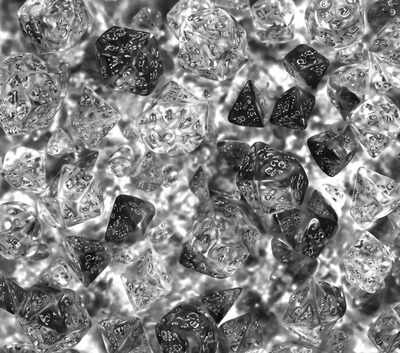
Picture source: AI/playgroundai
In order to encourage indigenous production of lab-grown diamond seeds and machines and to reduce import dependency, Finance Minister Nirmala Sitharaman has proposed a research and development grant to one of the IITs for five years.
Lab Grown Diamonds (LGD) is a technology-and innovation-driven emerging sector with high employment potential. These environment-friendly diamonds have optically and chemically the same properties as natural diamonds.
The only difference between lab-grown diamond and natural diamond is that instead of digging the earth, it is created in a lab under a machine.
Lab-made diamonds are developed from a carbon seed placed in a microwave chamber and superheated into a glowing plasma ball. The process creates particles that crystallise into diamonds in weeks.
India is a global leader in cutting and polishing of natural diamonds, contributing about three-fourths of the global turnover by value.
With the depletion in deposits of natural diamonds, the industry is moving towards Lab Grown Diamonds (LGDs) and it holds huge promise.
To seize this opportunity, the government also proposed to reduce basic customs duty on seeds used in their manufacture to nil from the current 5 percent.
Gem and jewellery exporters on January 9 had urged the government to announce support measures like the abolition of import duty on raw material for lab-grown diamonds and jewellery repair policy to promote the sector and boost shipments.
The industry stated that the conventional source of rough diamonds across the world faces threats of deposit depletion, which also contribute to the exponential increase in the cost of extraction. Industries have thus found lab-grown diamonds to be a profitable alternative.
An LGD is produced using a seed, which is a crucial raw material.
"It was a mixed budget for the gems and jewellery industry as the finance minister did acknowledge the potential of the LGDs for exports, and to create employment," said Kama Jewelry Managing Director Colin Shah
The government, however did not make any announcement with ragard to natural diamond.
"There was no announcement for the natural diamond industry in terms of duties and our SNZ’s. Not having a repair policy will also be damaging for our DTA Jewellery exporters," said Shah.
The year 2019, particularly, was the year for lab-grown diamonds.India alone witnessed a sharp rise in lab-grown diamond exports worth $443 million which rose 102 per cent year-on-year, according to a report by Prabhudas Lilladher,
Even at the beggining of 2020, lab-grown diamond exports in India were up 60 per cent on year while natural diamond exports were down by 41 per cent y-o-y.
Currently, 25-30 per cent of diamond polishing units in Surat service lab-grown diamonds, with 15 per cent of units dealing only in the lab-created commodity.
The export of polished lab-grown diamonds grew by 60.08 per cent so far in fiscal 2023 while that of cut and polished diamonds has fallen by 1 per cent in the same period, according to a report by Gems and Jewellery Export Promotion Council (GJEPC). The overall industry witnessed 8 per cent growth of import of rough diamonds during the same period.
Lab Grown Diamonds (LGD) is a technology-and innovation-driven emerging sector with high employment potential. These environment-friendly diamonds have optically and chemically the same properties as natural diamonds.
These take 15-30 days to create in a laboratory in Surat in Gujarat, India’s diamond capital.
The only difference between lab-grown diamond and natural diamond is that instead of digging the earth, it is created in a lab under a machine.
Lab-made diamonds are developed from a carbon seed placed in a microwave chamber and superheated into a glowing plasma ball. The process creates particles that crystallise into diamonds in weeks.
There are two types of lab-grown diamonds -- CVD and HPHT. India particularly specialises and leads in the chemical vapour decomposition (CVD) technology that is certified as the purest type of diamonds.
India is a global leader in cutting and polishing of natural diamonds, contributing about three-fourths of the global turnover by value.
With the depletion in deposits of natural diamonds, the industry is moving towards Lab Grown Diamonds (LGDs) and it holds huge promise.
To seize this opportunity, the government also proposed to reduce basic customs duty on seeds used in their manufacture to nil from the current 5 percent.
Gem and jewellery exporters on January 9 had urged the government to announce support measures like the abolition of import duty on raw material for lab-grown diamonds and jewellery repair policy to promote the sector and boost shipments.
The industry stated that the conventional source of rough diamonds across the world faces threats of deposit depletion, which also contribute to the exponential increase in the cost of extraction. Industries have thus found lab-grown diamonds to be a profitable alternative.
An LGD is produced using a seed, which is a crucial raw material.
"It was a mixed budget for the gems and jewellery industry as the finance minister did acknowledge the potential of the LGDs for exports, and to create employment," said Kama Jewelry Managing Director Colin Shah
The government, however did not make any announcement with ragard to natural diamond.
"There was no announcement for the natural diamond industry in terms of duties and our SNZ’s. Not having a repair policy will also be damaging for our DTA Jewellery exporters," said Shah.
The year 2019, particularly, was the year for lab-grown diamonds.India alone witnessed a sharp rise in lab-grown diamond exports worth $443 million which rose 102 per cent year-on-year, according to a report by Prabhudas Lilladher,
Even at the beggining of 2020, lab-grown diamond exports in India were up 60 per cent on year while natural diamond exports were down by 41 per cent y-o-y.
Currently, 25-30 per cent of diamond polishing units in Surat service lab-grown diamonds, with 15 per cent of units dealing only in the lab-created commodity.
The export of polished lab-grown diamonds grew by 60.08 per cent so far in fiscal 2023 while that of cut and polished diamonds has fallen by 1 per cent in the same period, according to a report by Gems and Jewellery Export Promotion Council (GJEPC). The overall industry witnessed 8 per cent growth of import of rough diamonds during the same period.
End of Article
FOLLOW US ON SOCIAL MEDIA










Hot Picks
TOP TRENDING
Trending Stories
In Business
Entire Website
- Will banks open only for 5 days a week? Here’s what you should know about IBA’s proposal
- India set to be third largest economy, says S&P Global
- Dalal Street bull run continues! BSE Sensex crosses 69,000 for the first time; Nifty above 20,800
- Byju’s reduces notice period for employees as troubles mount
- Sensex surges over 900 points, Nifty above 20,550 as BJP state election wins bolster Modi's Lok Sabha 2024 prospects
- UltraTech to buy building materials business of Kesoram in 7,600 crore deal
- Tata Technologies stock debuts at a bumper 140% premium; share price at Rs 1200 on BSE
- Tata Technologies share allotment: How to check IPO allotment status, listing date, GMP
- BSE m-cap rides rally in Adani stocks, tops $4 trillion
- Charlie Munger, who helped Warren Buffett build Berkshire, dies at 99
- 'Security breach': 1000s of pagers explode across Lebanon, many Hezbollah fighters hurt
- 'No glorification of bulldozer justice': SC bans property demolition till Oct 1
- ‘Oxford returnee’ to Delhi CM: The rise and rise of Atishi
- PM Modi to visit US from Sept 21-23 for Quad summit
- Pak players wave Chinese flag during India-China ACT final
- 'Kejriwal will be back', says Atishi; BJP attacks CM-designate
- Rs 15cr gold crown from the Ambanis: Meet Mumbai’s richest Ganeshas
- Reliance Jio confirms outage, here’s what the company said
- 'Congress, its ecosystem angry': PM Modi over Ganesh Puja with CJI
- Court extends ex-principal Ghosh, cop's custody by 3 days



Popular Categories
Hot on the Web
Top Trends
Dominique PelicotUS Fed Rate CutIndia vs China Champions TrophyUPI Transaction LimitWhere to Watch India vs China Final Hockey MatchUPS vs NPS CalculatorKolkata Commissioner Manoj VermaNEET UG Admission CriteriaAtishiKolkata Doctor Rape CaseArvind Kejriwal Resignation LiveAli Khamenei TweetSuryakumar YadavVince McMahonTech LayoffsDonald TrumpLive Cricket Score
Trending Topics
Munawar FaruquiLuxury BrandCancer CauseKhatron Ke Khiladi 14Chinas EggAtishi Marlena Singh QualificationSunita AhujaGoat CollectionSalman Khan FarmhousePitra Paksha 2024CheetahsKangana RanautAditi Rao HydariDalljiet KaurHoliday DestinationVikas SethiReliance Jio DownApple iPhone 16 ProVirat KohliWordle Answer
Living and entertainment
Latest News
Pankaj Kapur is proud of son Shahid Kapoor’s film choices, calls him ‘the finest actor in the country’Mukhtar Ansari died of heart attack, not poisoning: UP's Banda district magistrate's report4 types of tea to improve gut health and ease digestive issuesMemeFi daily codes for 17 September 2024: Boost your earnings with daily codes and know how to maximizeKhatron Ke Khiladi 14: Shalin Bhanot hosts a fun party for his co-contestants Krishna Shroff, Abhishek Kumar, KaranVeer Mehra and othersDecoding how log analytics systems are enabling brands to derive maximum value from dataAnother Mpox suspected case in India: Man showing symptoms admitted to hospitalTaurus, Daily Horoscope Today, September 17, 2024: Anxiety and stress diminishLiza Colon becomes 1st Latina to win Best Supporting Emmy AwardSelena Gomez recreates practiced applause she learnt from TV show Friends after losing at Emmys 2024Former WWE superstar is no longer listed on their internal rostersBeyond Paychecks: Job satisfaction, work-life balance more important than salary for Gen Z workforce‘You is sleep or you can sleep’: Students prank Benglauru’s ‘pookie professor’ in viral videoHow ‘Oxford returnee’ Atishi became chief minister of DelhiWhy more couples aged 50 or older are getting divorcedThese are the most toxic fresh produce of 2024Congress condemns Shiv Sena MLA's 'Rs 11 lakh reward to cut Rahul Gandhi's tongue' remarkThe 3 Strongest Zodiac Signs: Powerhouses of the Zodiac Wheel
Copyright © 2024 Bennett, Coleman & Co. Ltd. All rights reserved. For reprint rights: Times Syndication Service