
6 luxury car features that quietly make driving more comfortable
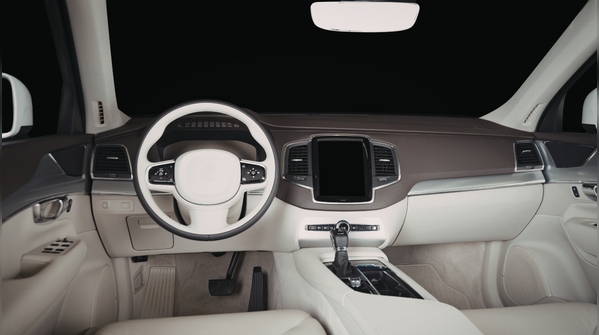
6 luxury car features that quietly make driving more comfortable
Luxury in a car is rarely about spectacle. It reveals itself in subtle shifts you begin to notice only after spending time behind the wheel. The cabin feels calmer, the seat supports you just a little better, and the road seems gentler than usual. These details rarely demand attention, yet they quietly shape how a journey unfolds. Over time, they reduce fatigue, soften the stress of traffic, and make long drives feel surprisingly easy. Luxury, in its truest form, lives in these thoughtful touches. Scroll down for six luxury car features that subtly transform the driving experience.
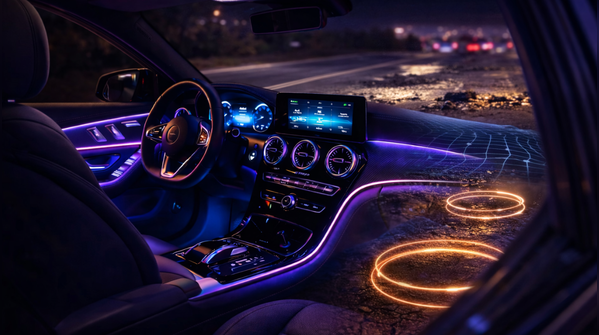
Adaptive suspension that reads the road
Roads are rarely perfect. Potholes, uneven surfaces, and sudden bumps can quickly turn a smooth drive into a tiring one. Adaptive suspension systems quietly solve this problem by constantly adjusting the car’s dampers and ride height in real time. Using sensors that monitor road conditions and driving behaviour, the suspension stiffens when the car corners at speed and softens when the road becomes rough. The result is a ride that makes you realise how effortlessly a car can stay composed while keeping every journey remarkably smooth. Instead of reacting after a bump occurs, some systems even read the road ahead through cameras and prepare the suspension in advance, making imperfections almost disappear beneath the wheels.
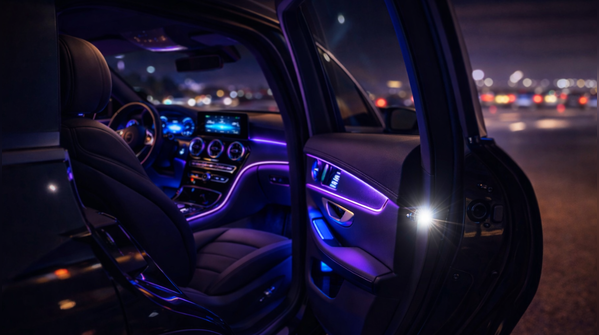
Soft-close doors that shut themselves
It’s a detail you might overlook until the first time you experience it. With soft-close doors, you don’t need to slam the door shut. Simply push it gently toward the frame, and a small motor silently pulls it into place. The feature eliminates the awkward thud of a half-closed door and preserves the quiet atmosphere inside the cabin. In tight parking spaces or when passengers are dressed formally, the ability to close doors effortlessly adds a surprising sense of ease. It’s a small touch, but one that instantly signals thoughtful engineering.
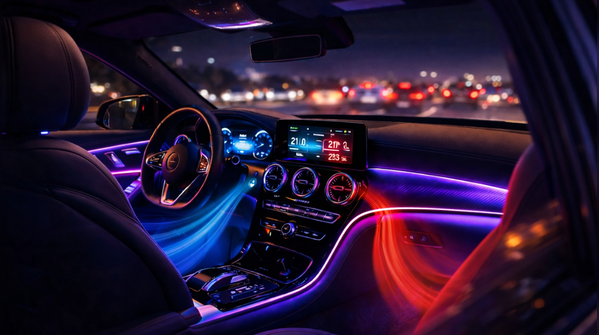
Multi-zone climate control for personalised comfort
Temperature preferences inside a car can vary wildly. One passenger may feel cold while another wants stronger cooling. Multi-zone climate control quietly solves this conflict by allowing different areas of the cabin to maintain separate temperature settings. In many luxury cars, both front passengers and sometimes rear passengers can choose their own climate preferences. The system works through multiple sensors and vents that distribute air precisely where it’s needed. On long drives, this subtle personalisation can make the cabin feel far more relaxing for everyone inside.
Acoustic glass that silences the outside world
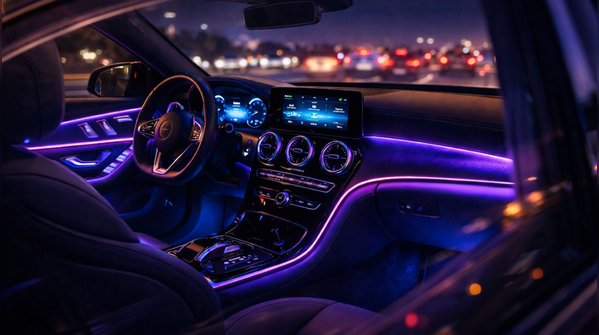
Luxury vehicles often feel unusually calm even on busy highways. One reason is acoustic glass. Unlike standard car windows, acoustic glass contains multiple laminated layers designed to absorb and block external noise. Traffic, wind, and tyre roar are significantly reduced before they even reach the cabin. The result is a driving environment that quietly favours conversation, music, and calm over the chaos of the road outside. It’s the kind of feature you only fully appreciate when stepping back into a regular car afterward.
Seat ventilation and massage functions
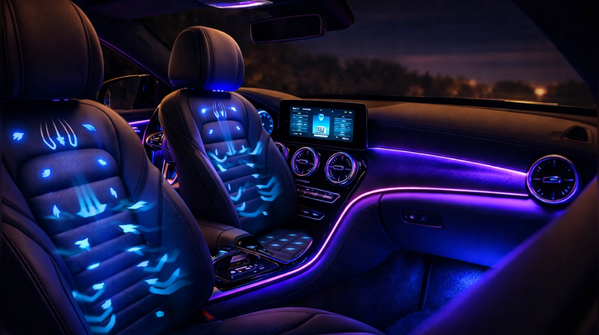
Long hours behind the wheel can quickly lead to stiffness and fatigue. Luxury cars address this with seats designed not just for support but for genuine relaxation. Ventilated seats circulate cool air through tiny perforations in the leather, preventing heat buildup during warm weather. At the same time, built-in massage programmes gently move internal cushions to stimulate muscles and improve circulation. On long highway journeys, this combination helps the body stay comfortable and alert, allowing the driver to analyse the road ahead with greater ease and less fatigue.
Ambient lighting that changes the mood
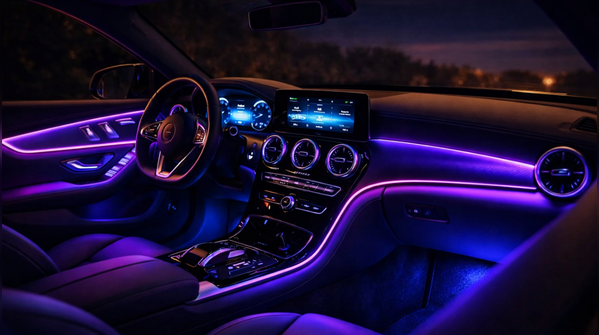
Lighting inside a luxury car isn’t just about visibility; it’s about atmosphere. Ambient lighting systems use subtle LED strips along the dashboard, doors, and footwells to create a gentle glow throughout the cabin. Many cars allow drivers to choose from dozens of colours and brightness levels. The effect is surprisingly calming, especially during night drives. Instead of a dark interior punctuated by harsh dashboard lights, the cabin feels softly illuminated and welcoming. It’s a small design element that transforms the emotional tone of the drive.
Featured In Auto

