
6 cars famous for their timeless design
6 cars famous for their timeless design
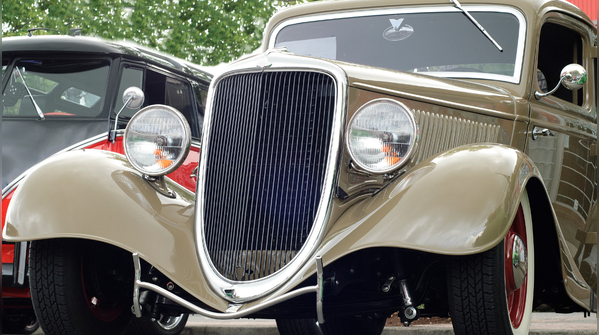
Certain cars do more than simply carry people from one destination to another. They evolve into cultural icons, admired not only for performance but for design that continues to captivate decades later. Their proportions feel balanced, their silhouettes instantly recognisable, and their character impossible to imitate. Long after trends fade, these vehicles still appear fresh, as though they belong to every era at once. Designers often return to them for inspiration, studying the harmony of their lines and the confidence of their forms. These are automobiles that seem almost untouched by time. Here are six cars widely celebrated for their timeless design.
Jaguar E-Type
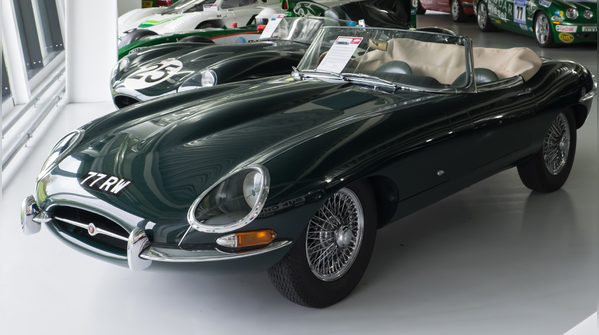
When the Jaguar E-Type debuted in 1961, it immediately stunned the automotive world. Even Enzo Ferrari reportedly called it “the most beautiful car ever made.” The E-Type’s design was defined by its impossibly long bonnet, slim waistline, and flowing curves that looked almost sculpted by wind itself. The proportions were so perfect that the car appeared fast even when parked. But the beauty of the E-Type wasn’t only aesthetic. Its design was rooted in aerodynamics and racing heritage, which gave it a purposeful elegance. More than sixty years later, the car still feels modern, a testament to how powerful clean, balanced design can be.
Porsche 911
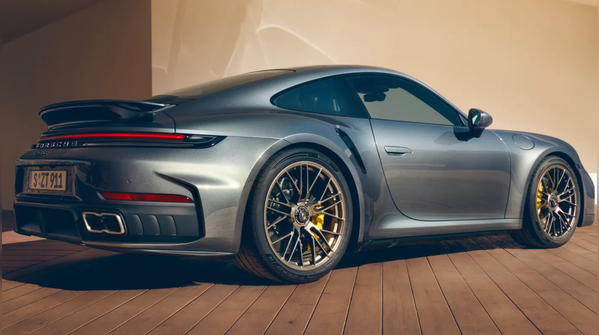
Few cars demonstrate design continuity like the Porsche 911. First introduced in 1964, its basic silhouette has remained instantly recognisable for more than half a century. The gently sloping roofline, rounded headlights, and muscular rear stance created a shape that felt both elegant and athletic. Over the decades, the car evolved technologically, but its design language stayed remarkably consistent. This restraint is exactly what makes the 911 timeless. Instead of chasing trends, its designers refined the same essential form again and again. The result is a car that bridges generations, equally at home in a vintage garage or a modern showroom.
Mercedes-Benz 300SL Gullwing
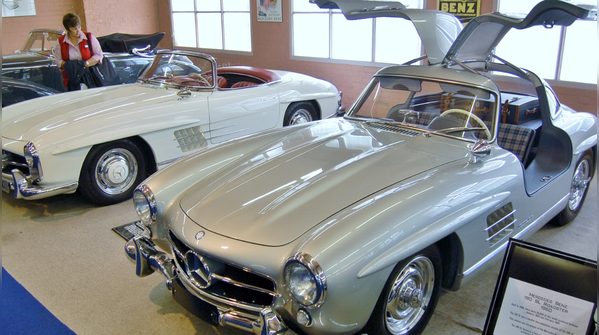
The Mercedes-Benz 300SL Gullwing is one of the most dramatic designs ever created. Its defining feature, the upward-opening gullwing doors, instantly turned the car into a spectacle. Yet the rest of its design was equally impressive: a sleek aerodynamic body, long bonnet, and low roofline that made it appear futuristic for its time.
Originally derived from racing technology, the 300SL combined engineering innovation with sculptural beauty. Even today, its design feels almost cinematic, as though it belongs to a world slightly ahead of its era. It is one of those rare cars that still stops people in their tracks.
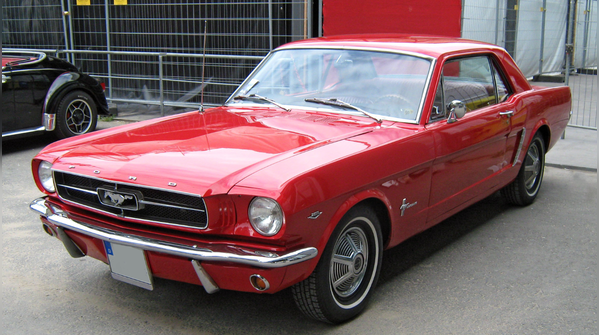
Ford Mustang (1965)
When the Ford Mustang arrived in 1964–65, it did more than launch a car; it launched an entire cultural phenomenon. The Mustang introduced the world to the “pony car” formula: a long hood, short rear deck, and aggressive stance that hinted at performance even in its simplest versions. Its design felt youthful, confident, and distinctly American. What makes the Mustang timeless is its emotional appeal. The styling communicates freedom and energy in a way few cars can. Even modern Mustangs still echo the original’s essential proportions, proving how powerful that initial design truly was.
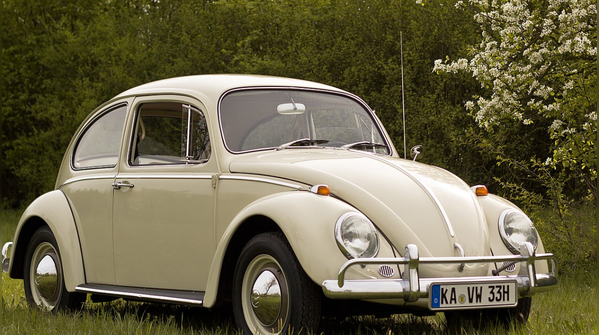
Volkswagen Beetle
Few vehicles are as universally recognisable as the Volkswagen Beetle. With its rounded roofline, curved fenders, and friendly face-like front end, the Beetle became an automotive icon across continents. Its design was simple and practical, yet surprisingly charming. Part of its timelessness comes from its personality. Unlike many cars that project aggression or luxury, the Beetle feels approachable and almost playful. It was designed for everyday life, and that sincerity helped it endure for generations. Even decades later, its shape remains instantly familiar, proof that simplicity often ages best.
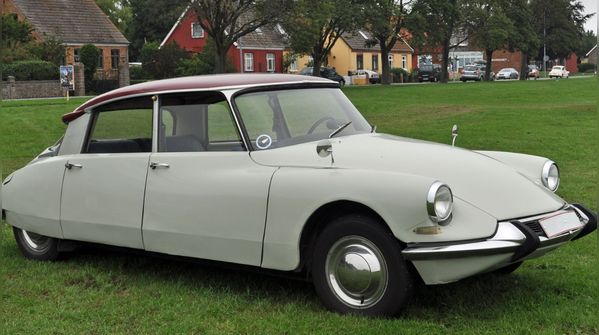
Citroën DS
When the Citroën DS debuted at the Paris Motor Show in 1955, it looked like something from the future. Its streamlined body, covered rear wheels, and flowing silhouette broke dramatically from the boxy cars of its era. The DS appeared almost aerodynamic enough to glide through the air. Beyond aesthetics, it introduced groundbreaking technology such as hydropneumatic suspension and advanced braking systems. But its visual identity is what cemented its legend. The DS remains a masterpiece of automotive design, elegant, unconventional, and unmistakably French.
Featured In Auto

