
Trending
Volvo drops 2030 all-electric vehicle plan amid market slowdown and trade tariffs: New targets and market realities
Volvo has altered its strategy, stepping back from its target of exclusively manufacturing electric vehicles by 2030. The company now plans to produce a combination of electric and hybrid cars due to changing market dynamics, such as reduced EV demand and new trade tariffs on Chinese-made EVs, reflecting industry-wide adjustments.
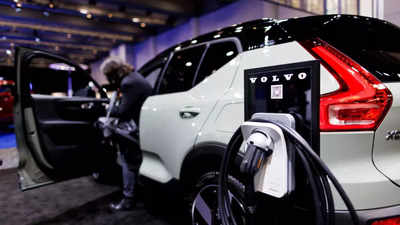
Image source: Reuters
Volvo has announced a significant shift in its strategy, abandoning its ambitious goal to exclusively produce electric vehicles (EVs) by 2030. The Swedish car manufacturer now anticipates offering a mix of electric and hybrid vehicles by that time. This decision marks a departure from the target Volvo set just three years ago.
The company cites evolving market conditions as the primary reason for revising its plans.
The shift in Volvo’s strategy reflects broader challenges within the EV market. Factors such as slow progress in charging infrastructure development, the reduction of consumer incentives, and the higher cost of electric vehicles have all contributed to consumer hesitation.
Volvo, which is majority-owned by Chinese car giant Geely, faces additional challenges due to tariffs on Chinese-made EVs in Europe and North America. Last week, Canada imposed a 100% tariff on imports of Chinese-made electric vehicles, following similar moves by the US and EU. Western countries argue that China’s subsidies to its EV industry create an unfair competitive advantage, a claim that China disputes and criticises as discriminatory.
Volvo’s decision mirrors trends in the industry, with other major car manufacturers also scaling back their EV ambitions. Ford recently shelved plans for a large all-electric SUV and delayed the launch of its next electric pick-up truck. General Motors has similarly reduced its EV production targets over the past year.
Also Read | Aston Martin reveals Vanquish with V-12 engine: Setting new standards in price, power, and prestige
Volvo adjusts EV strategy amidst market slowdown and trade tariffs
The company cites evolving market conditions as the primary reason for revising its plans.
The global automotive industry is experiencing a slowdown in EV demand in key markets, coupled with uncertainty due to new trade tariffs on Chinese-made EVs. Volvo’s adjustment aligns with similar moves by other major automakers like General Motors and Ford, who have also moderated their electric vehicle goals.
Volvo new targets and market realities
Volvo now aims for at least 90% of its production to consist of fully electric cars and plug-in hybrids by 2030. Additionally, the company may introduce a limited number of mild hybrids, which combine conventional engines with some electric assistance.
Volvo: Challenges in the EV market
The shift in Volvo’s strategy reflects broader challenges within the EV market. Factors such as slow progress in charging infrastructure development, the reduction of consumer incentives, and the higher cost of electric vehicles have all contributed to consumer hesitation.
Impact of tariffs and global market trends
Volvo, which is majority-owned by Chinese car giant Geely, faces additional challenges due to tariffs on Chinese-made EVs in Europe and North America. Last week, Canada imposed a 100% tariff on imports of Chinese-made electric vehicles, following similar moves by the US and EU. Western countries argue that China’s subsidies to its EV industry create an unfair competitive advantage, a claim that China disputes and criticises as discriminatory.
Industry-wide adjustments
Volvo’s decision mirrors trends in the industry, with other major car manufacturers also scaling back their EV ambitions. Ford recently shelved plans for a large all-electric SUV and delayed the launch of its next electric pick-up truck. General Motors has similarly reduced its EV production targets over the past year.
Also Read | Aston Martin reveals Vanquish with V-12 engine: Setting new standards in price, power, and prestige
End of Article
FOLLOW US ON SOCIAL MEDIA
Visual Stories

Hot Picks
TOP TRENDING
Trending Stories
In Auto
Entire Website
- MG Comet at Rs 4.99 lakh, ZS EV for 13.99 lakh only with BaaS: Details
- Ultraviolette F99 unveiled, eyes highest top-speed: 0-100 kmph in 3 seconds!
- Gentari targets 10,000 EVs by 2025; opportunities and challenges ahead
- Hug 'on the go' costs Delhi couple Rs 11,000 as woman rides on motorcycle's fuel tank
- Royal Enfield Bullet 'Battalion Black' launched at Rs 1.75 lakh: What's new
- Next-gen EV platforms harness new opportunities to optimize the product and business case
- Cancer by car? NGT asks govt, BIS and more to clarify
- Tata Curvv petrol, diesel variant-wise features with price explained
- BMW X7 Signature Edition launched at Rs 1.33 crore: Design, features, engine and more
- Customers’ choice can create a zero accident ‘Viksit’ India
- 'Militants trained in use of drones': Manipur flags ‘intel’ on influx of 900 tribal rebels
- PM Modi on 3-day US visit for Quad summit: Key agenda, full schedule
- Sri Lanka is not voting for a new president. It's voting for...
- Jharkhand bans mobile internet across state to prevent cheating in exam
- 1st Test Live: All eyes on Gill as India target mammoth lead
- Why B'desh batter Shakib has a band between his teeth while batting
- Netanyahu and Nasrallah face a dilemma as conflict escalates
- EY employee's death: Anna Sebastian's father appeals to the company
- Who are the key candidates in Sri Lanka's Presidential elections?
- Atishi to be sworn in as Delhi CM at Raj Niwas today

Popular Categories
Hot on the Web
Top Trends
IND vs BAN Live ScoreRohit SharmaVirat KohliRishabh PantGurgaon Bike AccidentTirupati Laddu RowIsraeli Strikes on HezbollahOdisha Bharatpur Police Station NewsRhea RipleyIsrael Hezbollah WarIND vs BAN Highlights Days 2Kerala Lottery ResultTirupati PrasadamEY Pune EmployeeSean DiddySandip GhoshLive Cricket Score
Trending Topics
Stree 2 CollectionRuksana BanoAbdu RozikYudhra ReviewJayamSana Khan HusbandTirupati Laddoo ControversyGOAT CollectionVaazha OTT ReviewKozhipannai Chelladurai ReviewCheetahsKangana RanautAditi Rao HydariDalljiet KaurHoliday DestinationVikas SethiBest Selling Earbuds Under 1000Apple iPhone 16 ProVirat KohliWordle Answer
Living and entertainment
Latest News
Stuck in Lebanon for 23 years, Punjab man back homeVivek Ramaswamy hints at Ohio governor run at his Springfield town hallYudhra box office collection day 1: Siddhant Chaturvedi and Malvika Mohanan starrer opens with Rs 4.50 croreBigg Boss fame Sana Khan on her photos wearing Abayas going viral during her Maldives vacation; says 'people think you can only wear swimwear...'Top most expensive athlete divorces: From Michael Jordan to Tiger WoodsGovt caps late fee at Rs 1k for vehicle fitness certificateSalman Khan will NOT make a cameo in Rohit Shetty’s 'Singham Again'; fans say 'disappointed'Not taking EY to court, says dead CA's fatherKarnataka HC asks couple to seek spiritual guru's help to save marriageBombay HC strikes down Centre's fact check unitU Mumba team gears up for Pro Kabaddi League Season 11 with 40-day intensive training campLibra, Daily Horoscope Today, September 21, 2024: Focus on a balanced diet and exercise to maintain well-beingRicky Ponting reveals reason behind split with Delhi CapitalsRohit Sharma gets angry at team-mate: 'Soye hue hain sab log'Women turnout exceeds that of men in six J&K seats in Phase-1Kate Middleton uses this parenting strategy to keep her kids disciplinedTamil Nadu: 72 spas, massage centres offering sex services shut down in CoimbatoreVantika Agrawal's victory helps India draw against USA at the Chess Olympiad
Copyright © 2024 Bennett, Coleman & Co. Ltd. All rights reserved. For reprint rights: Times Syndication Service